As environmental performance and hazardous waste management become increasingly important considerations in gold analysis, understanding the operational impacts of different assay technologies is critical.
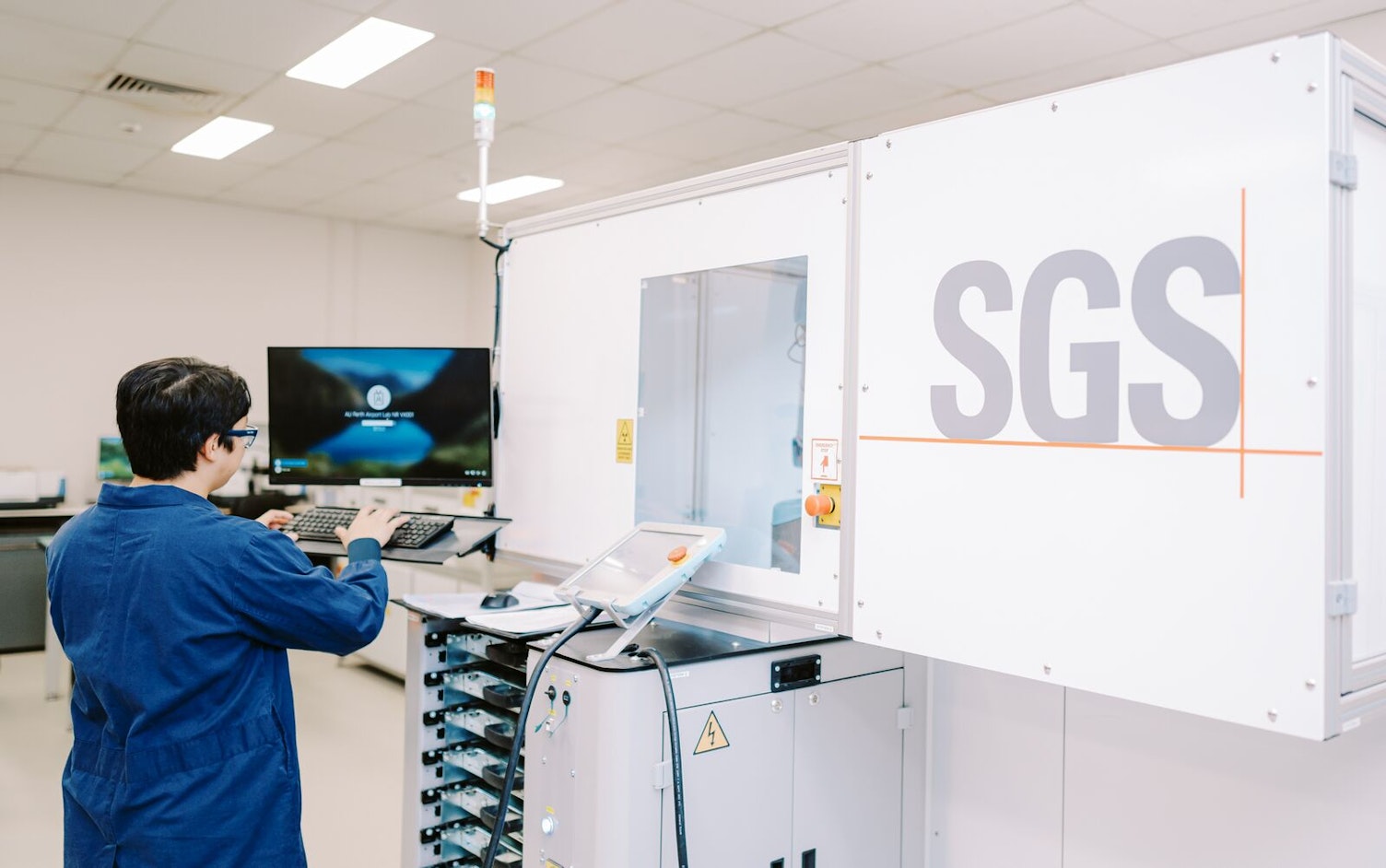
This white paper presents the findings of an independent emissions, energy and waste assessment comparing PhotonAssay™ and traditional fire assay for gold analysis. The assessment was commissioned by Chrysos and prepared by GHD, using operational data generated from PhotonAssay and fire assay workflows at SGS’s laboratory in Kalgoorlie.
The study evaluates energy consumption, greenhouse gas emissions and waste generation associated with routine analytical processes, providing an evidence-based comparison to support informed decision-making across the mining value chain.

What you’ll find in this white paper
- Energy and emissions comparisonUnderstand how PhotonAssay and fire assay compare in terms of energy consumption and associated greenhouse gas emissions under routine operating conditions, based on measured laboratory data.
- Waste generation and hazardous materialsExplore differences in waste streams generated by each method, including the presence or absence of hazardous lead waste and the implications for handling, disposal and HSE management.
- Process-driven performance differencesGain insight into how fundamental differences in assay process design influence energy use, emissions and waste outcomes, including the role of combustion-based steps, fluxes and reagents.
- Independent assessment methodologyReview the scope, boundaries and assumptions applied in the assessment, including how data was collected and normalized to enable a like-for-like comparison between assay techniques.
Why this matters
Gold producers and laboratories are under increasing pressure to reduce emissions, manage hazardous materials responsibly and improve transparency around operational impacts.
This independent assessment provides a factual basis for understanding how assay selection can influence energy use, emissions and waste outcomes, without compromising analytical performance. It supports technical, operational and sustainability teams seeking credible data to inform assay strategy and reporting discussions.