Microplastics are plastic particles ranging from 1 micrometer to 5 micrometers that appear in products, packaging, air, soil and water. They can enter drinking water, food and supply chains, raising concerns about human health, environmental impact and regulatory compliance. Many businesses now require microplastic analysis in water, food and consumer products to meet international expectations and reduce risk.
Microplastics are a growing environmental and regulatory concern, impacting industries from consumer goods and pharmaceuticals to agriculture and construction. These particles have infiltrated water sources, drinking water, food and supply chains, leading to increased scrutiny from regulators, consumers and stakeholders. Businesses that fail to address microplastic contamination risk compliance issues, reputational damage and lost market opportunities.
From land to sea, our microplastics testing services provide ISO 24187-compliant analysis, ensuring precise detection, characterization and quantification of microplastics across the entire product lifecycle. Using a wide range of testing methods, we offer detailed insights to help businesses meet regulatory requirements, protect brand integrity and drive innovation.
Discover the benefits of our microplastics testing services
- Ensure product safety and complianceDetect and quantify particles as small as 1 µm, ensuring compliance with ISO 24187 and evolving international regulations.
- Build consumer trust and strengthen your brandDemonstrate transparency and commitment to sustainability through rigorous, science-backed microplastic analysis.
- Drive innovation and market leadershipGain deep insights into microplastic presence to improve processes and develop more sustainable products.
- Access expert scientific supportLeverage our team’s expertise to implement effective microplastic mitigation strategies, and enhance sustainability and business integrity.
- Expand into global markets with confidenceEnsure your products meet the latest international microplastic testing standards, helping you enter and remain competitive in highly regulated markets.
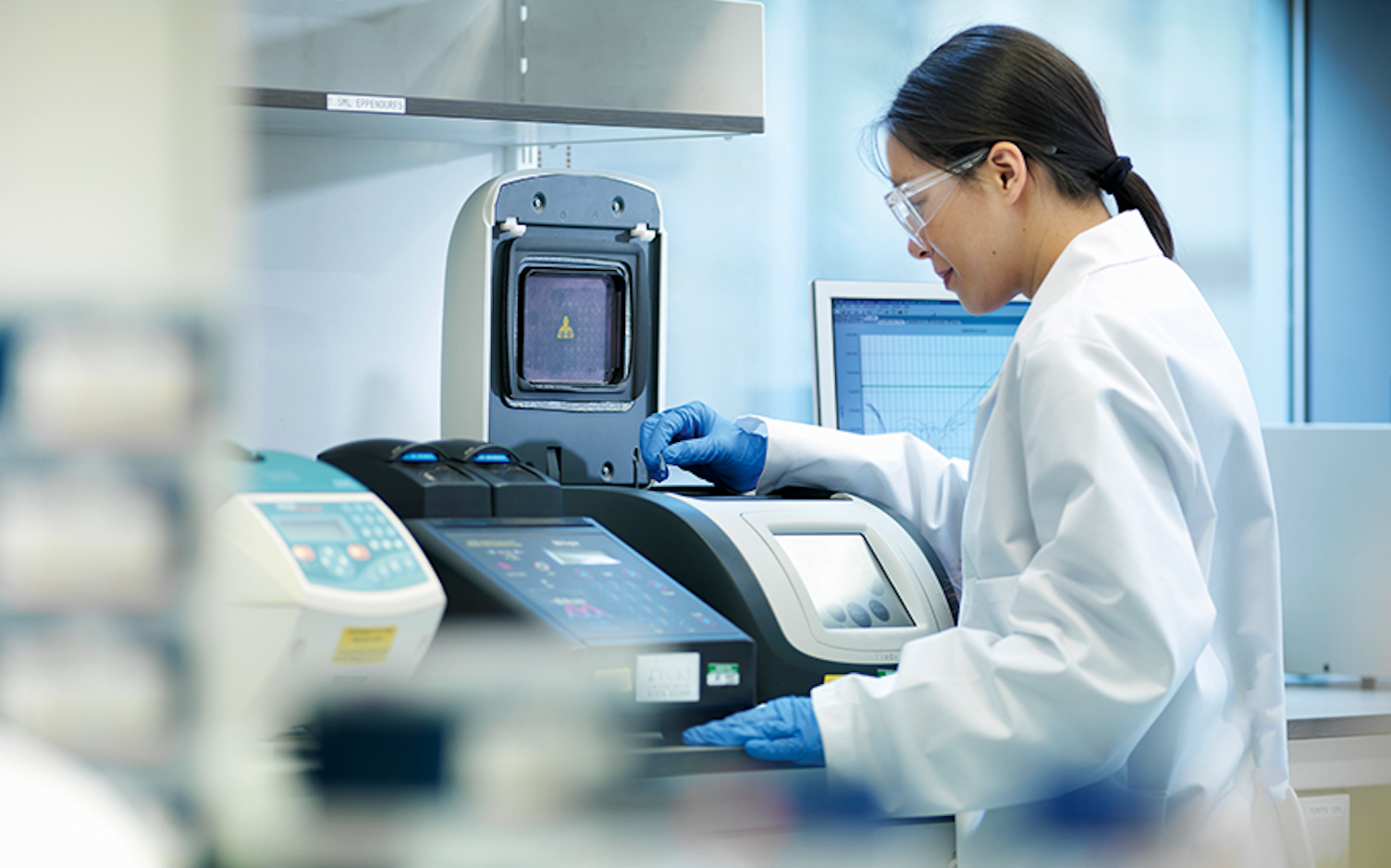
Where we detect microplastics
Microplastics affect a wide range of sectors, including food and beverage, cosmetics, pharmaceuticals, textiles, packaging, wastewater, agriculture, marine, automotive and construction. To strengthen sustainability claims and assess environmental risk, we can detect microplastics in:
- Drinking water and surface water
- Soil, sludge and sediment
- Packaging materials and food contact surfaces
- Marine and riverine debris
- Industrial effluents and wastewater streams
- Cosmetics and personal care products
- Textile wastewater
Introducing our centers of excellence
Our testing capability is supported by centers of excellence in Bulgaria and Singapore, which serve as global reference hubs for environmental microplastics testing. As the most advanced facilities in our network, Varna (Bulgaria) and Singapore specialize in the detection of microplastics in soil, sludge, water, biota and waste matrices, using high-precision polymer identification technologies.
Capable of identifying polymers such as PE, PVC, polyurethane and polyester, these laboratories delivers detailed analysis aligned with EU, EPA and IMO requirements. Our specialists also provide expert guidance on sample preparation, shipping and sustainability risk mitigation, helping you achieve accurate results and stronger environmental performance.
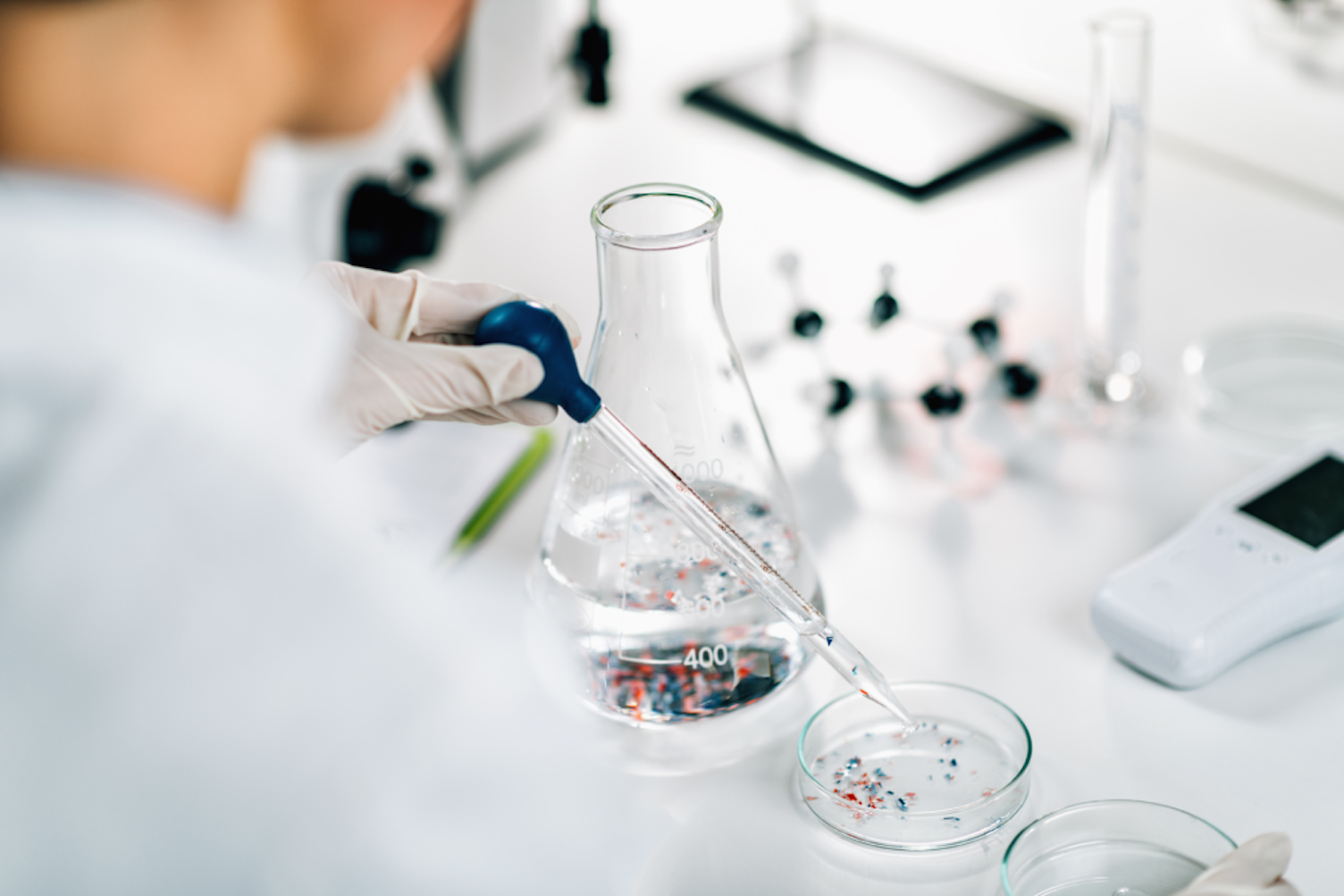

Why choose SGS for microplastics testing?
As the world’s leading testing, inspection and certification company, we provide unparalleled expertise in sustainability testing and regulatory compliance.
Our global network of laboratories offers a broad range of testing methods, including state-of-the-art quantum cascade laser mid-infrared spectroscopy technology, FTIR-microscopy and pyr-GCMS, ensuring highly accurate detection and characterization of both fresh and weathered microplastics. We also provide microplastic analysis in water and other matrices to help you meet regulatory standards.
Our laboratories implement international standards, such as the ISO 24187-compliant methodology to deliver actionable insights that go beyond mere detection – helping businesses adapt, comply and lead in their industry.
Whether you operate in cosmetics, food and beverage, automotive, agriculture, pharmaceuticals, or water and waste management, our global expertise ensures you receive the highest standard of analytical support.
FAQs
We use International Standards, such as ISO 24187, to detect microplastics in water, including filtration, chemical digestion, microscopy, FTIR and advanced spectroscopy. These methods allow us to test water for microplastics and accurately identify particle size, type, color and polymer characteristics.
We test water (drinking, surface, groundwater and wastewater), biota, packaging materials, soil, sludge, consumer goods and industrial process streams. We also offer microplastic analysis in drinking water for consumer safety and supply chain monitoring.
Yes, we support compliance EPA methodologies, EU directives, emerging national regulations and embrace new international standard as they develop. We provide regulatory-ready data packages to help you demonstrate conformity in inspections, audits and market access processes.
Microplastics affect sectors including food and beverage, cosmetics, pharmaceuticals, textiles, packaging, wastewater, agriculture, environmental management, automotive and construction. Many industries now perform routine microplastic testing to strengthen sustainability claims and assess environmental risk.