When we think about food safety, most of us picture hygiene protocols, labeling compliance, or inspection checklists. But beneath the surface of every food business lies something equally vital culture. The invisible habits, attitudes, and shared values that shape how people behave when no one is watching. In today’s dynamic food industry, where risks can come from both outside and inside the organization, fostering a strong food defense and safety culture is no longer optional. It’s essential.
Food defense focuses on protecting the food supply from intentional contamination, whether caused by sabotage, economic gain, or malicious intent. Safety culture, on the other hand, is about embedding awareness, responsibility, and consistency in everyday behavior across the workforce. When combined, these two elements form a powerful line of defense, one that goes beyond systems and certifications to shape the mindset of the people behind them.
In Indonesia’s fast-growing food sector, where operations span from small-scale kitchens to international manufacturers, the importance of an integrated approach to food defense and culture is becoming increasingly clear. With rising supply chain complexity and increased public scrutiny, the ability to maintain quality and trust starts not in the lab or warehouse, but in the company culture.
Food defense is often mistakenly viewed as a technical function, an assessment of locks, cameras, and controlled access. While physical security is important, true defense comes from having employees who are aware of potential risks, empowered to speak up, and aligned with the organization’s commitment to integrity. This is where training becomes crucial.
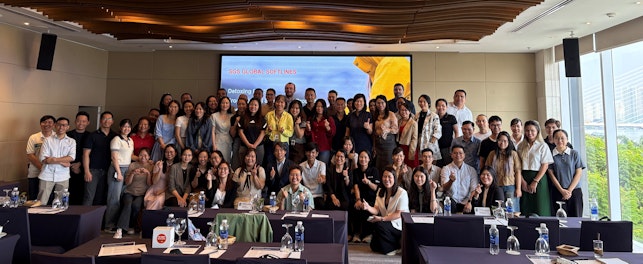
A well-designed Food Defense and Safety Culture Training program builds that foundation. It equips teams with the knowledge to recognize vulnerabilities, not just in products or processes, but in behaviors, decisions, and communication. It aligns leadership with frontline staff and helps organizations move from reactive to proactive risk management.
Moreover, cultivating a safety culture has direct benefits on business operations. Companies with strong cultures tend to experience fewer incidents, smoother audits, better staff retention, and higher customer satisfaction. It also strengthens team morale, because people are more likely to follow standards when they understand their purpose and feel personally responsible for upholding them.
In practical terms, fostering this culture means creating an environment where:
- Teams communicate openly about risks without fear
- Employees understand how their actions impact product safety
- Leadership consistently reinforces safety expectations
- Everyone—from procurement to packaging—feels part of a shared mission
Why food businesses are investing in Food Defense and Safety Culture Training:
- To strengthen internal awareness of intentional and unintentional risks
- To align all departments around a shared safety mindset
- To reduce turnover and enhance accountability
- To meet growing customer and regulatory expectations
- To build resilience in a highly competitive and transparent industry
Training is more than information transfer, it’s about mindset transformation. When teams are trained with real-world examples, collaborative discussions, and scenario-based thinking, the impact goes beyond compliance. It becomes part of daily operations and decision-making.
As Indonesia’s food industry continues to expand, companies that commit to strong food defense and a positive safety culture will stand out—not just in certifications, but in customer loyalty, operational stability, and long-term sustainability.
About SGS
SGS is the world’s leading Testing, Inspection and Certification company. We operate a network of over 2,500 laboratories and business facilities across 115 countries, supported by a team of 99,500 dedicated professionals. With over 145 years of service excellence, we combine the precision and accuracy that define Swiss companies to help organizations achieve the highest standards of quality, compliance and sustainability.
Our brand promise – when you need to be sure – underscores our commitment to trust, integrity and reliability, enabling businesses to thrive with confidence. We proudly deliver our expert services through the SGS name and trusted specialized brands, including Brightsight, Bluesign, Maine Pointe and Nutrasource.
SGS is publicly traded on the SIX Swiss Exchange under the ticker symbol SGSN (ISIN CH1256740924, Reuters SGSN.S, Bloomberg SGSN:SW).



The Garden Center, Kawasan Komersial Cilandak (KKC), Jl. Raya Cilandak KKO,
12560,
South Jakarta, Special Capital Region of Jakarta, Indonesia