
It is the latest update to the FSSC 22000 certification scheme, published in May 2026, with a stronger focus on sustainability, risk integration, and updated PRP requirements.
SGS Thailand BlogJune 15, 2026
FSSC 22000 Version 7 is the latest update to the global food safety certification scheme, published in May 2026. It introduces key changes including the adoption of ISO 22002-x:2025, stronger integration of sustainability, food safety culture, and supply chain risk, shifting the focus from audit compliance to overall market readiness
What Is FSSC 22000 Version 7?
FSSC 22000 Version 7 is the latest update to the global food safety certification scheme, published in May 2026. It introduces stronger integration between food safety, sustainability, and supply chain risk, reflecting evolving market expectations.
Learn more from the official FSSC 22000 Version 7 documents
Why Version 7 Matters
Version 7 was driven by three major factors:
- Adoption of ISO 22002-x:2025 PRPs framework
- Alignment with GFSI Benchmarking Requirements 2024
- Increased focus on sustainability and SDGs
This marks a shift from compliance-focused systems to integrated risk-based thinking.
The New Foundation: ISO 22002-100:2025
At the core of Version 7 is the introduction of ISO 22002-100:2025 as a common PRPs baseline, applied across the food supply chain and complemented by sector-specific standards.
Explore the standard on the official ISO website
Key Transformation Areas
Version 7 integrates multiple dimensions into one system:
- Food Safety & PRPs
- Food Fraud & Food Defense
- Packaging & Supply Chain
- Food Loss & Waste
Risk is no longer siloed—it must be managed holistically.
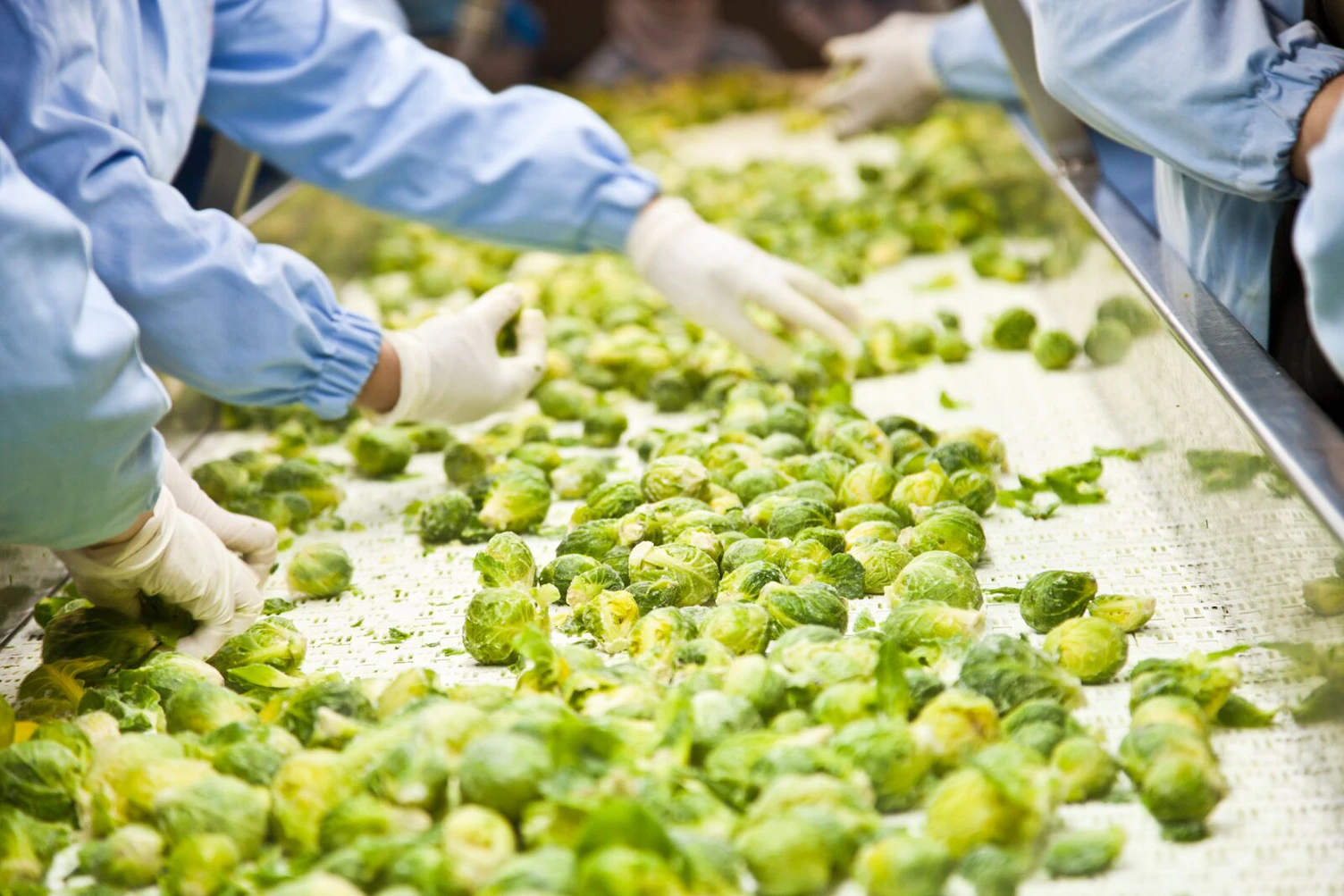
Food Safety Culture: From Statements to Evidence
Organizations are now required to demonstrate culture through:
- Decision-making
- Employee behavior
- Leadership engagement
- Response to incidents
The focus shifts from documentation to real operational behavior.
Sustainability Is Now Built-In
Version 7 embeds sustainability into operations:
- Food loss and waste reduction
- Sustainable packaging principles
- Resource efficiency
Waste = Risk → Risk = Cost
FAQs
The main changes include ISO 22002-x:2025 adoption, ISO 22002-100 baseline PRPs, improved food safety culture requirements, and stronger sustainability integration
Start with a gap assessment, review PRPs, strengthen food safety culture evidence, and update sustainability-related processes before transition audits.
About SGS
SGS is the world’s leading Testing, Inspection and Certification company. We operate a network of over 2,500 laboratories and business facilities across 115 countries, supported by a team of over 100,000 dedicated professionals. With more than 145 years of service excellence, we combine the precision and accuracy that define Swiss companies to help organizations achieve the highest standards of quality, compliance and sustainability.
Our brand promise – when you need to be sure – underscores our commitment to trust, integrity and reliability, enabling businesses to thrive with confidence. We proudly deliver our expert services through the SGS name and a portfolio of trusted specialized brands, including Applied Technical Services, Brightsight, Bluesign and Nutrasource.
SGS is publicly traded on the SIX Swiss Exchange under the ticker symbol SGSN (ISIN CH1256740924, Reuters SGSN.S, Bloomberg SGSN SW).



238 TRR Tower, 19th-21st Floor, Naradhiwas Rajanagarindra Road,
Chong Nonsi, Yannawa, 10120,
Bangkok, Thailand