
Contact

What are you looking for?

Why is ISO 14971 important? The reason the FDA mandates risk assessment for medical devices

SGS Thailand BlogSeptember 07, 2026

ISO 14971 is the internationally recognized standard for medical device risk management, providing a systematic framework for identifying, evaluating, controlling, and monitoring risks throughout the entire product lifecycle. The standard helps manufacturers ensure product safety and demonstrate compliance with regulatory requirements issued by authorities such as the US FDA, European MDR, and Thai FDA.

Today, risk assessment in accordance with ISO 14971 is a critical part of medical device compliance and market approval in many countries. It supports the development of a Risk Management File and enables manufacturers to reduce potential harm to patients, healthcare professionals, and users while improving product safety and performance. In this article, we explain what ISO 14971 is, why it is essential for medical device manufacturers, the key steps of the risk management process, and how it supports the implementation of ISO 13485 quality management systems.

What is ISO 14971?

ISO 14971 is the international standard for risk management for medical devices. It serves as a guideline and operational framework that medical device manufacturers must follow to identify hazards, assess and control risks, and monitor the safety of medical devices throughout their entire product lifecycle since design, use, transportation and disposal.

Why is ISO 14971 important for medical device manufacturers?


  • To ensure compliance with regulations or legal which may be legally mandatory in both domestic and international markets from global public health regulatory bodies (such as the US FDA, the European CE Mark, and the Thai FDA) require the application of the ISO 14971 standard. This includes the compilation of a Risk Management File, a critical component in the approval and licensing process for placing medical devices on the market.
  • Ensure that medical devices can assist in treating patients safely and effectively, without posing unacceptable risks to patients, medical professionals, or users
Doctors performing surgery in hospital operating room

Key steps in risk management according to ISO 14971

The ISO 14971 standard involves the application of the risk management process, which consists of the following key steps:

  1. Risk Analysis

    The risk analysis process involves evaluating the intended use of the medical device and the parties involved, as well as identifying potential occurrences of harm, sources of harm (hazards), and hazardous situations. Examples; patient allergic reactions or irritation, patient infection, electric shock, and software malfunctions.

  2. Risk Evaluation

    The risk evaluation process involves determining methods to assess and analyze identified hazards which considering both the likelihood of occurrence and the severity of consequences to decide whether the risk level is acceptable.

  3. Risk Control

    The risk control process begins after obtaining the results of the risk assessment and analysis. If the risk level is found to be excessively high, measures must be taken to reduce it such as redesigning the product to enhance safety, installing warning systems, or including detailed warnings in the product manual.

  4. Overall Residual Risk Evaluation

    As part of the overall residual risk evaluation process, following risk reduction measures, an overall assessment of the product must be conducted to verify that the benefits outweigh the residual risks (Benefit-Risk Analysis). If the overall residual risk is found to be unacceptable, the manufacturer may need to implement additional risk control measures.

  5. Verification and monitoring

    Verification and monitoring process (Production and Post-Production Information): Once the product has been manufactured and placed on the market, user feedback must be collected to facilitate the continuous improvement of the medical device's safety.

The relationship between ISO 13485 and ISO 14971

ISO 14971 is a crucial component of the ISO 13485 standard. While ISO 13485 provides an overview of the quality management system for medical devices, covering aspects such as manufacturing, servicing, installation, and distribution as of ISO 14971 focuses specifically on safety. It mandates the implementation of risk management processes at every stage of the medical device lifecycle, design and manufacturing to after-sales service

FAQs

This is not required, as the primary responsibility for establishing the ISO 14971 standard system lies with the medical device manufacturer. Due to the entity responsible for design, material selection, production, testing, and overall manufacturing process control. However, the responsibilities of an importer acting as a distributor are as follows:

  • Importers must obtain documentation from the original manufacturer confirming that the product has undergone a risk assessment in accordance with ISO 14971 standards such as a Risk Management Report or a section of the Technical File for use in the registration or licensing application process with the Thai FDA.
  • Regarding post-market surveillance, if issues arise with imported medical devices such as instances of patient injury or defects encountered during use that the importer is responsible for gathering this information and forwarding it to the manufacturer. The manufacturer must then use this data to review and re-analyze risks in accordance with ISO 14971.
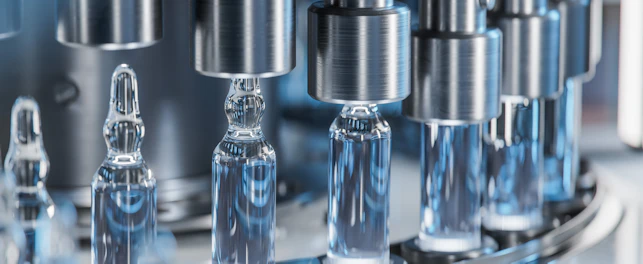

Many regulatory authorities, including FDA, CE Mark, and Thai FDA frameworks, reference ISO 14971 principles as part of medical device safety and compliance requirements.

About SGS

SGS is the world’s leading Testing, Inspection and Certification company. We operate a network of over 2,500 laboratories and business facilities across 115 countries, supported by a team of over 100,000 dedicated professionals. With more than 145 years of service excellence, we combine the precision and accuracy that define Swiss companies to help organizations achieve the highest standards of quality, compliance and sustainability.

Our brand promise – when you need to be sure – underscores our commitment to trust, integrity and reliability, enabling businesses to thrive with confidence. We proudly deliver our expert services through the SGS name and a portfolio of trusted specialized brands, including Applied Technical Services, Brightsight, Bluesign and Nutrasource.

SGS is publicly traded on the SIX Swiss Exchange under the ticker symbol SGSN (ISIN CH1256740924, Reuters SGSN.S, Bloomberg SGSN SW).

News & Insights

  • SGS - Thailand - Bangkok, Head Office

238 TRR Tower, 19th-21st Floor, Naradhiwas Rajanagarindra Road,

Chong Nonsi, Yannawa, 10120,

Bangkok, Thailand