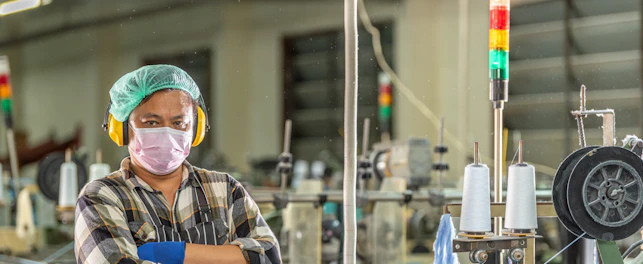
As apparel, footwear and textile brands accelerate the adoption of recycled, biobased, durable, low-impact and next-generation materials, the challenge is no longer simply finding alternatives to conventional materials. Brands must now determine whether new materials are suitable for their products, deliver the intended performance, comply with regulatory requirements and support sustainability objectives.
Material evaluation
Consumer demand for sustainable products continues to drive material innovation across the textile and footwear industries. At the same time, evolving regulations and sustainability commitments are reshaping how brands select and manage materials.
The EU Ecodesign for Sustainable Products Regulation (ESPR, Regulation (EU) 2024/1781) introduces requirements aimed at improving product durability, reusability, repairability, resource efficiency and recycled content while supporting circularity. Other initiatives, including Digital Product Passports (DPPs) and per- and polyfluoroalkyl substances (PFAS) restrictions, are also increasing expectations for transparency and the substantiation of product-related claims.
Therefore, selecting innovative materials has become an integral part of many product development strategies. However, product claims can only be trusted when they are substantiated by credible evidence, and innovative materials must demonstrate their ability to deliver the required quality, performance and compliance.
When introducing an alternative material, brands often face key questions:
- Are sustainability claims supported by credible evidence?
- Does the material meet performance requirements?
- Does the material comply with applicable regulations and brand requirements?
- How can risks associated with new materials be effectively managed?
- Can suppliers consistently deliver the required quality?
To balance performance, sustainability and commercial viability, brands are increasingly adopting structured material evaluation programs.
Building a comprehensive material evaluation program
Every brand has unique product requirements, risk tolerance and sustainability goals. To meet these objectives, a material evaluation program must be established to determine whether a material is suitable for commercialization. Successful evaluation goes beyond laboratory testing and considers material performance, supplier capabilities, sustainability attributes and broader business objectives.
A material evaluation framework should define evaluation criteria, performance expectations, restricted substances list (RSL) requirements, risk assessment methodologies, supplier qualification criteria and stage-gate approval processes.
A robust program typically includes:
- Material testing matrix development: testing provides objective data to determine whether a material is fit for its intended application and meets design, performance, quality and compliance requirements
- Documentation collection and technical review: may cover technical specifications, material certificates, sustainability documentation, traceability records and manufacturing information to identify potential gaps and risks before commercialization
- Supplier capability assessment: on-site assessments help evaluate quality management systems, chemical management practices, production controls, traceability processes and overall operational capability
SGS solutions
We support brands throughout the material evaluation journey with an integrated portfolio of testing, verification, certification and technical services.
Our support includes:
- Material evaluation strategies and guidelines
- Material testing and assessment
- Documentation review
- On-site verification of operations and manufacturing processes
- Technical training to build internal capabilities
- SGS Performance Mark
By combining material evaluation frameworks, laboratory testing, supplier assessments and documentation review, we help brands make informed material decisions and accelerate innovation with confidence. The SGS Performance Mark enables brands to communicate verified product performance with greater transparency and confidence.
From concept to commercialization, our solutions support clients globally with the expertise and independent assurance needed to transform material innovation into trusted, market-ready products.
Enjoyed this article?
Find more news and updates in our Consumer Compact newsletter >
Delivered direct to your inbox
© SGS Société Générale de Surveillance SA.