Demand for clothing tailored to the needs of the elderly is soaring in response to an aging global population. However, understanding their unique requirements – including safety, comfort, dignity and style – is essential for businesses aiming to thrive in this dynamic yet underserved market.
According to the United Nations, there were approximately 962 million people aged 60 and above in 2017, with a large share of this demographic concentrated in Europe and Japan.1 The World Health Organization (WHO) estimates that this figure grew to 1.1 billion in 2023 and is projected to reach 1.4 billion by 2030, with the fastest growth expected in developing regions.2
As the global population skews older, it is creating a rapidly expanding consumer base and substantial opportunities for garment manufacturers. Reflecting this trend, the global clothing market for seniors, valued at USD 11.80 billion in 2023, is projected to reach USD 44.70 billion by 2032, growing at a CAGR of 15.95% between 2024 to 2032.3
Market drivers
Seniors are increasingly drawn to clothing that seamlessly blends style and functionality, moving away from outdated, purely utilitarian designs. A 2024 survey revealed that 72% of seniors favor garments that support active lifestyles while maintaining a youthful, dignified look.4
Innovations in textile technology enable manufacturers to produce clothing with superior comfort, performance and protective features. Effective designs incorporate functional elements tailored to mobility, dexterity and specific health needs, alongside customizable options and sustainable benefits, all while maintaining modern, stylish aesthetics that boost confidence and self-esteem.
Prioritizing safety
Safety is a critical element when creating garments for the elderly. Key considerations include:
- Safe and durable materials: use non-toxic, hypoallergenic and breathable fabrics to prevent skin irritation and provide easy care. Materials should withstand frequent washing and allow unrestricted movement, while preventing entanglement
- Accessible fasteners: replace traditional buttons, zippers and hooks, which can be hazardous for seniors with limited dexterity, with safer options like snaps, magnets or Velcro to reduce injury risks and enhance ease of use
- Specialized safety features: flame-resistant fabrics are essential for sleepwear to protect mobility-limited seniors during rest. High-visibility components, such as reflective strips for outdoor clothing, should be used to improve visibility to motorists. For footwear, slip-resistant soles are advised to prevent skidding and falls
Balancing comfort and functionality
Clothing must support daily activities while combining practicality with style to enhance confidence. Features to consider include:
- Comfort and adjustability: use soft, lightweight and stretchable fabrics to accommodate changes in body shape. Adjustable closures, such as hook and loop fastener, provide a customized fit for maximum comfort and support
- Functionality and style: garments should be practical, durable and stylish while enhancing self-esteem. For example, outdoor-oriented seniors, like fishing enthusiasts, require UV-protective, waterproof and breathable materials to shield against harsh weather while remaining age-appropriate and confidence-boosting
- Thermo-physiological comfort: clothing with moisture-wicking, quick-drying and thermal-regulating properties is vital to protect seniors from overheating while maintaining body warmth
- Psychological comfort: stylish, age-appropriate designs and features like odor-controlling antibacterial fabrics enhance confidence and self-esteem
Sustainability
In line with global trends, sustainability is now a priority for elderly consumers. Seniors with their life experiences understand the significance of sustainability. A 2022 study found that Generation X and older consumers are willing to engage in sustainable behavior.5
Solutions for manufacturers to produce sustainable clothing include:
- Preferred materials: use of recycled polyester, organic cotton or biodegradable materials reduces environmental impact
- Ethical production: transparent supply chains and fair labor practices appeal to socially conscious consumers. Partnerships with certified sustainable suppliers enhance brand credibility
- Circular fashion: senior consumers are more conscious about circularity. Offering repair services or take-back programs for used garments extends product life cycle, addressing seniors’ cost-consciousness while promoting sustainability
The future
Elderly fashion is more than clothing; it empowers seniors to live independently with confidence. With the market poised for substantial growth, manufacturers have a unique opportunity to innovate through adaptive, eco-friendly designs while responding to the growing demand for youthful, stylish aesthetics. Achieving this balance requires investment in research, development and collaboration with healthcare providers, retailers and sustainable suppliers.
At the same time, e-commerce is reshaping the shopping habits of seniors. In 2024, 72% of US seniors reported making online purchases, drawn to the convenience of user-friendly platforms.6 Features like voice navigation and large-font interfaces make online shopping accessible, empowering seniors to explore a wider range of clothing options from the comfort of their home.
By creating inclusive, customizable solutions and leveraging digital accessibility and consumer education, businesses can capture this dynamic and expanding market.
SGS solutions
We understand the unique needs of senior consumers and the challenges of designing garments for the elderly. Our multiple-facet solutions support every stage of development, including material selection, design optimization, function and performance assessment and sustainability considerations. With advanced testing solutions, we help ensure garments are safe, comfortable, reliable and functional. Through rigorous evaluation of materials, fit and usability, we deliver actionable insights that enable manufacturers to create apparel tailored to the specific needs of seniors.
Key approaches include:
- Material quality compliance analysis: assess the safety and durability of fabrics through testing for restricted chemicals, skin irritation, fabric strength and colorfastness, ensuring materials are suitable and safe
- Sensory comfort assessment: engage elderly individuals in the evaluation process to gain insights into fit, comfort and ease of use. Combined with tactile property testing, this helps manufacturers make adjustments that ensure garments meet both functional and sensory needs
- Advanced functional verification:
- E-Shower (waterproofing): simulates rainfall to assess water resistance using the SGS Edward Performance Index®, ensuring reliability for outdoor wear across varying intensities7
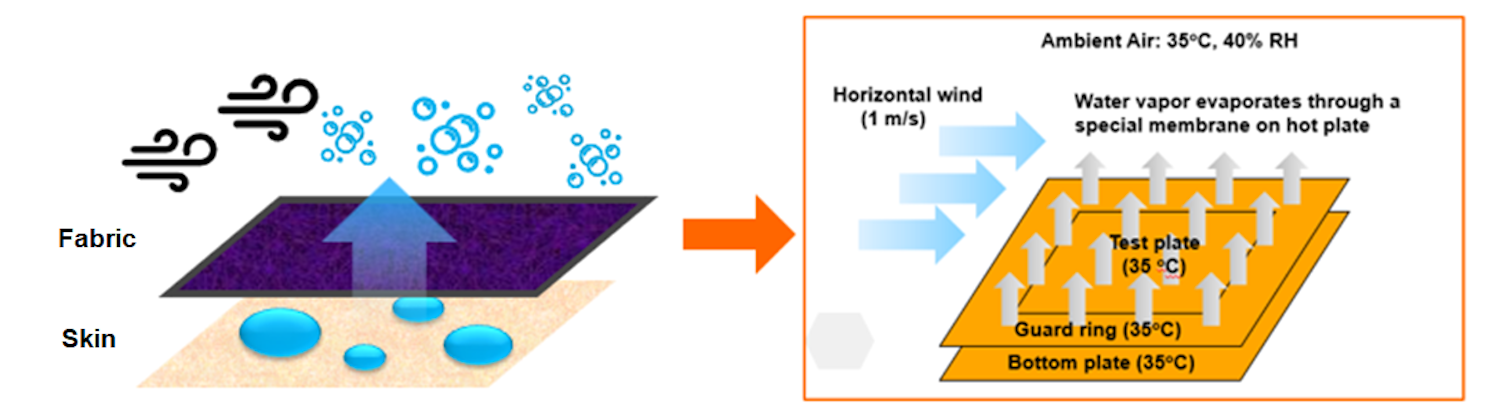
- Breathability: measures? heat and moisture transfer by mimicking skin conditions (35°C with controlled humidity), ensuring garments keep wearers cool and dry
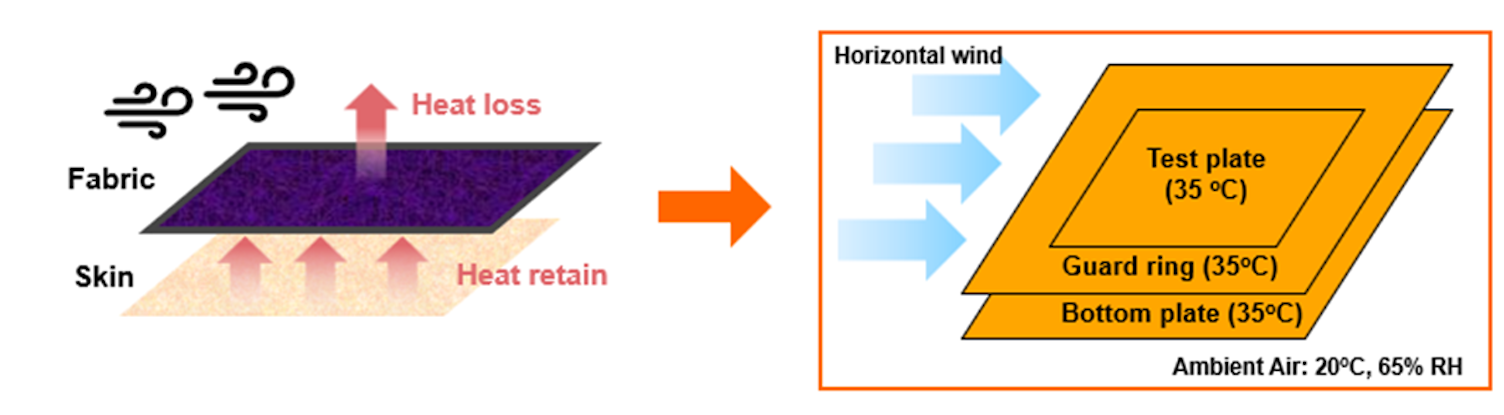
- Thermal resistance: evaluate the thermal insulation of clothing in real-world scenarios using the skin model hot plate method for fabrics and the thermal manikin method for finished garments, ensuring effective insulation without overheating
Through our global network of state-of-the-art laboratories, we provide testing solutions for brands and manufacturers across all markets, enhancing safety, comfort, performance and sustainability. In the end, it’s trusted because it’s tested.
Learn more about SGS’s Softlines services.
Enjoyed this article?
Find more news and updates in our Consumer Compact newsletter >
Delivered direct to your inbox
Subscribe to Consumer Compact >
References
1World Population Prospects (United Nations)
2Ageing: Global population (World Health Organization)
3Elderly Clothing Market Report – Global Forecast From 2025 To 2033
4Elderly Clothing Market Report – Global Forecast From 2025 To 2033
5Consumer shift to favor sustainable practices creates key opportunities and challenges for global fashion brands—Bain & Company & WWF Italy report
62025 Tech Trends and Adults 50-Plus
7SGS E-shower evaluation provides a comprehensive analysis of a ready garment’s water resistance properties
© SGS Société Générale de Surveillance SA.