Any organization, public or private, large or small, that aims to reduce biodiversity-related risks, enhance resilience and demonstrate leadership in sustainability.
Biodiversity is the foundation of resilient ecosystems and sustainable economies. Over half of the world’s GDP (USD 44 trillion) is moderately or highly dependent on nature. Yet, biodiversity is declining faster than ever before, threatening supply chains, business continuity and global prosperity. As biodiversity risks grow, so do regulatory, reputational and operational pressures.
ISO 17298 – Biodiversity — Considering biodiversity in the strategy and operations of organizations — Requirements and guidelines – provides a practical, globally aligned framework to help organizations understand their dependencies and impacts on nature, integrate biodiversity into decision-making and take meaningful action for a nature-positive future by implementing a credible biodiversity action plan.
How ISO 17298 helps organizations create tangible environmental, social and economic value
- Aligns strategy with global biodiversity policies and disclosure requirementsAligned with global frameworks, such as the Kunming–Montreal Global Biodiversity Framework (GBF).
- Enhances risk management and resilienceIdentifies biodiversity-related risks and opportunities across supply chains.
- Improves transparency through clear biodiversity reporting and communicationAids organizations in building stakeholder trust and accessing green finance and nature-positive investors.
- Supports institutional capacity growthEnables organizations, especially small and medium-sized enterprises and public bodies, to effectively adapt to increasing biodiversity-related demands from regulators, stakeholders and consumers.
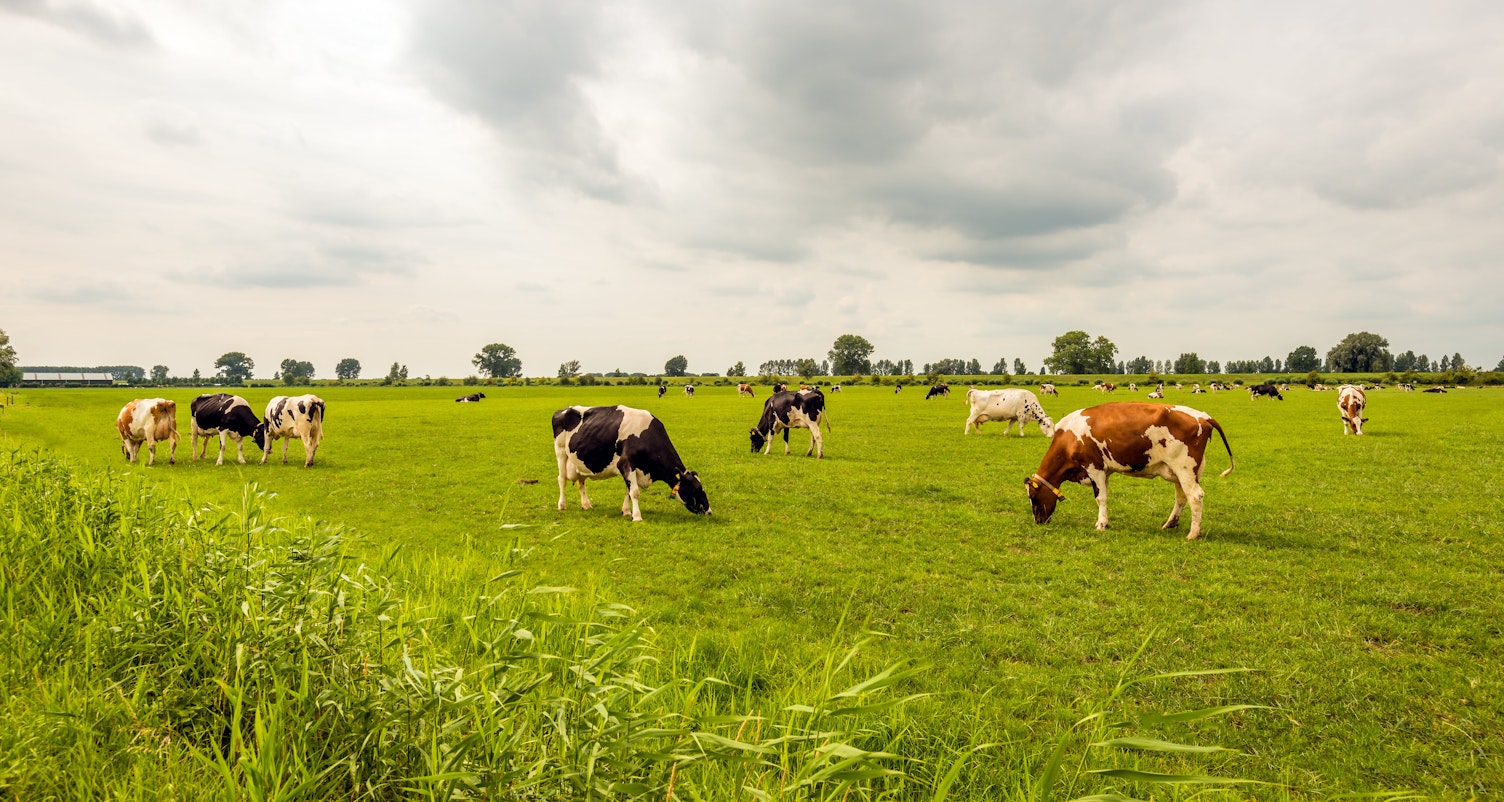
A leader in sustainability
We are dedicated to helping organizations transition toward a nature-positive and net-zero future. Our global sustainability vision is guided by our IMPACT NOW for sustainability framework, which drives measurable progress across four pillars: Nature, Climate, People and Governance.
Through the Nature pillar, we empower organizations to protect biodiversity, conserve ecosystems and enhance environmental stewardship. We are thrilled to support clients in embedding sustainability across every level of their operations.
FAQ
It is the first international standard dedicated to biodiversity, developed by ISO/TC 331. It consolidates global best practices to support cross-sector and cross-geography action for nature.
Implementation is designed to be flexible and scalable:
- Assess how your activities interact with biodiversity
- Prioritize actions at operational and landscape levels
- Set measurable objectives and monitor progress
- Integrate biodiversity into broader sustainability systems such as ISO 14001 or ISO 26000
The process is iterative and adaptable, evolving with your organization and its context.
The standard supports Target 15 of the GBF by enabling organizations to assess, disclose and act on their nature-related impacts and dependencies.
Yes. It complements ISO 14001 (Environmental management systems), ISO 26000 (Social responsibility) and other ESG-related frameworks, helping organizations embed biodiversity into existing management systems.
400 Broadacres Drive,
Suite 200, 2nd Floor,
Bloomfield, New Jersey, 07003,
United States