As climate change continues to reshape the global landscape, its implications for occupational health and safety (OH&S) are becoming increasingly significant. Organizations that are certified under ISO 45001: Occupational Health and Safety Management Systems must now consider climate-related risks as part of their strategic and operational planning. This integration is not only essential for compliance but also for ensuring long-term business resilience and sustainability.
The Impact of Climate Change on Workplace Safety
Climate change introduces a range of environmental stressors that directly affect workplace conditions, employee well-being, and operational continuity. Key impacts include:
- Heat Stress and Thermal Hazards
Rising global temperatures increase the risk of heat-related illnesses such as heat exhaustion and heat stroke, particularly in outdoor or high-temperature work environments.
- Equipment and Infrastructure Vulnerability
Extreme heat and humidity can lead to the malfunction or accelerated degradation of machinery, posing safety hazards and increasing maintenance costs.
- Natural Disasters
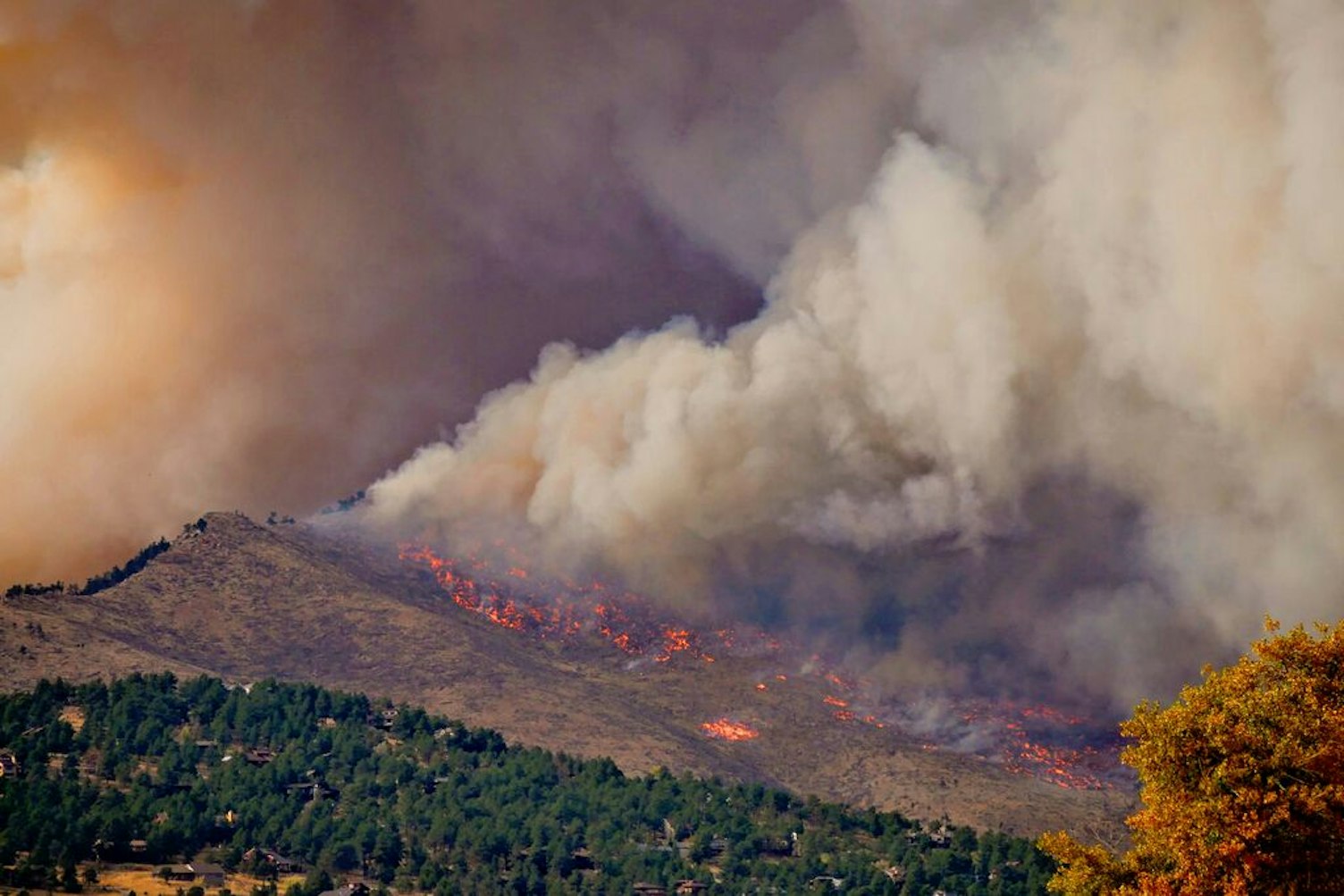
The frequency and severity of events such as floods, wildfires, droughts, and storms are escalating, disrupting operations and endangering personnel.
- Emerging Health Risks
Climate change contributes to the spread of vector-borne and infectious diseases, especially in regions experiencing ecological shifts, thereby increasing occupational health risks.
ISO 45001 Requirements Related to Climate Change
ISO 45001 provides a robust framework for identifying and managing risks, including those arising from environmental changes. Several clauses are particularly relevant:
- Clause 4.1 – Understanding the Organization and Its Context Organizations must assess external factors, including climate change, that can influence their OH&S management system.
- Clause 4.2 – Understanding the Needs and Expectations of Interested Parties Stakeholders—including employees, regulators, and communities—may have specific concerns regarding climate resilience and workplace safety.
- Clause 6.1.1 – Actions to Address Risks and Opportunities Based on the context and stakeholder expectations, organizations are required to identify, evaluate, and plan for risks and opportunities, including those related to climate change.
By embedding climate considerations into these foundational clauses, ISO 45001 enables organizations to proactively manage evolving safety challenges.

Operational Planning and Control Measures
To effectively address climate-related OH&S risks, organizations should implement targeted operational controls:
- Thermal Risk Mitigation: Adjust work schedules, provide cooling stations, and ensure adequate hydration for employees working in high-heat environments.
- Preventive Maintenance: Establish rigorous inspection and maintenance protocols for equipment exposed to extreme weather conditions.
- Emergency Preparedness: Develop and regularly test emergency response plans for natural disasters and health emergencies, including evacuation procedures and communication protocols.
- Employee Training and Awareness: Conduct training programs to educate workers on climate-related hazards and appropriate safety practices.
These measures not only support ISO 45001 compliance but also enhance organizational agility and preparedness.
Strategic Benefits of Integrating Climate Change into ISO 45001
Incorporating climate change into OH&S risk management yields multiple strategic advantages:
- Enhanced Risk Resilience: Proactively managing climate risks reduces the likelihood of workplace incidents and operational disruptions.
- Improved Employee Health and Morale: A safer, more responsive work environment contributes to employee well-being and retention.
- Alignment with ESG and SDG Goals: Addressing environmental and social risks supports broader sustainability initiatives and corporate responsibility frameworks.
- Regulatory Readiness: Anticipating and adapting to evolving environmental regulations ensures ongoing compliance and reduces legal exposure.
- Stakeholder Confidence: Demonstrating a commitment to climate resilience strengthens trust among investors, clients, and the public.
Conclusion
Climate change is not just an environmental issue—it is a critical occupational health and safety concern. By leveraging the ISO 45001 framework, organizations can systematically identify, assess, and mitigate climate-related risks, ensuring safer workplaces and more sustainable operations. As global expectations around ESG performance and climate adaptation continue to rise, integrating these considerations into OH&S systems is not only prudent—it is essential.
About SGS
SGS is the world’s leading Testing, Inspection and Certification company. We operate a network of over 2,500 laboratories and business facilities across 115 countries, supported by a team of 99,500 dedicated professionals. With over 145 years of service excellence, we combine the precision and accuracy that define Swiss companies to help organizations achieve the highest standards of quality, compliance and sustainability.
Our brand promise – when you need to be sure – underscores our commitment to trust, integrity and reliability, enabling businesses to thrive with confidence. We proudly deliver our expert services through the SGS name and trusted specialized brands, including Brightsight, Bluesign, Maine Pointe and Nutrasource.
SGS is publicly traded on the SIX Swiss Exchange under the ticker symbol SGSN (ISIN CH1256740924, Reuters SGSN.S, Bloomberg SGSN:SW).




238 TRR Tower, 19th-21st Floor, Naradhiwas Rajanagarindra Road,
Chong Nonsi, Yannawa, 10120,
Bangkok, Thailand