Contact

What are you looking for?

Loading component...

RecyClass Certification

Achieve key certification to ensure plastic recyclability, traceability of related waste and uptake of recycled plastic with RecyClass services from SGS.

RecyClass drives plastic circularity by ensuring products are designed for recyclability, while promoting the transparent use and traceability of recycled plastics. This enables you to demonstrate compliance and accelerate your transition toward a circular plastic economy.

RecyClass provides a set of practical, ready-to-use tools to support this journey. Its Recyclability Methodology and traceability systems form the foundation, while the Design for Recycling Guidelines help you optimize product design through clear, science-based criteria for recyclability.

Explore RecyClass certifications

At the forefront of the circular plastic journey, we provide the following accredited RecyClass certifications:

Evaluate the compatibility of plastic packaging with the entire waste management chain – from collection and sorting to recycling and reuse in its original application.

Discover the benefits of recyclability certification from SGS

Ensure transparency with a scientific methodology

Rely on standardized testing protocols and science-based design for recycling criteria.

Build confidence with independent, third-party certification

Benefit from trusted assessments delivered by a recognized Certification Body, covering the European market and key neighbouring countries.

Make reliable and responsible claims

Communicate recyclability clearly and credibly with verified data.

Future-proof packaging

Stay ahead of evolving EU legislation and market demands by certifying your product’s recyclability.
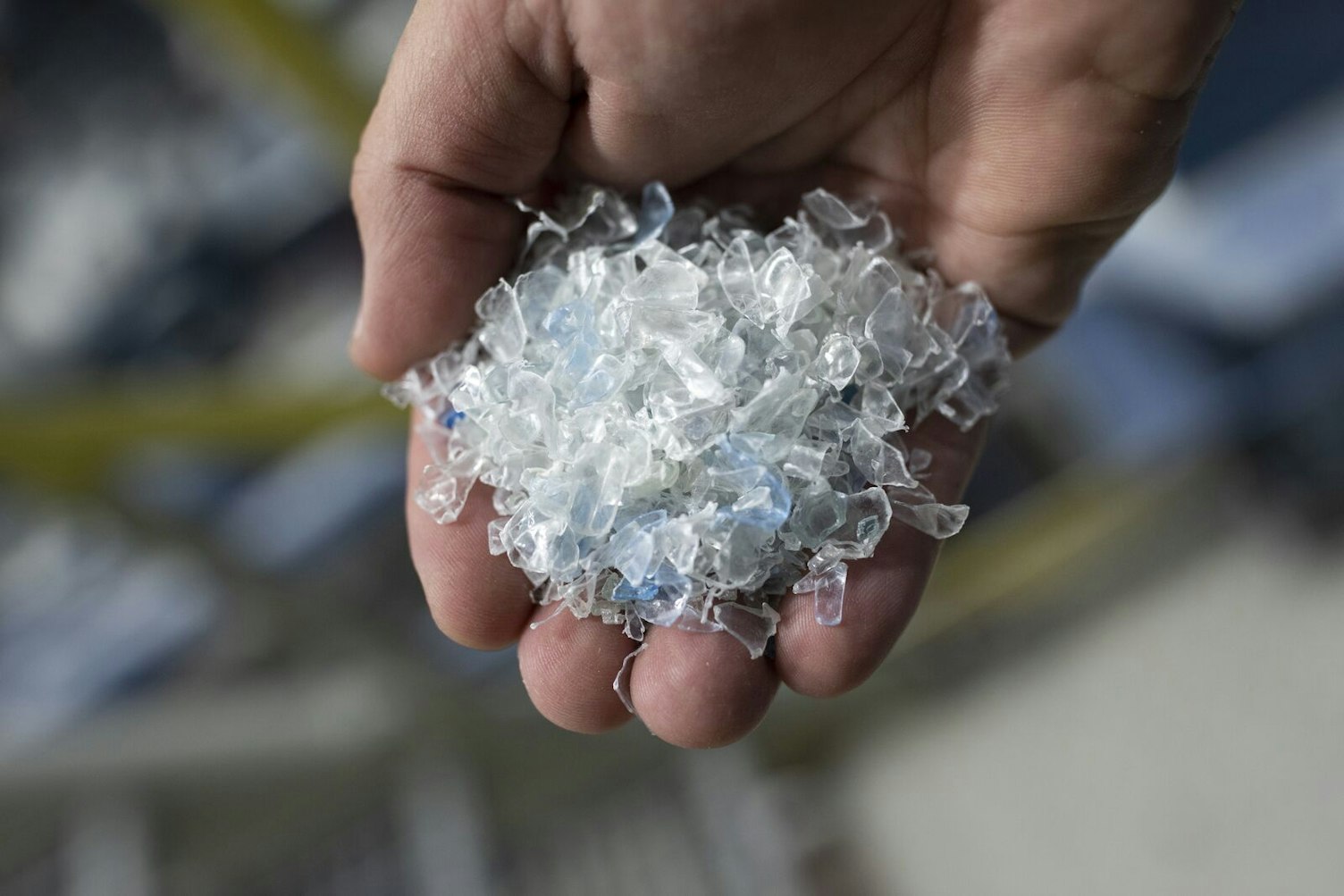
Ensure transparency and accountability in your use of recycled plastics. The certification verifies material traceability throughout your process and confirms the exact percentage of recycled content in your products, using a robust controlled blending approach.

Developed in line with EN 15343 and ISO 22095 controlled blending model standards, the scheme can serve as proof of audit for compliance with the Spanish plastic tax.

Discover the benefits of recycled plastics traceability certification from SGS

Verify the origin of recycled materials

Ensure all recycled inputs are responsibly sourced from traceable origins.

Achieve complete material traceability

Track recycled plastics throughout your supply chain with precise content percentages.

Enhance credibility with independent certification

Demonstrate transparency and enhance credibility.

Make accurate and reliable product claims

Communicate verified recycled content clearly, such as “contains 60% recycled plastic”.

Support compliance with Spanish plastic tax requirements

Use your certification as official documentation for tax reporting.

Why SGS?

As the world’s leading testing, inspection and certification company, we combine global certification expertise with decades of sustainability leadership to accelerate your circularity journey. Our IMPACT NOW Circularity experts support you at every stage – helping you navigate RecyClass requirements, strengthen compliance and move confidently toward a circular plastic economy.

Loading...

FAQs

The RecyClass Administrative Council and respective steering and advisory boards of sector branches oversee the association.

Each branch comprises several technical committees, task forces or working groups dedicated to addressing specific challenges in plastic circularity. These groups work to generate additional scientific data to improve the recommendations presented by RecyClass.

The RecyClass structure is further strengthened by the valuable contribution of its partners, such as supporters, testing facilities and Certification Bodies, whose expertise helps refine the RecyClass tools for the industry.

  • Scientific findings
  • Traceability
  • Reliability
  • Transparency

This methodology sets out transparent, science-based principles and assessment methods to determine the recyclability of plastic materials. The aim is to support the industry in designing plastic packaging and products that are compatible with existing recycling processes.

The approach covers:

  • Standardized testing methods
  • Fact-based design for recycling guidelines
  • A recyclability self-assessment online tool
  • Third-party recyclability certifications
  • Reliable claims

The methodology includes classes. Classes A-C are considered recyclable, as the quality of the recyclate produced is good enough for closed-loop or cascade open-loop applications.

Plastic waste undergoes multiple stages before it can be transformed into high-quality recycled material used in new products. At every step, maintaining traceability is crucial to meet the highest safety and quality standards, and ensuring the verification of waste origin.

To support full material traceability and stakeholder alignment with evolving EU legislation, RecyClass has a suite of certification schemes tailored to the plastic recycling value chain.

These certifications interconnect and address key legislative requirements, ensuring a transparent and reliable recycling process throughout:

  • Sorter
  • Recycler
  • Compounder
  • Trader
  • Converter
  • Producer

Such traceability helps prove the origin of pre- and post-consumer plastic waste, leading to more reliable recycled content claims.

  • Level 1: single waste batch, recycling process and output batch to input batch. Mandatory for food contact
  • Level 2: waste in two or more storage bays, recycling process and output batch to input group batches
  • Level 3: waste in a single storage bay, recycling process and output batch to input group batches on average. Only applies to bulk material

Several methods exist for calculating recycled plastic content in products, covering mechanical and chemical recycling processes. These methods differ based on how materials are traced throughout the plastics value chain and the level of traceability they provide.

The chosen calculation method directly influences the credibility of recycled content claims. For example, a method with high traceability allows for more specific and verifiable declarations.

EN 15343 describes how to calculate recycled content in a product.

The amount of recycled content that a brand owner can use in its products may vary depending on factors such as the availability of material or suppliers of recycled plastics. This means the amount of recycled content in a destined product can vary from one period to another.

Based on the methodology used, the amount of recycled plastic in each product will be reported and claimed differently.

RecyClass follows a controlled blending approach, focused on the physical traceability of materials throughout the recycling process. This means that, at any given time, the percentage of recycled content is known.

When following this method, you can make claims on products like: “This bottle contains 60% recycled plastic.”

As this model certifies a known percentage of recycled plastic, it ensures reliable, understandable and trustworthy communication with stakeholders, customers and consumers.

Over the past decade, RecyClass has advanced understanding of packaging recyclability and is now promoting recyclability in the automotive and electrical and electronic equipment sectors.

To support full circularity for plastics, RecyClass develops sector-specific Design for Recycling Guidelines to help determine whether a product’s components are compatible with a given recycling stream. These guidelines are regularly updated.

Circularity

Embrace a circular economy & eliminate waste

Impact Now group portraits on green background

part of

IMPACT NOW  for sustainability

Loading...
Loading...

News & Insights

  • SGS - Slovakia - Kosice

Kysucká 14,

04011,

Kosice,

Slovakia