


The EU Deforestation Regulation (EUDR) promotes the consumption of deforestation-free products to vastly reduce greenhouse gas (GHG) emissions while assisting the fight against global biodiversity loss. It provides assurance that the EU will not contribute to deforestation or forest degradation. The regulation covers commodities produced on land not subject to deforestation after December 31, 2020.

The EUDR promotes the consumption of deforestation-free products to reduce greenhouse gas (GHG) emissions and combat global biodiversity loss. Organizations marketing or placing certain cattle, cocoa, coffee, oil palm, rubber, soya or wood products, including derived products, on the EU market, or exporting them from it, must demonstrate due diligence along their supply chains. This guarantees that their commodities are produced in accordance with the relevant legislation of the country of production. Noncompliance can lead to hefty fines, the confiscation of products or revenue and temporary exclusion from the market.
Our EUDR services support every step of your compliance journey – from gap analysis and training to full due diligence system verification – helping you reduce risk, protect your reputation and maintain access to the EU market.
Achieve EUDR compliance with SGS
- Decrease reputational and legal risks
Demonstrate due diligence along your supply chain and avoid fines, the confiscation of products or revenue and temporary exclusion from the EU market.
- Meet consumer demand for ethical products
Show that your commodities are deforestation-free and produced in accordance with the relevant legislation of the country of production.
- Enhance supply chain sustainability and traceability
Gain transparent, informative due diligence along your supply chain, from farm, plantation or forest to market.
- Secure your supply
Identify and close compliance gaps early to keep your commodities moving to and from the EU market.
- Contribute to global efforts against deforestation
Support the fight against climate change and biodiversity loss, and promote responsible land use.
Discover our EUDR services
- EUDR gap analysis
We assess your EUDR due diligence system, providing a checklist and report that highlight any noncompliance or areas for improvement to smooth your compliance journey.
- Chain of custody verification
We identify any gaps concerning EUDR supply chain requirements and verify the accuracy of your data.
- EUDR due diligence system verification
We verify your due diligence system and provide a confirmation statement, so you can verify and demonstrate continuous EUDR compliance.
- First-mile, farm, plantation and forest assessments
We assess your sites against EUDR legality requirements and verify data accuracy.
- EUDR readiness solution
We move you from data collection to credible compliance.
- EUDR training
We offer an online introductory course outlining the regulation and its requirements.
- Auditing and certification
We audit and certify against forestry, agriculture and food sector voluntary certifications, such as FSC™, PEFC, RSPO, RTRS, Rainforest Alliance, FSSC, IFS and BRCGS, to help you demonstrate EUDR compliance and enhance your brand’s reputation.
Why SGS?
As the world’s leading testing, inspection and certification company, we combine decades of forestry, food industry, supply chain, sustainability and training expertise. This enables us to support your EUDR compliance at every stage, from an initial gap analysis to ongoing verification.
Our recognized voluntary certifications, rigorous assessments and reliable results help you reduce risk, meet regulatory requirements and improve confidence in your supply chain.
Looking for something specific?
Search within EU Deforestation Regulation (EUDR)
FAQs
The EUDR covers the following commodities, including derived products:
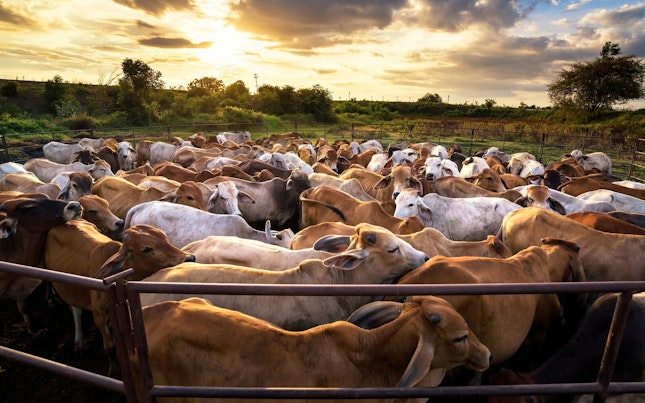
- Cattle – live cattle, meat and leather
- Cocoa – cocoa beans, paste, butter, powder and chocolate products
- Coffee – roasted, unroasted and decaffeinated coffee, and substitutes containing any proportion of coffee
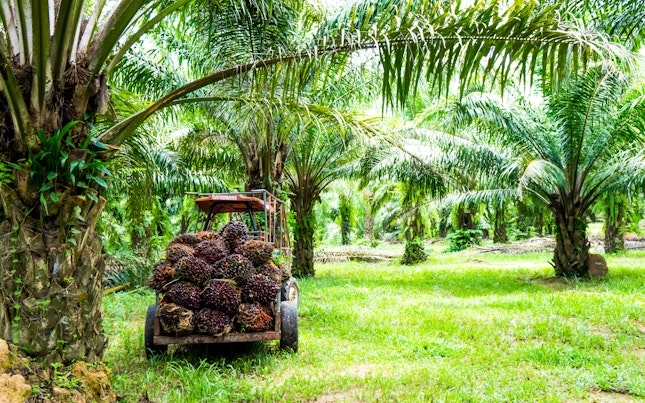
- Oil palm – nuts, kernels, palm oil, glycerol and palm oil-derived fatty acids
- Rubber – natural rubber, gums and all articles of vulcanized rubber, whether hard or not, including tires and clothing
- Soya – soya beans, meal, oil and residues, including oilcake
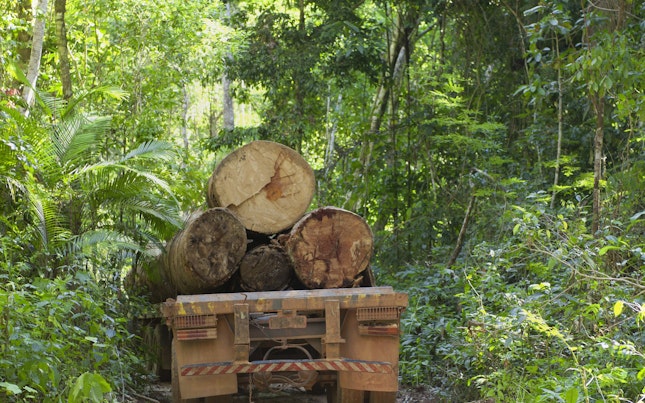
- Wood – logs, processed wood, wooden furniture, paper and packaging
The EUDR focuses on deforestation from the conversion of forests for agricultural use, whether human-induced or not. It is also concerned with forest degradation, the conversion of primary or natural forests to planted forests.
Both of these harm the environment because carbon is usually emitted during the conversion process and, with fewer trees, the land is less capable of absorbing carbon dioxide (CO₂). Environmental damage, including biodiversity loss and climate change, occurs when deforestation and forest degradation happen faster than forests can recover.
The main obligations apply from December 30, 2026, for larger companies, with a later date of June 30, 2027, for most micro and small operators. For some timber products already covered by the EU Timber Regulation (EUTR), specific transitional rules apply.
2010
The European Timber Regulation (EUTR) was adopted in December 2010 and entered into force in March 2013. It requires due diligence for timber imports. The European Commission recognizes SGS as an EUTR Monitoring Organization.
2015
The Paris Agreement, an international treaty on climate change, was adopted by 196 nations at the UN’s COP21 in Paris in 2015. It came into force in 2016.
2019
The European Green Deal, which aims to help the EU’s green transition to climate neutrality by 2050, was presented by the European Commission. The EU Biodiversity Strategy for 2030, which aims to put Europe’s biodiversity on the path to recovery by 2030, was also outlined.
2021
In November 2021, the European Commission proposed the EUDR.
2023
In April 2023, the European Parliament formally adopted the EUDR. It came into force on June 29, 2023.
2024-2026
Its application was postponed. The main obligations apply from December 30, 2026, with a later date of June 30, 2027, for most micro and small operators. For some timber products already covered by the EUTR, specific transitional rules apply.
The primary responsibility for EUDR compliance lies with the organization placing the commodity on the EU market or exporting it. This organization must follow due diligence, transparently and informatively, along the supply chain. Consequences for noncompliance include hefty fines, the confiscation of products or revenue and temporary exclusion from the market.
Producers grow, harvest or raise commodities.
Operators must assess and mitigate the risks of deforestation and illegal production of products for the EU market or export. Where required, operators must submit a due diligence statement (DDS) before placing relevant products on the EU market or exporting them. A DDS may cover one or multiple batches or shipments, provided the products, quantities, evidence and risk conclusion are properly covered.
Traders supply products for distribution, consumption or use on the EU market, during a commercial activity.
Non-SME traders remain traders under the amended EUDR, but they have additional obligations, including registration in the EUDR Information System and reactive verification duties where substantiated concerns arise.
SME traders must collect information about the operator or trader that supplied the product and the reference to the DDS.
Controls are organized by member states. There are no specific roles for certification/accreditation foreseen.
Packaging may be covered when placed on the market or exported as a product in its own right. However, packaging used only to support, protect or carry another product is not covered for that use. Decorative, reusable or essential-character packaging should be assessed carefully.

