What is the CBAM?
The Carbon Border Adjustment Mechanism (CBAM) is a regulatory tool introduced by the European Union (EU) to address carbon leakage and ensure a level playing field in global trade. Carbon leakage occurs when companies relocate production to countries with less stringent climate policies, undermining global emissions reduction efforts.
CBAM imposes a carbon price on imports of specific goods, such as iron and steel, cement, aluminum, fertilizers, and electricity, based on their embedded carbon emissions. Starting with a transitional phase in 2023, importers must report the emissions linked to their products. By 2026, full implementation will require the purchase of CBAM certificates, priced according to the EU Emissions Trading System (ETS), effectively mirroring the carbon costs faced by EU-based producers.
The goal of CBAM is twofold:
- To prevent carbon-intensive production from moving to regions with weaker regulations.
- To incentivize global producers to adopt cleaner technologies, fostering a shift toward sustainable production.
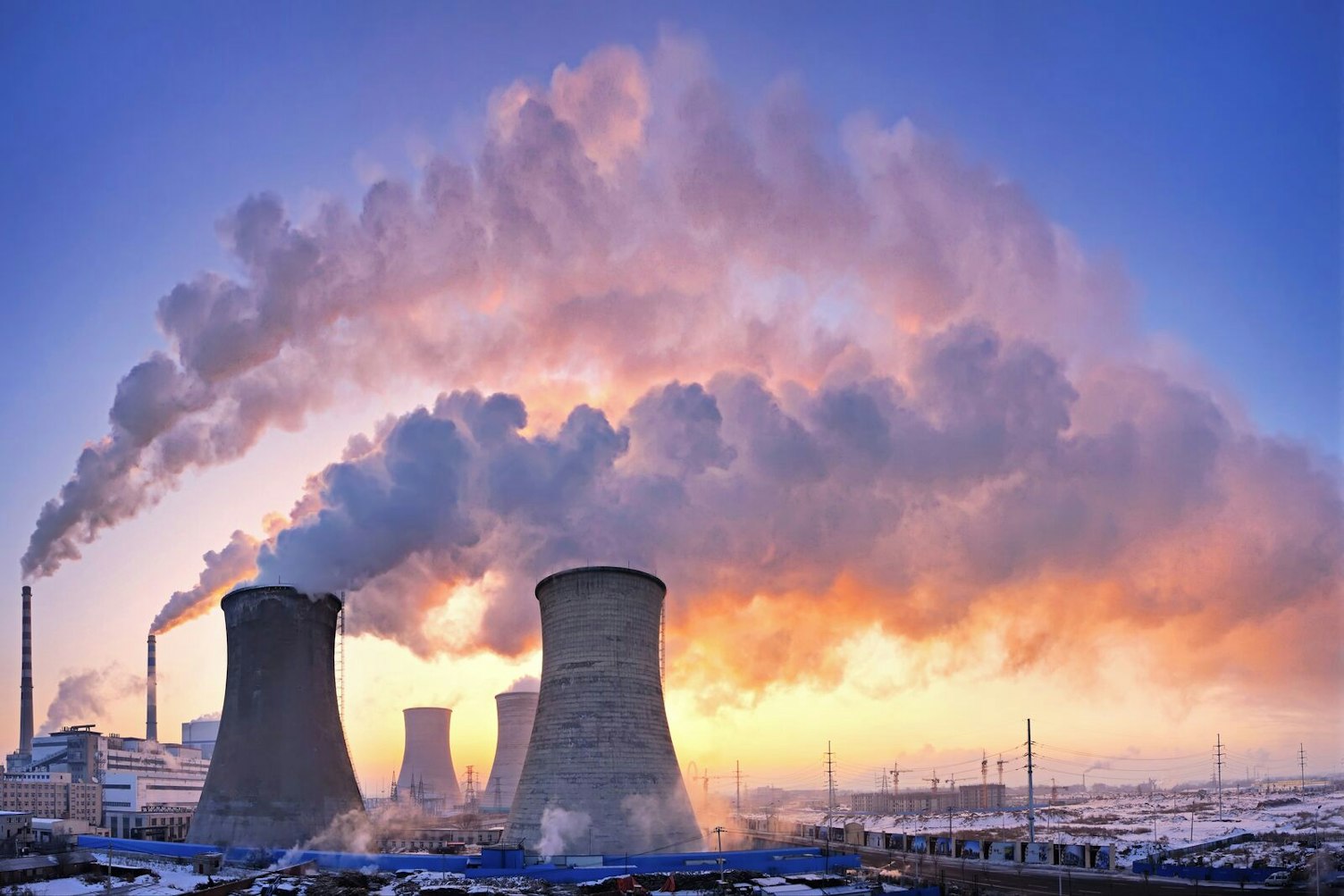
How CBAM impacts the iron and steel industry
The iron and steel industry is one of the most carbon-intensive sectors, making it a key focus under the Carbon Border Adjustment Mechanism (CBAM). Iron and steel products are explicitly included in CBAM’s scope due to their high greenhouse gas (GHG) emissions during production. Non-EU producers, including those based in the Middle East exporting to the EU will be required to purchase CBAM certificates, priced according to the EU Emissions Trading System (ETS), to account for the embedded carbon in their products.
This adjustment ensures a level playing field by aligning the carbon costs faced by EU producers and foreign competitors, discouraging the import of cheaper, high-carbon steel. However, it poses challenges for non-EU producers in regions with limited access to decarbonization technologies, as reliance on traditional, carbon-intensive methods will lead to higher costs and reduced competitiveness in the EU market.
Complying with CBAM presents several challenges for the iron and steel industry, ranging from complex carbon accounting to regulatory alignment and financial burdens. These obstacles not only increase operational difficulties but also impact global competitiveness, making it essential to understand their full scope. From our CBAM reporting experience and frequently asked questions by customers, here are some of the key challenges associated with implementing CBAM:
Accurate Carbon Emission Accounting
- Complex Supply Chains: Steel production often involves multi-step processes and raw materials from various sources. Tracking and calculating the embedded carbon emissions across these supply chains can be challenging.
- Lack of Reliable Data: Getting accurate and consistent real data could be challenging to local producers for reaching compliant reporting scope.
Alignment with EU Standards
- Consistency with EU Rules: Non-EU producers need to ensure their carbon accounting and reporting methodologies align with EU requirements. Discrepancies in methods or standards could result in penalties or non-compliance issues.
- Verification Requirements: CBAM requires emissions data to be verified by an accredited third party by January 1, 2026, adding an additional layer of complexity and cost.
Administrative Burden
- Regulatory Compliance Challenges: Small and medium-sized producers may struggle with the administrative workload of complying with CBAM, such as preparing detailed emissions reports for products exported to the EU.
Lack of Harmonized Global Standards and Infrastructure Gaps
- Outdated Processes: Producers in the Middle East could rely on traditional, steelmaking technologies, such as blast furnaces, which are carbon-intensive. Transitioning to cleaner technologies and reporting systems will require significant investments.
- Different Regulatory Frameworks: Many Middle Eastern countries do not have stringent carbon accounting frameworks, leading to inconsistencies in data quality and methodologies.
Risk of Non-Compliance
- Potential Penalties: Non-compliance or inaccuracies in reporting could lead to penalties, reputational risks, or exclusion from the EU market. Non-compliance with CBAM reporting requirements could result in restricted market access or higher costs for imports, reducing competitiveness in the EU market.
- Knowledge Gaps: Producers unfamiliar with CBAM requirements may face delays or errors in reporting, jeopardizing market access.
Financial and Compliance Costs
- Financial Strain: Producers face significant financial burdens due to CBAM compliance. The costs of implementing carbon tracking systems, setting up emission monitoring and reporting, hiring experts, training staff, and obtaining third-party verification can be substantial, particularly for small and medium-sized producers.
- CBAM Certificate Costs: Additionally, inaccurate emissions data may lead to overestimated carbon footprints, resulting in higher CBAM certificate costs and further increasing operational expenses.
Recommendations on How to Get Ready to the New CBAM Regulations
While the above-mentioned challenges present significant hurdles for the iron and steel industry in the Middle East region, they also highlight the urgent need for practical solutions and innovative approaches to ensure compliance with CBAM and maintain competitiveness in the evolving global market.
Here are our solution suggestions to help the industry overcome these difficulties and adapt effectively to CBAM requirements.
Implement Robust Carbon Accounting Systems
- Develop Transparent Reporting Mechanisms: Establish internal systems to track carbon emissions at every stage of production, from raw material sourcing to the finished product.
- Adopt Standardized Tools: Use internationally recognized carbon accounting frameworks, such as the Greenhouse Gas (GHG) Protocol or ISO 14064-1, to ensure accuracy and consistency.
Collaborate with EU Importers
- Data Sharing Agreements: Work closely with EU importers to align on emissions reporting requirements and ensure accurate data submission.
- Leverage Importer Expertise: Collaborate with EU companies familiar with the EU Emissions Trading System (ETS) to streamline reporting processes and ensure compliance.
Invest in Third-Party Verification
- Accredited Auditors: Engage accredited third-party verification bodies to validate emissions data and ensure compliance with EU standards.
- Capacity Building: Train internal teams to work effectively with verifiers, reducing delays and potential disputes.
Upgrade Production Processes
- Adopt Low-Carbon Technologies: Transition to cleaner production methods such as hydrogen-based direct reduced iron (H-DRI) or electric arc furnaces (EAF) powered by renewable energy.
- Energy Efficiency Improvements: Implement measures such as waste heat recovery from furnaces, high-efficiency burners, and process optimization in rolling mills to reduce energy consumption. Upgrading to electric arc furnaces (EAF) where feasible, optimizing reheating furnace efficiency, and deploying smart energy management systems can further lower carbon emissions and streamline reporting.
Educate and Train Workforce
- Build Expertise: Provide training programs for staff to understand carbon accounting, EU regulations, and CBAM requirements.
- Engage Stakeholders: Conduct workshops with suppliers and partners to align them with CBAM-compliant practices.
Prepare for Long-Term Decarbonization
- Strategic Planning: Develop a structured roadmap for emissions reduction, aligning with internationally recognized frameworks such as the Science-Based Targets initiative (SBTi) and ISO 14068. This includes setting near-term and long-term targets, implementing robust carbon accounting practices, and integrating both immediate reporting requirements and long-term sustainability goals. SBTi provides sector-specific pathways for steel producers, ensuring alignment with global net-zero ambitions, while ISO 14068 offers a standardized approach for carbon neutrality claims.
- Focus on Circular Economy: Invest in recycling and reuse processes (e.g., scrap steel, metal recovery from slag) to reduce the carbon intensity of production.
How SGS can help?
We have been providing climate and greenhouse gases (GHG) services since 1998 and have expertise in verification and calculation of greenhouse gases emissions for a wide range of industries.
We stand ready to assist in responding to both national and global climate challenges and demands, and in achieving GHG reduction and carbon neutrality goals.
SGS holds several accreditations under various standards and schemes including but not limited to: ISO 14065 (ISO 14066), European Emissions Trading System (EU ETS), EU ETS aviation, CORSIA.
SGS helps the iron and steel industry comply with CBAM by providing carbon emission verification, reporting solutions, and regulatory guidance. We assist in carbon accounting, supply chain assessments, and third-party certification to ensure accurate emissions tracking. Our expertise helps companies streamline compliance, reduce risks, and stay competitive in the EU market.
For expert guidance, contact our local experts today.

About SGS
SGS is the world’s leading Testing, Inspection and Certification company. We operate a network of over 2,500 laboratories and business facilities across 115 countries, supported by a team of 99,500 dedicated professionals. With over 145 years of service excellence, we combine the precision and accuracy that define Swiss companies to help organizations achieve the highest standards of quality, compliance and sustainability.
Our brand promise – when you need to be sure – underscores our commitment to trust, integrity and reliability, enabling businesses to thrive with confidence. We proudly deliver our expert services through the SGS name and trusted specialized brands, including Brightsight, Bluesign, Maine Pointe and Nutrasource.
SGS is publicly traded on the SIX Swiss Exchange under the ticker symbol SGSN (ISIN CH1256740924, Reuters SGSN.S, Bloomberg SGSN:SW).

Floor No.1, Building No.340 Street 230, Zone 24,C Ring Road,
24140,
Doha, Qatar