Contact

What are you looking for?

Digital Product Passport (DPP) Services

Prepare for Digital Product Passport requirements across your product categories – with services covering data capture, management, verification and disclosure.

The Digital Product Passport (DPP) is becoming a defining feature of EU product regulation under the Ecodesign for Sustainable Products Regulation (EPSR), requiring brands, retailers and manufacturers to capture, verify and disclose structured product data across increasingly complex global supply chains. Requirements are developing at different speeds and with different scopes across product categories – from regulations already in force to frameworks still under preparation.

We support organizations in understanding what applies to their products, building the data foundations a DPP requires and preparing for compliant disclosure. A shared EU DPP Registry infrastructure, including a testing environment, is also emerging to support implementation across product groups. Whatever stage your products are at, we help you move from regulatory awareness to a scalable, verified DPP solution.

Article 77 and Annex XIII of the Batteries Regulation provide a detailed, legally established passport dataset, covering battery identification, material composition, chemistry, certain hazardous substances, critical raw materials, carbon footprint and recycled-content information, and capacity and voltage, alongside additional restricted-access information on performance, durability, state of health and battery status. The passport obligation applies to electric vehicle batteries, light means of transport (LMT) batteries and industrial batteries with a capacity greater than 2 kWh – it is not mandatory for every battery type.

We support battery manufacturers and supply chain partners in capturing and verifying the Annex XIII dataset, managing restricted-access information and preparing for disclosure through the required digital channels.

Speak to an expert

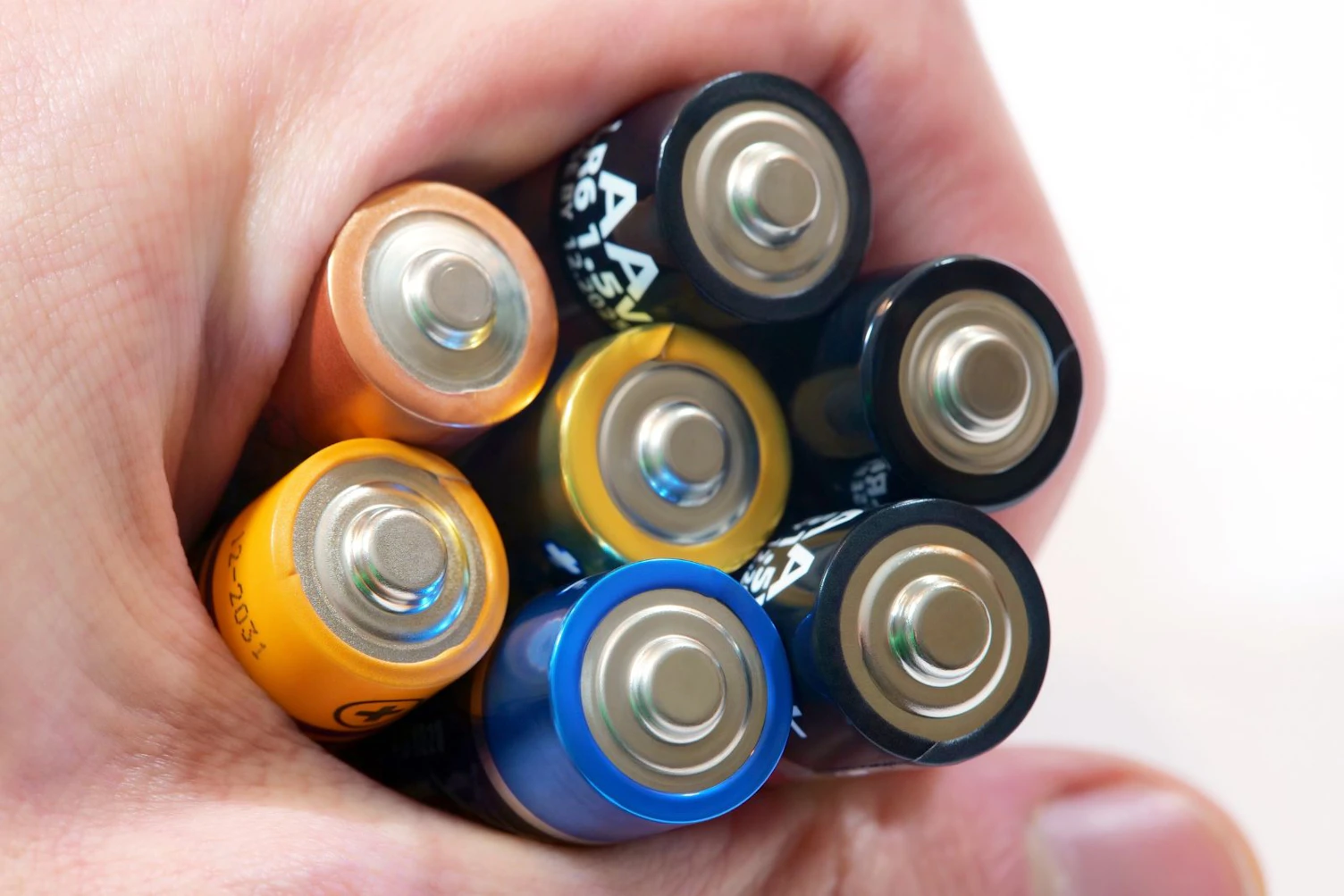
Hand holding mixed AA batteries, macro detail extreme closeup of positive terminals, colorful generic household cells on white background, energy power supply concept, recycling and e-waste collection

Textiles is a priority product group under the EU Ecodesign for Sustainable Products Regulation (ESPR), reflecting the sector's environmental footprint, complex global supply chains and use of chemicals. Footwear may follow in a later implementation phase. The DPP will operate as both a transparency tool and a regulatory instrument supporting market surveillance and compliance enforcement.

We support data capture across the value chain, independent verification of product information and secure disclosure to consumers, business partners and authorities – enabling traceability from fiber to finished product, through a phased, risk-based approach.

bluesign, an SGS company, offers DPP readiness assessments, with verified primary data on chemical inputs and production facilities, working with brands, manufacturers and chemical suppliers.

Talk to our experts

Young woman scans the QR code of labels in a clothing store on mobile, she reads detailed information about the manufacturer. Customer uses mobile app payment

Furniture, including mattresses, is identified as a priority product group in the European Commission's ESPR Working Plan (2025–2030), reflecting significant potential for improved circularity and environmental performance. Future requirements may address aspects such as durability, repairability, material efficiency, recycled content and recyclability. Specific performance and information requirements, including any DPP data requirements, are still to be defined through the preparatory work and subsequent delegated act. The indicative timeline for adoption of the furniture-specific delegated act is 2028, while the exact requirements and application dates remain to be confirmed.

We support furniture and mattress brands and manufacturers in building the data foundations – covering material composition, durability and recyclability information – needed to respond once ESPR furniture requirements are finalized.

Contact our experts

Comfortable bed with clean linens and bedside table in room

The new Toy Safety Regulation establishes a safety and conformity-focused DPP, rather than primarily an environmental sustainability passport. Article 19 requires the passport to correspond to a specific toy model, confirm demonstrated compliance with the regulation and contain the information prescribed by Annex VI. The DPP must remain available for ten years after the toy is placed on the market, and the regulation also addresses the digital data carrier, registration, authority access and replacement of the existing EU declaration of conformity. Technical specifications remain subject to supplementary rules under Article 49.

We help toy manufacturers prepare for Article 19 passport and compliance requirements.

Chat to an expert

Cute Caucasian little baby girl standing in her crib and chewing on an infant toy, looking at the camera, with copy space. Funny baby

Electronics and information and communication technology (ICT) products are important focus areas under the EU Ecodesign for Sustainable Products Regulation (ESPR). Given their significant environmental footprint, including energy and resource consumption, material use, and end-of-life impacts, the sector is particularly relevant to the EU’s objectives of improving product durability, repairability, resource efficiency, recyclability and circularity.

Product-specific DPP requirements for ICT products are currently indicated for introduction in 2029. In parallel, the ESPR Working Plan 2025-2030 foresees horizontal measures relevant to electrical and electronic equipment, including requirements related to repairability and, potentially, recyclability and recycled content. The detailed requirements, product scope, data fields and compliance timelines will ultimately be defined through the applicable delegated acts.

We support data integration across the product lifecycle, verifying material composition, recycled content, product carbon footprint, repairability metrics, energy efficiency, etc., enabling full traceability from component sourcing and usage to end-of-life recycling through a structured, phased approach.

Ask our experts

Showcase with smartphones in electronics store. New Samsung Galaxy mobile smartphones on shelf of store. A customer chooses the new Samsung S25+ model for purchase.

Prepare for DPP with confidence

  • Strengthen supply chain transparency

    Improve end-to-end traceability from raw materials to finished products across global supply chains.

  • Demonstrate regulatory and ESG compliance

    Support DPP readiness and applicable regulatory and sustainability requirements with structured, verified product data.

  • Advance circular economy objectives

    Provide the information needed to support repair, reuse and recycling across product categories.

  • Build credible consumer trust

    Substantiate sustainability claims with accurate, consistent and defensible information.

  • Reduce regulatory risk

    Independent data verification helps reduce the risk of inaccurate or unsubstantiated product disclosures.

  • Scale implementation efficiently

    Move from pilot to global roll-out with SGS DPP Digital Platform, our centralized digital platform supporting DPP implementation across product groups.

Our one-stop DPP solution

  • Data capture

    We support the collection of DPP-relevant product data aligned with applicable regulatory requirements, including product identification, materials, substances of concern, performance characteristics, environmental information and supply chain traceability, as relevant to each product group.

  • Data management

    Through SGS DPP Digital Platform, we support centralized management of product information, integration of data from global supply chains, management of test reports and certificates, and supplier accountability.

  • Data verification

    We perform independent desktop reviews, testing and data verification, drawing on our inspection and certification expertise to support the issue of a verified Digital Product Passport statement.

  • Data disclosure

    We support secure access to DPP data through appropriate digital channels, including database access for DPP owners, QR codes for consumers and business partners, and APIs for market surveillance authorities – while safeguarding confidential business information.

  • Implementation pathway

    We guide you through a phased approach: interpreting requirements, conducting gap analysis, running pilot projects and scaling up across collections, suppliers and markets.

Powered by the SGS DPP Digital Platform

We combine our DPP Digital Platform with our global testing, inspection and certification expertise to deliver an integrated Digital Product Passport solution across batteries, textiles and footwear, furniture and bedding, and toys.

The SGS DPP Digital Platform supports the collection, management and digital disclosure of product information, while our complementary services help ensure the underlying data is accurate, reliable and supported by appropriate evidence.

Together, our digital capabilities and independent verification services help you prepare for DPP requirements, strengthen supply chain transparency and manage product information throughout the product lifecycle.

Why SGS?

As the world's leading testing, inspection and certification company, we bring independent verification and deep regulatory insight to Digital Product Passport requirements across product categories – from established frameworks to those still under development.

We support you from raw material to finished product, from supplier data capture to verified disclosure, and from pilot projects to global roll-out. Our secure, centralized platform manages Ecodesign and DPP data at scale, while our global network of experts helps you track evolving requirements across textiles and footwear, furniture and bedding, toys and batteries.

Woman Scanning QR Code

FAQs

A DPP is a structured set of product data made accessible through a digital data carrier, as required by the applicable EU regulation for a given product category. Requirements and timelines vary by category, from regulations already adopted to frameworks still in preparation.

No. Toy DPP requirements are established under the Toy Safety Regulation, battery DPP requirements are established under Article 77 and Annex XIII of the Batteries Regulation and apply only to specific battery types, and textile, footwear and furniture requirements are developing under the EU Ecodesign for Sustainable Products Regulation (ESPR), with some areas – such as furniture – still at the preparatory stage.

No. The Article 77 obligation applies to electric vehicle batteries, light means of transport (LMT) batteries and industrial batteries with a capacity greater than 2 kWh. Other battery types are not currently subject to this requirement.

For categories such as furniture, where requirements are still under preparation, we help you begin building the underlying data – such as material composition, durability and recyclability information – so you are positioned to respond once requirements are confirmed.

We perform independent data verification drawing on our inspection and certification expertise, and support secure disclosure through the digital channels required by each regulation, including database access, QR codes and API-based access for authorities.

The SGS DPP Digital Platform is our digital platform for collecting, managing and disclosing product information. It works alongside our testing, inspection and certification services, which verify that the underlying data is accurate, reliable and properly evidenced.

Circularity

Embrace a circular economy & eliminate waste

Impact Now group portraits on green background

part of

IMPACT NOW  for sustainability

News & Insights

  • SGS – Paraguay – Asunción

Av. Peru 809 esq. Herminio Gimenez,

1531,

Asuncion, Paraguay