A fuel integrity program is a comprehensive system that combines fuel marking, field testing and data analytics and reporting to detect and prevent fuel fraud. It helps governments and oil companies safeguard tax revenues and ensure fuel integrity is not compromised within the supply and distribution chain.
Fuel fraud is a worldwide problem, costing the global economy billions of dollars annually. It has a severe impact on governments, consumers and the oil industry and undermines economic stability and public trust.
SGS’s Fuel Integrity Programs (FIP), is a turnkey, technology-based solution that protects against major forms of fuel fraud: smuggling, adulteration and dilution, fuel dumping, and grade swapping or substitution. It protects government revenues by preventing tax evasion and subsidy abuse. An end-to-end program, it combines covert fuel marking, rapid field testing, and secure data analytics and reporting to ensure product integrity through the supply and distribution chains.
Strengthen national fuel integrity with SGS
- Protect government financesRecover tax and subsidy revenues through evidence-based enforcement.
- Prevent criminal activityReduce illicit fuel volumes and close illegal market channels.
- Protect the interests of oil marketing companies (OMCs)Prevent brand abuse and reputation damage and contribute to achieving sales objectives.
- Ensure public and environmental safetyProtect consumers from unsafe fuels and prevent environmental pollution.
- Support enforcement and prosecutionsForensically sound test reports provide accurate, reliable evidence.
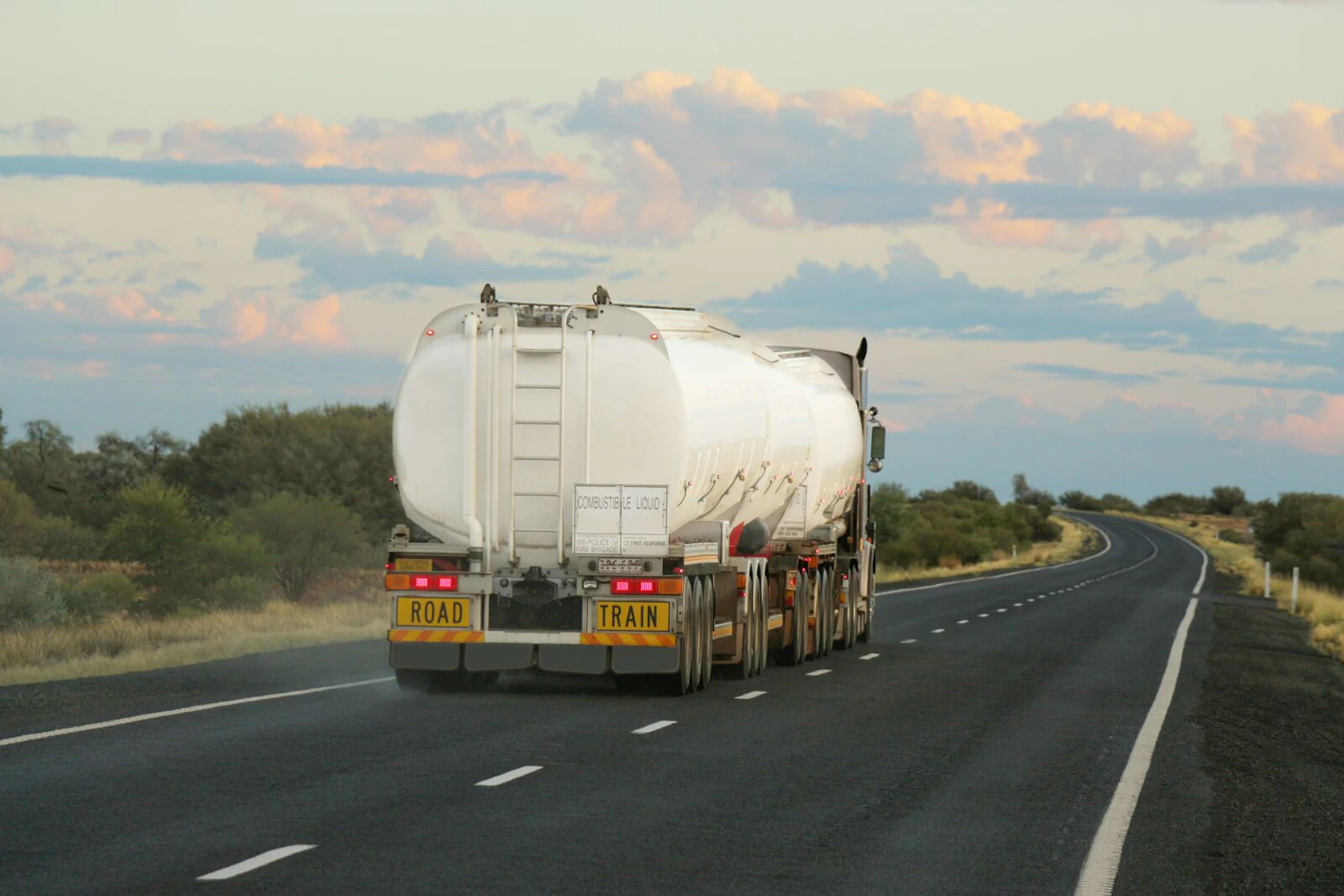
What is fuel fraud and why is it harmful?
Price and tax differentials – between countries, or between taxed and subsidized fuels – create profitable opportunities for fraudulent activities, such as:
- Smuggling: illegal cross-border fuel trade to evade taxes or exploit price differences
- Adulteration and dilution: mixing premium or taxed fuels with cheaper or low-quality products for profit
- Fuel dumping: diverting tax-free export fuel back into domestic markets illegally
- Grade swapping or substitution: replacing higher-grade fuel with lower-grade or non-compliant products.
These practices reduce government revenue, damage legitimate businesses, and increase environmental and safety risks.
How do our fuel integrity programs work?
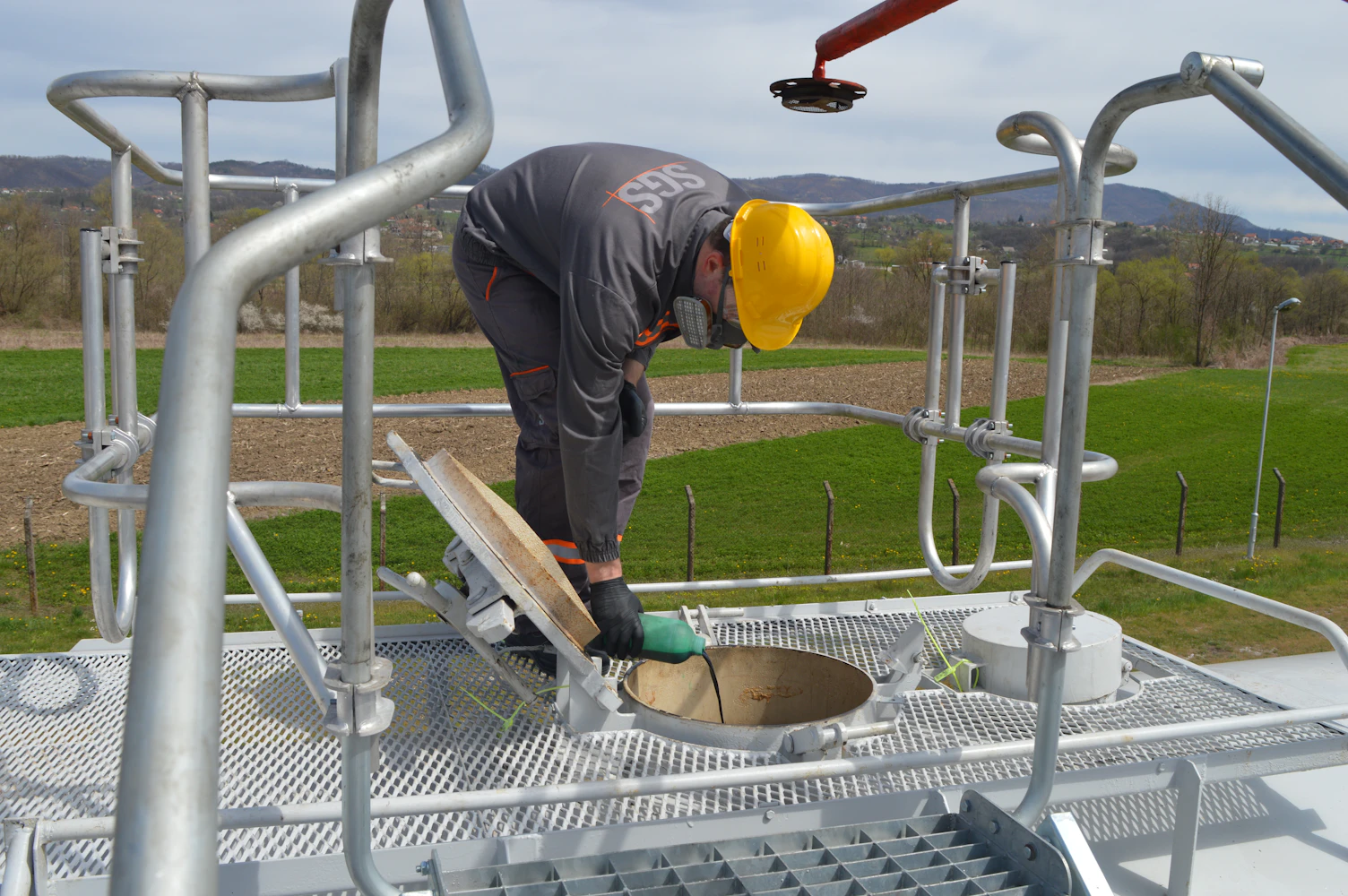
Fuel marking and logistics
A covert molecular marker is added to fuels, enabling traceability throughout the supply chain. We manage all logistics related to fuel marking, deploying expert teams to ensure smooth implementation and monitoring of the program.
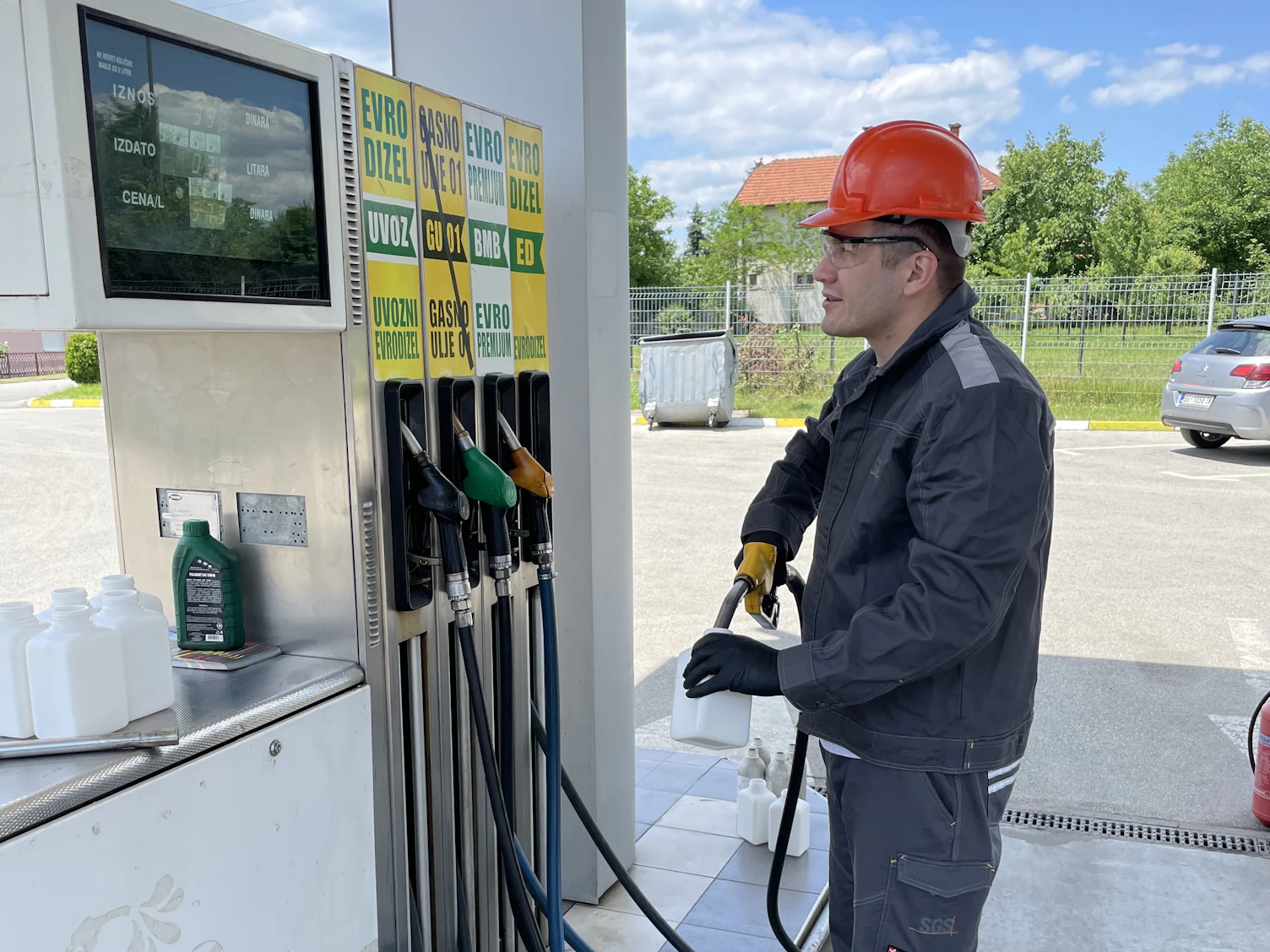
Field sampling and rapid testing
Our inspectors collect fuel samples during unannounced visits to refineries, depots and retail stations. Using mobile analyzers, they measure the marker concentration within minutes, providing immediate insight into whether fuels have been adulterated or diluted.
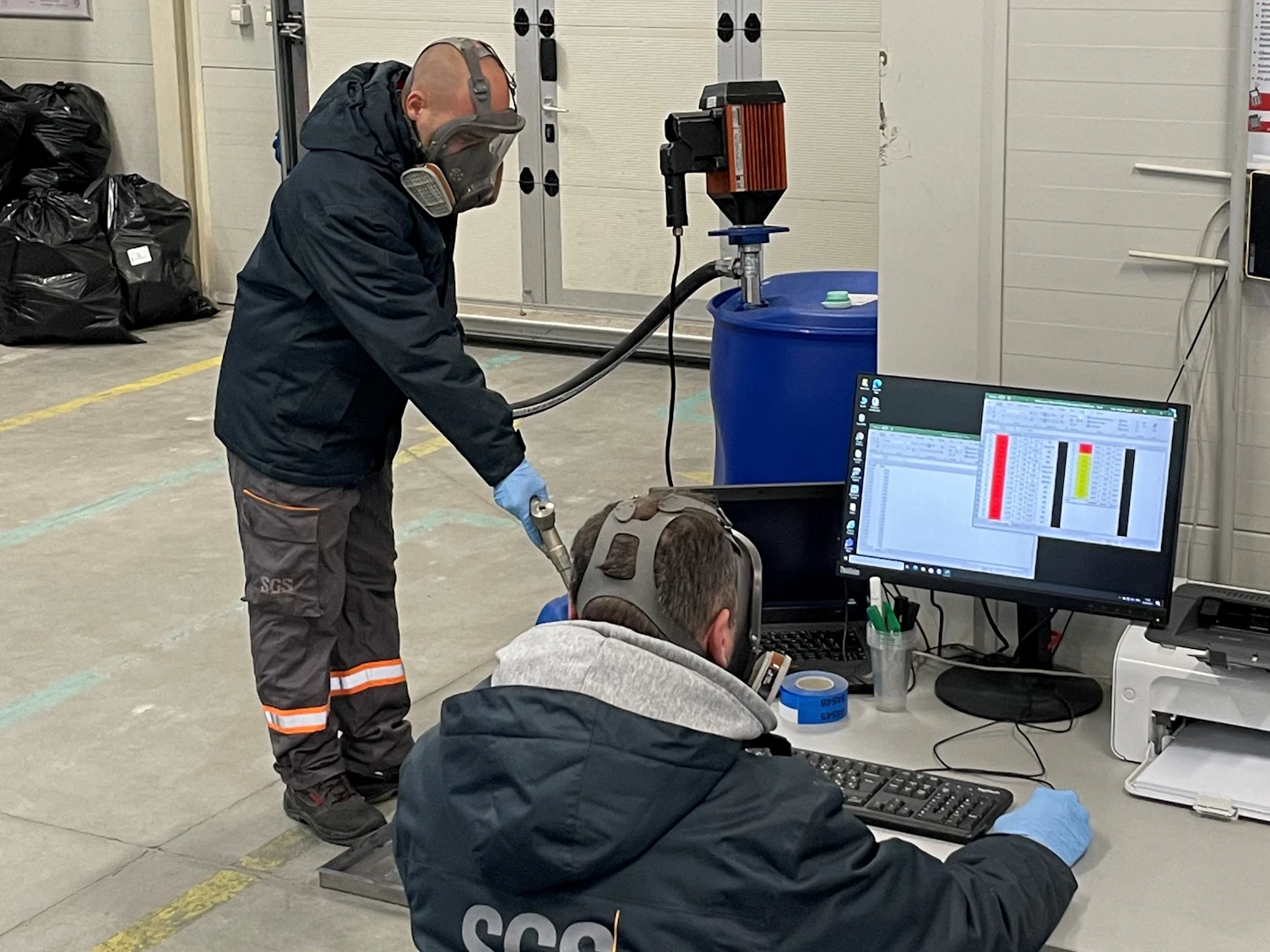
Data analytics and reporting
All test results and field data are securely analyzed and compiled into comprehensive statistical reports, which serve as crucial evidence to support enforcement actions, legal proceedings and prosecution. Advanced data analytics systems maintain program integrity, efficiency and transparency.
Why SGS?
As your trusted partner, we offer more than 25 years’ experience providing integrated solutions to protect the interests of governments, consumers and the oil industry. We implement secure systems and use advanced technologies to fight illicit fuel trade, enabling governments to restore transparency, protect revenue and ensure every drop of fuel is accounted for.
Our FIP is more than just adding markers to fuels. It includes secure, traceable and fully auditable solutions backed up by technology, expertise, experience and integrity. Join our clients around the world, who have trusted us to design, implement and operate their fuel integrity systems to combat fuel fraud.

Frequently Asked Questions (FAQs)
SGS adds a covert molecular marker to fuels at controlled points in the supply chain. Inspectors then perform unannounced field tests, using mobile analyzers, to confirm authenticity and detect any dilution or substitution.
SGS introduces the marker at secure points in the supply chain. Inspectors then use mobile analyzers for rapid, onsite detection of adulteration or tampering.
SGS’s fuel integrity program targets smuggling, adulteration, dumping of tax-free fuels into domestic markets, and grade-swapping between premium and regular products.
Governments, regulators and national oil companies can use the program to protect tax income, ensure compliance and maintain fair market competition.
SGS brings decades of global expertise in inspection, verification and testing, combined with proven fuel marking technology. This allows it to provide best in class solutions to clients and help them recover millions of dollars lost due to fuel fraud.
2nd Floor Alegria Office Building. 2229 Chino Roces Avenue,
1223,
Makati, Metro Manila, Philippines