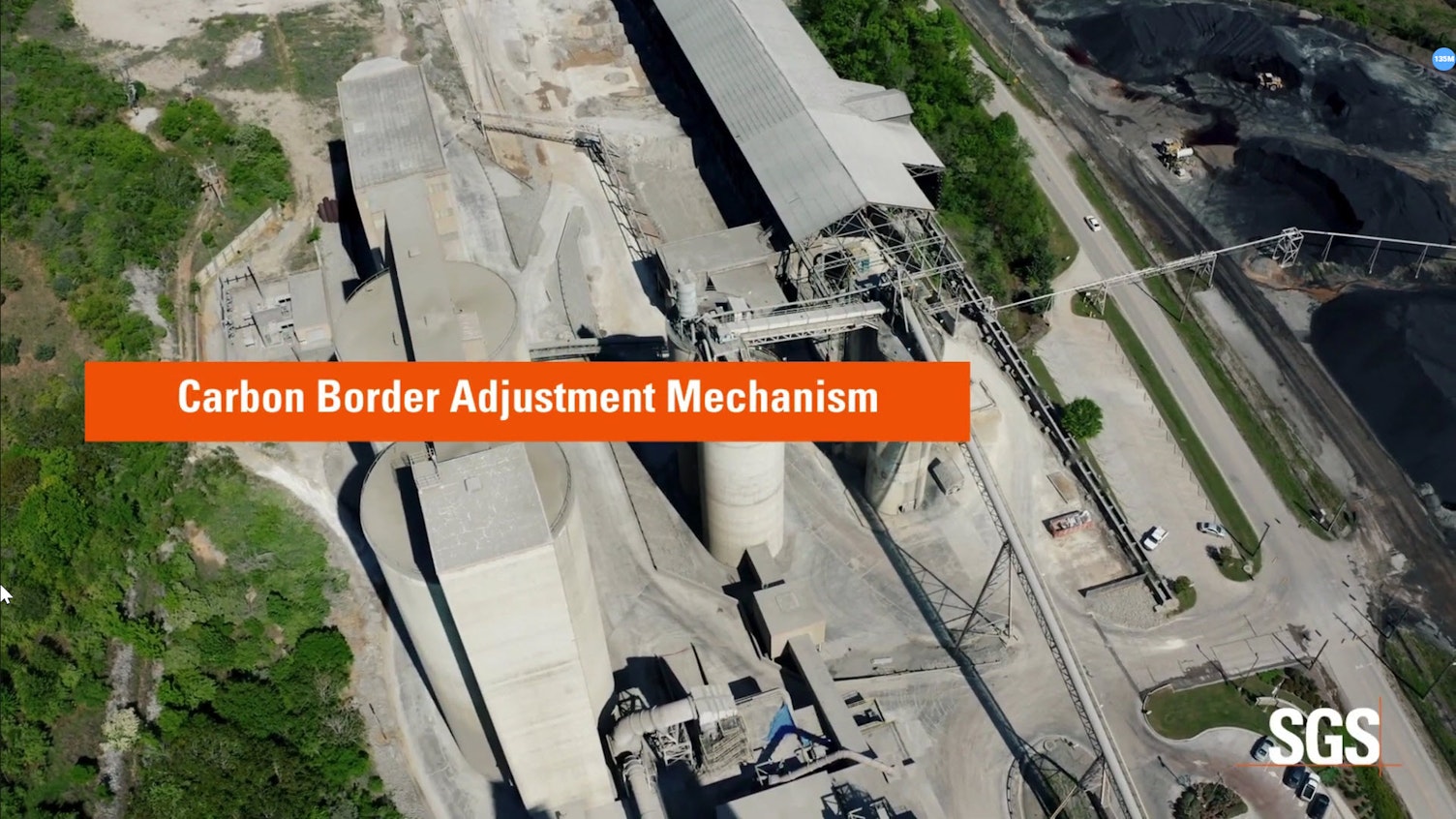
The Carbon Border Adjustment Mechanism (CBAM) regulation addresses carbon leakage from products, goods, derivatives and certain precursors imported into the European Union. The regulation aims to equalize the carbon cost of imported products with that of domestic products. CBAM will be implemented in two phases – the transitional period, from October 31, 2023, and the permanent system, which enters into force on January 1, 2026.
We offer a range of CBAM services to help you meet the requirements – from accounting and gap assessments to verification.
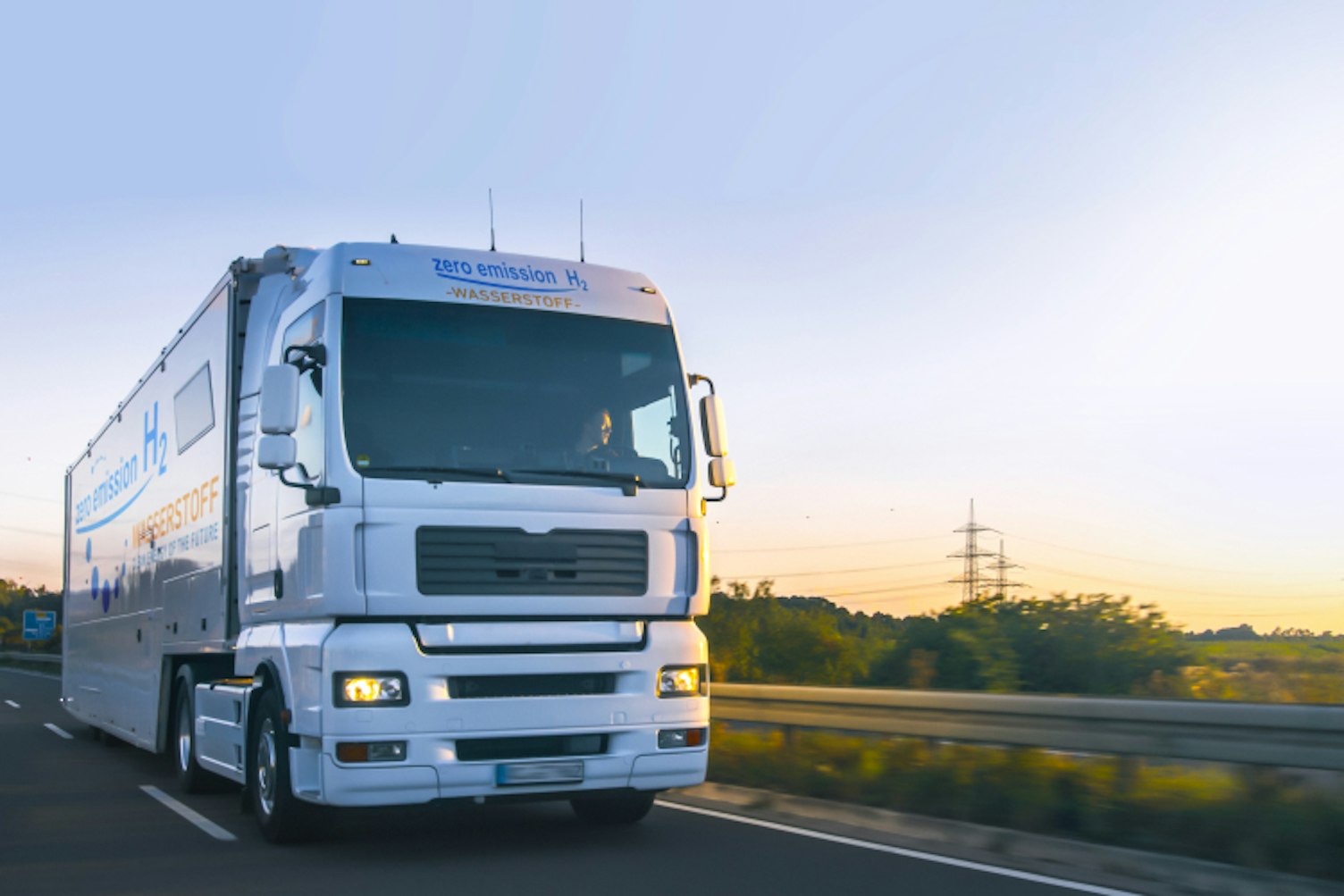
The CBAM regulation covers imports of cement, iron and steel, aluminum, fertilizers, electricity and hydrogen for emissions of carbon dioxide, nitrous oxide and perfluorocarbons. In the future, iron, steel, aluminum and hydrogen will be taxed for direct emissions. Cement, fertilizers and electricity will also be covered, and in the future taxed, for direct and indirect emissions.
The CBAM is likely to cover additional sectors and products and is expected to cover all sectors included in the European Union Emissions Trading Scheme (EU ETS) by 2030.
EU importers are required to apply for authorized CBAM declarant status. Importers can also appoint indirect custom representatives to apply for authorization. Each authorized CBAM declarant will be issued with a CBAM account number.
The CBAM Registry and the Common Central Platform are two key elements of the CBAM regulation. The CBAM Registry includes data on authorized CBAM declarants, operators and installations in non-EU countries. The Common Central Platform will be used for the sale and repurchase of CBAM certificates.

During the transitional period, importers of goods that fall within the scope of CBAM will have to report greenhouse gas emissions embedded in their imports without surrendering CBAM certificates.This transitional period is geared towards information collection to ensure preparedness for the definitive system and to create awareness on what will be required from exporters and importers.
Importers will have to report the embedded emissions in imported goods on a quarterly basis, setting out direct and indirect emissions and any carbon price paid abroad.