A: If it contains cattle, cocoa, coffee, palm oil, soy, rubber, or wood (including packaging), it is covered.
September 29, 2025
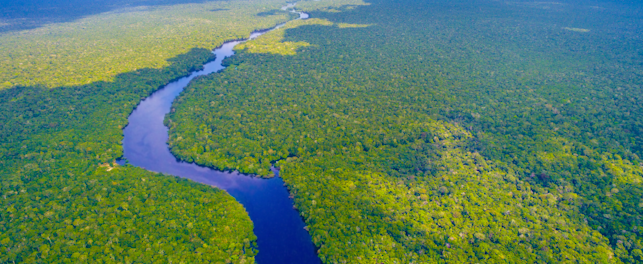
Forests are essential for biodiversity, climate regulation and economic stability. Yet, between 1990 and 2020, the world lost about 420 million hectares of forest - an area larger than the EU itself. The European Union has acknowledged its responsibility, as EU consumption is linked to roughly 10% of global deforestation, particularly through commodities such as palm oil, soy, beef, cocoa, coffee and wood products.
To address this, the EU adopted the EU Deforestation Regulation (EUDR) in 2023. Its aim is clear: ensure that products placed on or exported from the EU market are deforestation-free and produced in compliance with relevant local laws.
For corporate leaders in the Middle East, this is more than a regulatory requirement. It is a strategic opportunity to secure access to a key global market, strengthen ESG positioning and future-proof supply chains.
EUDR Explained in Simple Terms
At its core, EUDR is an EU law that bans products linked to deforestation after 31 December 2020 from entering or leaving the EU market. Whether the forest clearing was legal or not in the country of origin is irrelevant - if it happened after the cut-off date, the product cannot be sold in the EU.
This means companies trading in high-risk commodities must know exactly where their raw materials come from and prove that the land was not deforested after 2020.
Scope of the Regulation
The EUDR applies to seven commodities and derived products:
- Cattle (beef, leather, hides): Linked to pasture expansion driving global deforestation rates.
- Cocoa: Sourced mainly from West Africa, where forest loss is accelerating.
- Coffee: Farms in Latin America and Africa face major deforestation scrutiny.
- Palm oil: Plantations in Southeast Asia remain top contributors to deforestation.
- Soy: Expansion in South America causes significant forest and habitat clearing.
- Rubber: Plantations in Asia are increasingly linked to biodiversity-rich land loss.
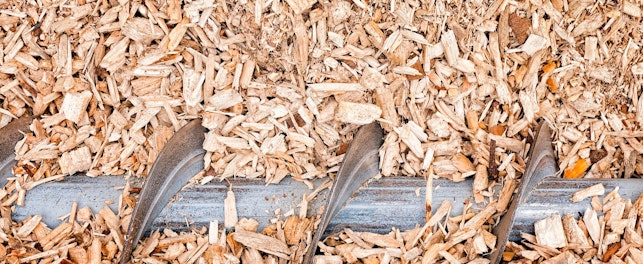
- Wood (timber, pulp, paper, furniture, packaging): Unsustainable logging depletes forests and harms ecosystems globally.
Derived products such as chocolate, tires and leather goods must also comply.
Key Compliance Requirements
EUDR introduces a due diligence system requiring companies to:
- Trace Commodities to Source - Collect precise geolocation coordinates of the land where products were produced.
- Conduct Risk Assessment - Evaluate the risk of deforestation or illegality based on country risk ratings, supply chain complexity, and certification status.
- Mitigate Risks - If more than a negligible risk exists, take corrective measures (e.g., switch suppliers, require certifications, obtain satellite proof).
- File a Due Diligence Statement - Submit through the EU’s central compliance platform before placing products on the EU market. This statement acts as a legal guarantee of compliance.
Timelines and the 2025 Delay
The regulation was initially expected to apply sooner, but implementation was extended to allow businesses time to adapt.
- Large and Medium Enterprises: must comply by 30 December 2025
- Micro and Small Enterprises: have until 30 June 2026
This one-year delay does not change the cut-off date (31 December 2020), but it only provides additional preparation time.
High-Risk Countries and Supply Chains
The European Commission will classify countries into low, standard, or high-risk categories.
- Examples of likely high-risk countries: Brazil (soy, beef), Indonesia and Malaysia (palm oil), Côte d’Ivoire and Ghana (cocoa).
- Low-risk countries may benefit from simplified due diligence, but still require full traceability.
For Middle Eastern companies sourcing raw materials or trading with these regions, supplier engagement is critical.
Why It Matters for the Middle East
The Middle East is a strategic hub for global trade, re-exports and commodity processing. With the EU being one of the region’s largest trading partners, the EUDR will have a direct impact not just on producers, but also on traders, processors, and manufacturers who depend on EU market access.
Who Must Comply?
Compliance is not limited to farmers in tropical countries; it extends across value chains:
- Agriculture & Livestock: Regional beef and leather suppliers as well as soy-based animal feed importers, will need to prove deforestation-free origins to maintain exports and supply agreements.
- Food & Beverage: Middle Eastern coffee roasters, cocoa processors and confectionery producers using palm oil must ensure every bean, pod or drop of oil is fully traceable.
- Manufacturing: Tire producers, rubber goods manufacturers and furniture exporters in the Gulf will be under scrutiny for the origins of their rubber and timber.
- Timber & Packaging: With the region’s large re-export economy, wood, pulp and paper packaging used in logistics and exports must also meet compliance standards.
Crucially, indirect exporters such as trading houses in Dubai, Jeddah, or Doha that sell onward to global firms supplying Europe will face compliance obligations passed down by their EU buyers. In short, if your products touch the EU market in any way, EUDR applies.
Operational Implications
Adapting to EUDR is not just about ticking boxes; it reshapes how businesses manage supply chains:
- Data Systems: Companies must invest in IT tools capable of capturing and storing farm-level geolocation data, satellite maps and supplier documents; a step-change in supply chain transparency.
- Supplier Contracts: Procurement agreements will increasingly require EUDR clauses, audit rights and warranties on deforestation-free sourcing, shifting the balance of responsibility across suppliers.
- Certification Use: While FSC®, PEFC, RSPO and Rainforest Alliance can support compliance, they must be integrated into a broader due diligence framework - certification alone is no shield against liability.
- Logistics & Segregation: Businesses may need to physically separate compliant from non-compliant materials across storage, processing and shipping, raising costs but also creating a clear competitive edge for those who can guarantee compliant batches.
Business Benefits of Early Compliance
Complying with the EUDR is not just about avoiding penalties. For Middle Eastern businesses, it creates a platform for growth, resilience and leadership in global trade. Companies that move early will unlock strategic advantages while competitors scramble to catch up.
Secured EU Market Access - Safeguard and expand trade with one of the world’s most lucrative markets.
Reduced Risk Exposure - Avoid fines of up to 4% of EU turnover, shipment seizures and public blacklisting by EU authorities.
Enhanced ESG Positioning - Showcase leadership in sustainability, strengthening brand reputation, investor confidence and stakeholder trust.
Supply Chain Visibility - Gain deeper insight into supplier practices, improving resilience and risk management across operations.
Global Alignment - Stay ahead of similar deforestation-free regulations emerging in the UK, US and other major markets.
Frequently Asked Questions (FAQ)
A: No. The regulation applies globally to any product entering the EU.
A: Geolocation data, legal documents, chain-of-custody records, and independent verification.
A: Those goods cannot enter the EU; you must switch or remediate sources.
A: Through the EU’s online compliance platform, where due diligence statements are filed.
A: Certifications like FSC, RSPO, or Rainforest Alliance help mitigate risk, but they do not replace the EUDR due diligence process.
A: Yes. SMEs have until June 2026, but no exemption.
A: Yes. The EU will use satellite monitoring, DNA testing and systematic inspections, with penalties including fines, seizures, and public blacklisting.
A: Absolutely. Any product containing covered commodities must comply.
How SGS can help with EUDR
Combining our decades of forestry, food industry, supply chain, sustainability and training expertise, we can support your EUDR compliance, whatever your organization’s size, sector or EUDR maturity.
Ensure your EUDR success
Contact us today, wherever you are on your EUDR journey.

Stay informed. Subscribe now.
For exclusive insights on management systems, ISO standards and sustainable business growth, subscribe to our monthly email newsletter.
About SGS
SGS is the world’s leading Testing, Inspection and Certification company. We operate a network of over 2,500 laboratories and business facilities across 115 countries, supported by a team of 99,500 dedicated professionals. With over 145 years of service excellence, we combine the precision and accuracy that define Swiss companies to help organizations achieve the highest standards of quality, compliance and sustainability.
Our brand promise – when you need to be sure – underscores our commitment to trust, integrity and reliability, enabling businesses to thrive with confidence. We proudly deliver our expert services through the SGS name and trusted specialized brands, including Brightsight, Bluesign, Maine Pointe and Nutrasource.
SGS is publicly traded on the SIX Swiss Exchange under the ticker symbol SGSN (ISIN CH1256740924, Reuters SGSN.S, Bloomberg SGSN:SW).