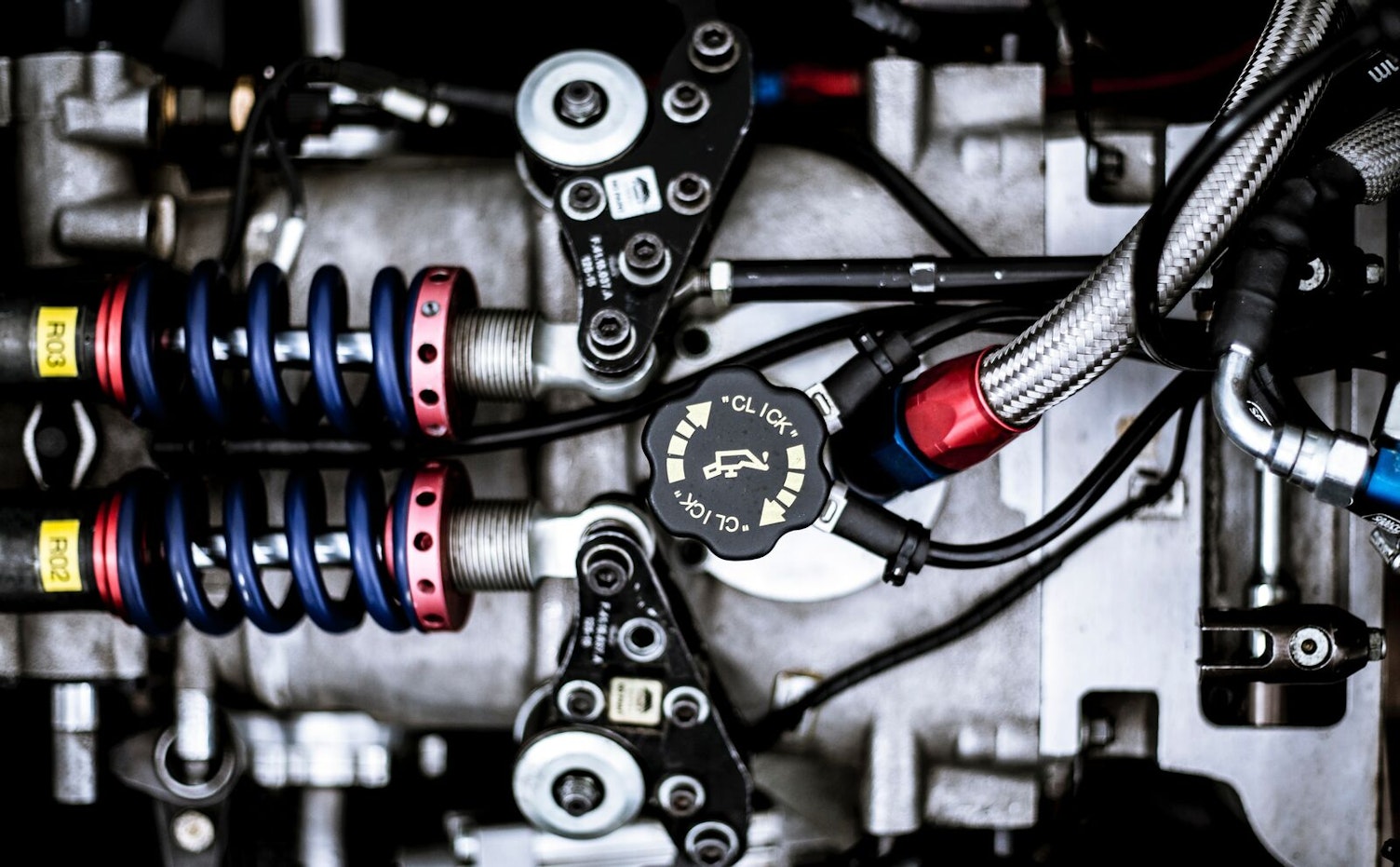
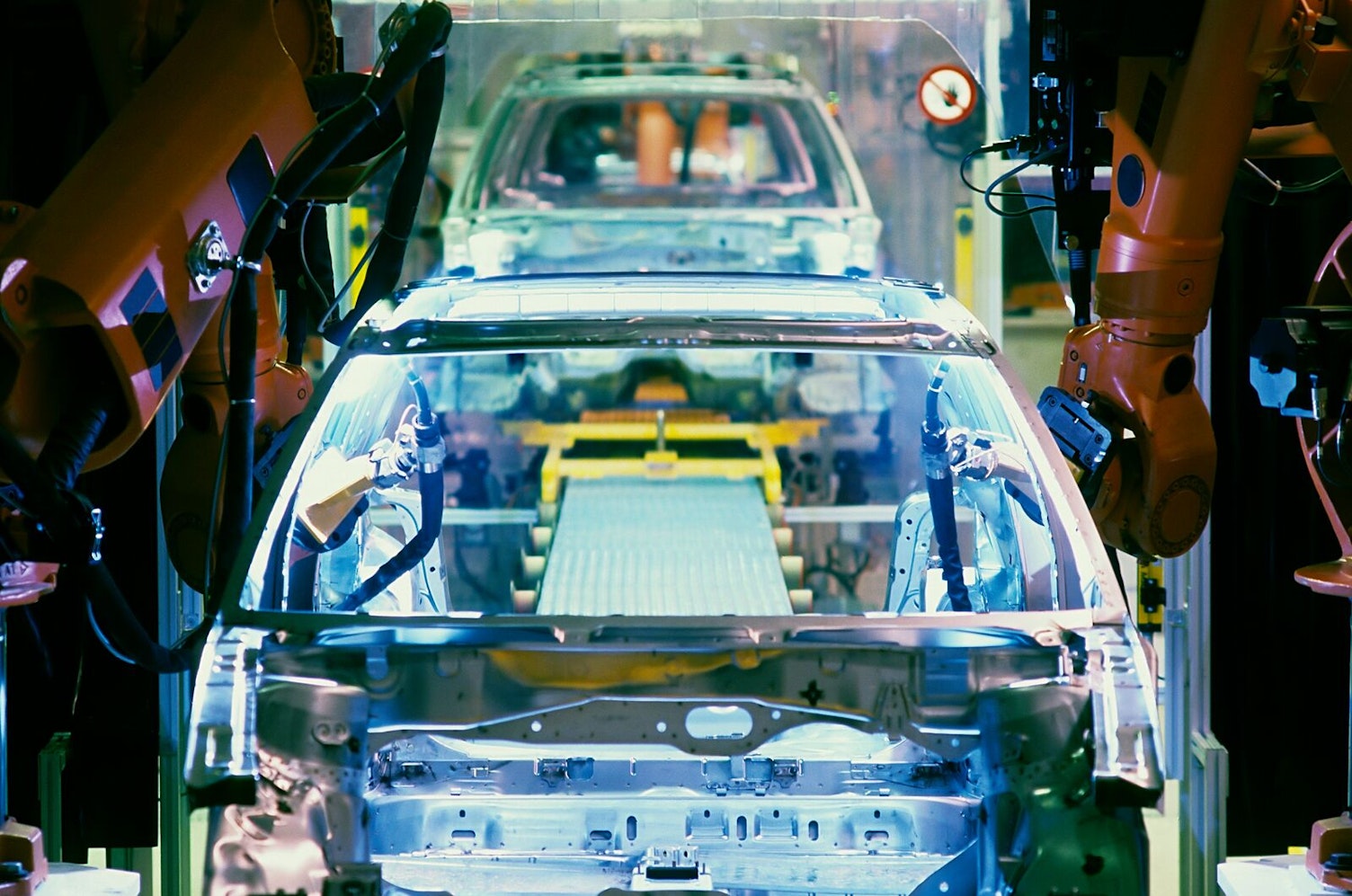
Motor manufacturers need to produce vehicles that are safe for drivers and passengers, as well as being aesthetically pleasing and built to last. Numerous standards and regulations exist to help manufacturers achieve these goals. Our automotive testing services include durability tests, as well as tests for cleanliness and fire safety.
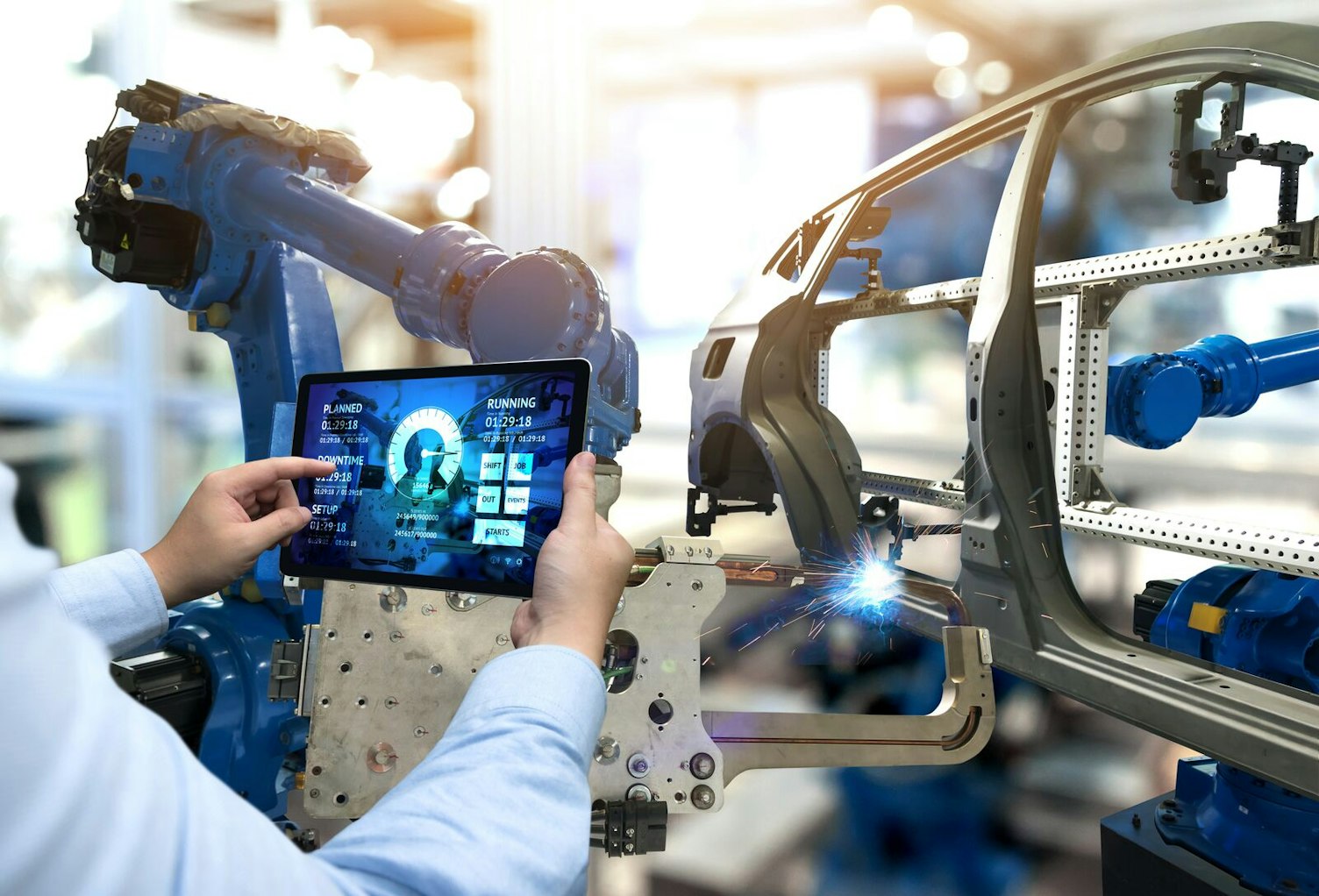
Mechanical characterization, or physical testing, determines the physical properties of materials. These tests are vital for vehicle safety and compliance; the materials tested include plastics, metals, rubbers, paintings and coatings.
Mechanical characterization
We have the equipment and expertise to perform mechanical tests including:
- Static and dynamic properties of materials from -40 to 400°C
- Tensile, compression, bending, torsion, tear strength, sheering 90° and 180° peeling, creep, fatigue and endurance (ISO 527, ISO178, ASTM D695)
- Pendulum shocks (Charpy/Izod) for non-instrumented impact (ISO6603-1, ISO179, ISO180)
- Multiaxial shock for instrumented impact (ISO6603-2)
- Hardness (Shore, Rockwell, Persoz, Vickers, Brinell, Barcol, Knoop)
- Micro and ball indentation
- Pressure testing
Please ask for the full list of international and original equipment manufacturer (OEM) standards we test against.
Appearance testing
We have a multitude of equipment and test methods for assessing the ability of parts and materials to resist visible damage from:
- Abrasion
- Rubbing
- Washing
- Impact
- Chipping
- Falling sand abrasion
- Shot blasting and gritting
- Staining
- Soaking or spraying with fluids including volatiles, fuels and oils
Please contact us for a full list of international and OEM standards we test against.
Thermal analysis
We also help manufacturers test and benchmark materials (specifically plastics and composites) for their thermal and physical properties. These tests include:
- FTIR: Fourier transform infrared spectroscopy
- DSC: Differential scanning calorimetry (ISO 11357)
- TGA: Thermogravimetric analysis (ISO 11358, ASTM D3850)
- MFI: Melt flow index (ISO 1133, ASTM D1238)
- DMA: Dynamic mechanical analysis (ISO 6721, ASTM D7028, ASTM D4065)
- TMA: Thermo mechanical analysis (ISO 11359, ASTM E1545)
- Density (ISO 1183, ASTM D792, ASTM D1622)
- Ash content (ISO 6451, ASTM D5630)
- VST: Vicat softening temperature point and HDT: heat deflection temperature (ISO 306, ASTM D1525 / ISO 75, ASTM D648)
- Air permeability (ASTM D3985)
Please ask for the full list of international and OEM standards we test against.
Fire testing
To be compliant with safety regulations, manufacturers must check the flammability of materials according to FMVSS 302 or EEC 118 as well as their own specifications. The horizontal combustibility test determines the combustion speed of materials. In addition to this test, we can perform vertical combustibility tests.
We also provide another safety fire test focused on the glow wire test. This is an electrical safety test designed to evaluate the flame-resistant properties of plastic materials used in electrical devices. Its purpose is to protect against the risk of fire from overheated or electrically energized parts which may cause the plastic material to ignite.
Please ask for the full list of manufacturers’ standards we test against.