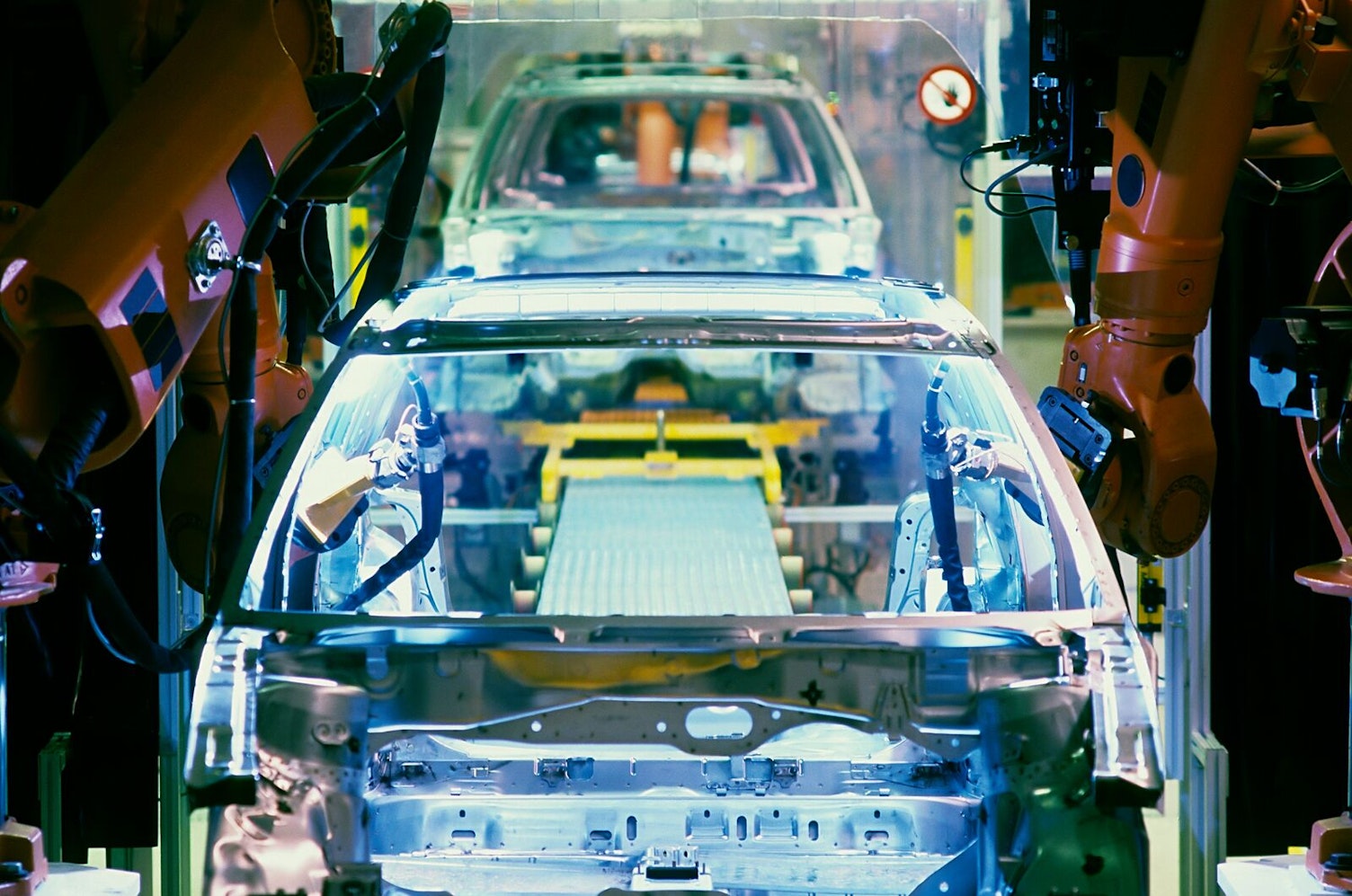
Recent years have seen a huge increase in the use of advanced functionalities in vehicles. These rely on sensing, processing of complex algorithms and actuation by on-board electrical and/or electronic (E/E) systems.


Looking for something specific?
Search within SOTIF
For some systems, which rely on sensing the external or internal environment, potentially hazardous behavior can be caused by the intended functionality or performance limitations of a system that is free from the faults addressed in the ISO 26262 series. Examples of such limitations include:
- The inability of the function to correctly comprehend the situation and operate safely; this also includes functions that use machine learning algorithms
- Insufficient robustness of the function with respect to sensor input variations or diverse environmental conditions


The absence of unreasonable risk due to these potentially hazardous behaviors related to such limitations is defined as the safety of the intended functionality (SOTIF). Functional safety (addressed by the ISO 26262 series) and SOTIF are distinct and complementary aspects of safety.
Since 2022, ISO 21448 has been available as an international guideline that describes a structured recommendation on the subject of SOTIF. Especially with regard to the introduction of autonomous driving in several stages, this standard is a valuable orientation aid for a responsible process-related and technical implementation of the new challenges.
What SOTIF-related services does SGS provide?
We offer a wide range of SOTIF services, for processes and products, including:
- SOTIF training
- SOTIF personal certification
- SOTIF Professional (SOTIF PRO)
- SOTIF EXP
- SOTIF consulting
- SOTIF assessments, audits and certification
The AI challenge
We are ready to consider all aspects in context with the implementation of artificial intelligence (AI). For this reason, a new standard for the safeguarding of AI, ISO PAS 8800 Road vehicles – Safety and artificial intelligence, has been developed with the involvement of SGS-TÜV. This document deals with the risk of undesired safety-relevant behavior at vehicle level due to initial insufficiencies, systematic errors and random hardware errors of AI elements within the vehicle. This also includes interactions with AI elements that are not part of the vehicle itself but can have a direct or indirect impact on vehicle safety.