Digitalization in real estate is the basis for continuous improvement in future construction, operation, transaction and recycling processes. In order to reduce the real estate market’s CO2 impact, all buildings require a certain level of digitalization so that improvement needs can be identified continuously.
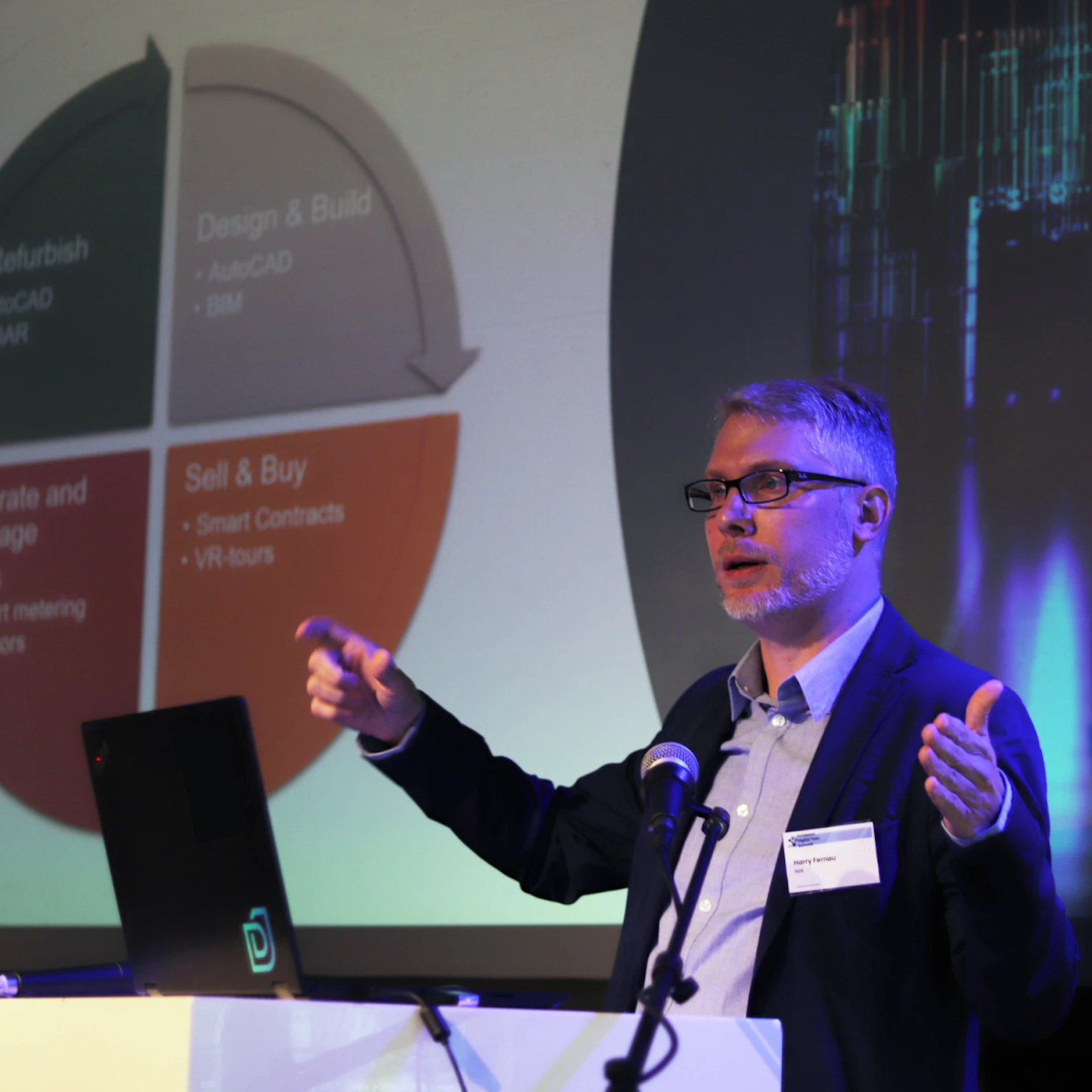
Digitalization has been a part of real estate development for many years – technologies such as CAD and BIM are already widely used in new building construction. The real estate market is becoming even more digital by implementing new technologies and starting to standardize communication protocols.
Digitalization throughout the building life cycle
Throughout a building’s life cycle, real estate assets go through phases of design and construction, operation and maintenance, retrofitting and refurbishment, ownership changes and, ultimately, demolition and recycling. All real estate assets around the world are currently in at least one of these phases right now, with the majority of buildings in the operation and maintenance phase.
Without a doubt, the use phase of an asset is the longest phase in a building’s life cycle. Therefore, significant savings can be achieved throughout this phase. In order to ensure regular, continuous improvement, building data must be transported into digital models.
Digital tools and technology for digitalization
The most commonly known digital tools used in real estate include:
- Building management systems (BMS), which have been implemented in new constructions for over 10 years now
- Building information models (BIMs) which are required in construction tenders in many regions of the world
- Virtual reality tours, which are becoming standard in sales of residential real estate
Within homes, smart home appliances that, for example, use sensors to provide lighting and heating control, have been available for many years.
In addition to these already well known technologies, new technologies are developed every year. These include LIDAR sensors, which can improve digitalization efforts during refurbishment and reconstruction. Smart meters, for sub-metering, allow a granular review of quantitative consumption data during the use phase. The effective use of sensor technology enables real-time based automations in currently non-automized building systems.
These technologies rely on data input from a variety of sources, including:
- BIMs
- Sensors
- Metering
- LIDAR scans
- Data processing in a BMS
- Automation platforms
This data can be used for forecasting and then fed back into data input scenarios, closing the data cycle.
In the future, all systems will have to work together, speak a unified digital language and allow for brand-independent accessibility. This requires standards that are defined, set and followed.
Where should we be in 10 years?
Our goal should be a fully digitalized design and construction phase, with complete deployment of a BIM. This requires sustainability data for all products provided by construction material manufacturers, as well as the standardization of all processes and definitions of data requirements. All of this will entail a huge effort.
During the building operation phase, the focus must be on making existing buildings as intelligent and as digital as possible. Sensor technology needs to be implemented in existing buildings, no matter how old these buildings are. Automation platforms need to be available to make maintenance programs more efficient and enable automation that is based on real-time data monitoring.
Refurbishment projects require a focus on digitalizing building structures in BIMs, to ensure the continuous provision of as-built data. For example, the exact location of pipes in existing building structures will have to be digitalized throughout the refurbishment cycles, when there is access inside the wall.
To facilitate all of this, contractual requirements for transactions, refurbishment, construction, design and operations must include KPIs that focus on operations and the use of available digital data to automate processes and increase efficiencies.
What needs to change?
While many technologies are currently available to speed up the real estate market’s transformation to a more digital environment, we still have a long way to go. We are missing:
- Commitment from all parties to focus on digitalization as a basis for a sustainable future
- Standardization of data protocols and languages to ensure connectivity of all building parts and during all phases
- Focus on the built environment, which is the biggest portion of the market, with the digitalization of existing building structures over time
The future is approaching fast. To keep up, we need to transform all real estate assets – for both new and existing buildings – into digital models that use real-time data to optimize processes, increase resource efficiency and meet CO2-saving targets.
For further information, please contact:
Harry Fernau
SGS Industries & Environment
Global Market Manager
t: +43 664 255 71 05
Related Links

Units 303 & 305, 3/F, Building 22E,
Phase 3, Hong Kong Science Park,
Pak Shek Kok, New Territories, Hong Kong, China