Contact

What are you looking for?

Loading component...

Biofuels & E-Fuels

Comply with regulatory frameworks for the quality and sustainability of biofuels and e-fuels with testing, verification and certification services from SGS.

Biofuels play an increasingly important role in the global energy transition, supported by regulatory frameworks and decarbonization commitments across all transportation sectors.

First-generation biofuels such as biodiesel (FAME – fatty acid methyl ester) and bioethanol, blended with diesel and gasoline, are widely used in automotive transport. However, increasing blend percentages can create technical and operational issues. As a result, a new generation of renewable and synthetic fuels is emerging for use across the road, marine and aviation sectors.

We offer independent testing, verification and certification services for biofuels and e-fuels to ensure quality, sustainability and compliance, supporting the entire life cycle, from feedstock to final product.
Benefits of biofuels and e-fuels testing, verification and certification

  • Comply with regulations

    We help you ensure compliance with national and international product quality standards and specifications.

  • Protect the environment

    We verify that your products’ sustainability claims are justified and meet GHG emission reduction targets.

  • Ensure safety

    We detect contaminants and other undesirable components that could pose a risk to safe handling and use of fuels.

  • Reduce costs

    We help you minimize waste and avoid recalls and damage to equipment and reputation.

  • Build consumer and stakeholder trust

    We ensure credibility through independent third-party verification.

Discover our services

  • Testing and compliance

    We verify and certify product quality and compliance with regional and international standards, supporting the entire lifecycle, from feedstock to final product, so you can operate with confidence.

  • Biogenic Content Analysis

    We provide carbon-14 isotope analysis using both liquid scintillation counting (LSC) and accelerator mass spectrometry (AMS) as per DIN 51637:2014-02, ASTM D6866 and EN 16640 standard methods, to determine the exact percentage of biogenic carbon in fuels and fuel blends. Learn more

  • On-site laboratory solutions

    Our laboratory engineering, procurement and commissioning (Lab-EPC) solutions and on-site laboratory solutions allow you to focus on your core activities, such as plant management and operations. Learn more

Regulatory compliance support

Why SGS?

Ass the world’s leading testing, inspection and certification company, we combine global reach with technical expertise and regulatory knowledge. We provide independent testing, based on internationally recognized EN, ISO and ASTM standards, using reliable, accurate and accredited physical and chemical analysis methods.

Our laboratories operate under ISO 9001 and ISO/IEC 17025 quality systems and are equipped with advanced technologies to support testing and verification across the renewable fuel value chain. We help producers and traders optimize operations, verify sustainability claims and support confident decision-making.

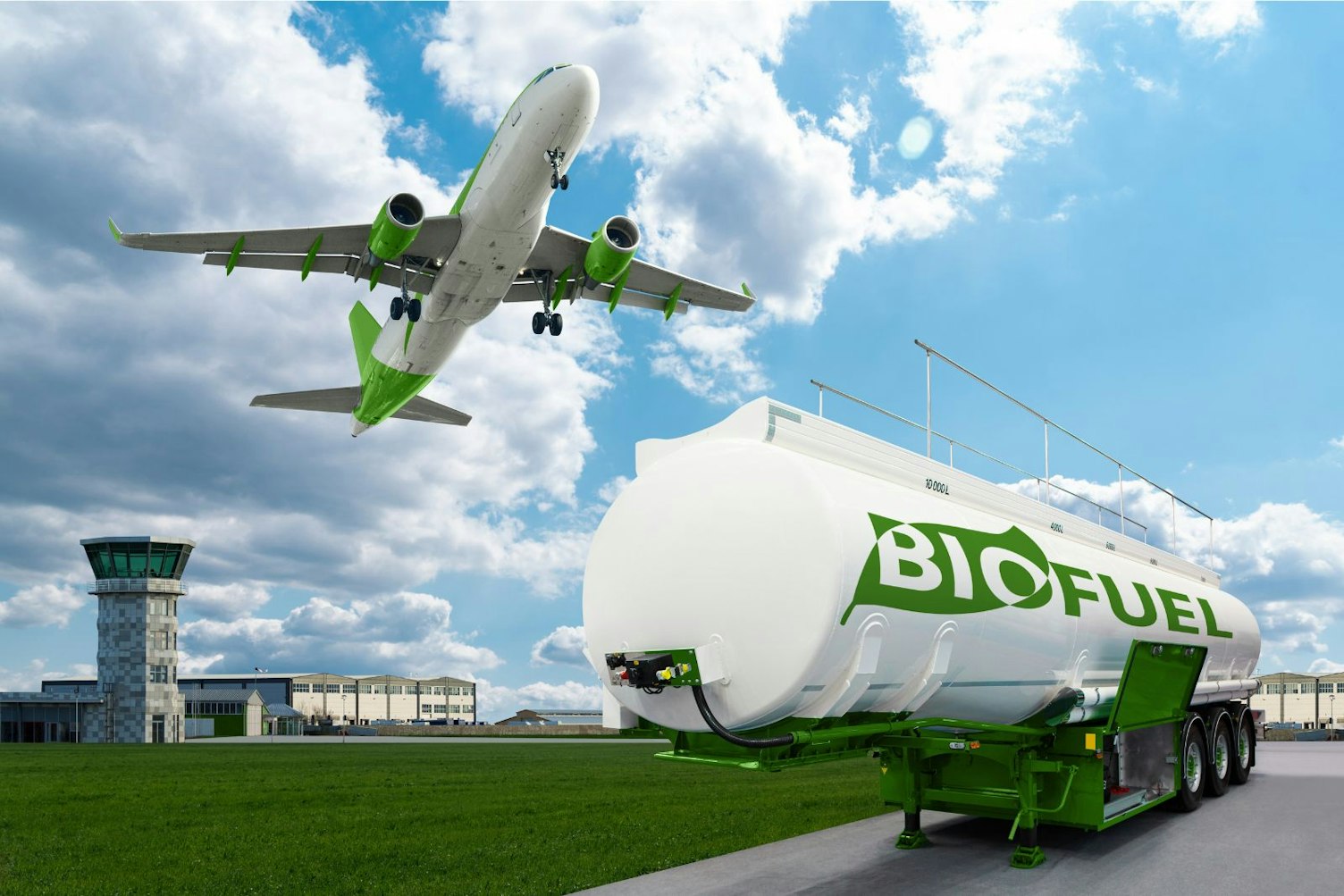
Airplane Flying above Biofuel Tank at an Airport

FAQs

We provide testing and verification solutions for:

  • FAME (B100) and bioethanol and blends in automotive and marine fuels
  • Biomethanol and e-methanol
  • Hydrotreated vegetable oil (HVO) and blends in automotive diesel
  • Synthetic blending components (SBC) and blends in sustainable aviation fuel (SAF)
  • E-SAF (P2X fuels)
  • Green hydrogen
  • Biofuels blended in marine fuels

Applied across key economic sectors, European RED II set ambitious targets for renewable energy adoption across Europe. With RED III, the collective target for energy consumption is raised to 42.5%. For the transportation sector, this target increases to a goal of 29% (energy content) and 14.5% (GHG reduction) implementation by 2030, accelerating the development of fuels such as green hydrogen, RFNBO-based synfuels and advanced biofuels.

SGS offers trusted, independent testing solutions to support RED compliance.

The Carbon Offsetting and Reduction Scheme for International Aviation (CORSIA), introduced by the International Civil Aviation Organization (ICAO), promotes the use of sustainable aviation fuels (SAF) and e-SAF to reduce aviation emissions.

To obtain ISCC CORSIA certification SGS audits the entire production and supply chain to verify ISCC CORSIA sustainability and compliance claims.

The 2023 IMO Strategy on Reduction of GHG Emissions from Ships, introduced by the International Maritime Organization (IMO), outlines a vision to combat greenhouse gas emissions from global shipping by setting a target to reduce CO2 emissions by at least 40% by 2030, compared to 2008 levels. Biofuels and other alternative fuels play a key role in achieving these goals, in part due to their “drop-in” capability, meaning that they can be used in existing fleets.

Testing and verification services from SGS can help ships meet IMO emissions targets.

News & Insights

  • SGS - Georgia - Batumi

21, Luka Asatiani str,

6000,

Batumi, Georgia