Previously, we discussed Oil Condition Monitoring (OCM) as a tool for improving equipment reliability.
In practice, its value becomes even more evident when applied to real operational risks.
Temperature fluctuations, high dust exposure, intensive operating cycles, and remote industrial sites all place additional stress on equipment. In such environments, even minor deviations in system performance can accelerate wear and lead to failures.
What really stands behind equipment failures
Most failures do not occur suddenly. They are preceded by a gradual accumulation of changes that are reflected in the condition of the lubricant.
In practice, condition monitoring helps identify a range of critical and recurring issues. These include water ingress (including coolant contamination), dust and particulate contamination, overheating, oil oxidation, and combustion-related anomalies. Operational errors are also frequently detected, such as the use of incorrect lubricants, improper top-ups, or insufficient filtration.
Across different equipment types, these issues manifest in different ways. For example, engines are typically affected by fuel dilution and incomplete combustion by-products, transmissions are prone to contamination and bearing wear, while hydraulic and turbine systems often experience oxidation, cavitation, and deposit formation.
Despite these differences, they share one common factor: at an early stage, all these conditions can be detected through oil analysis – before they develop into serious failures.
Why this is especially relevant
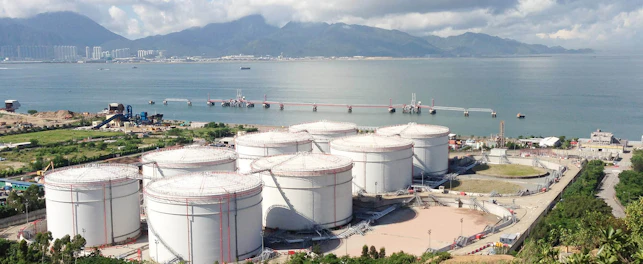
Industrial operations often take place under conditions where equipment is exposed to elevated stress levels. Rapid temperature changes, dusty environments, high operational intensity, and geographically remote assets all complicate maintenance activities and increase the cost of downtime.
In such environments, a reactive maintenance approach—where repairs are performed only after failure—becomes inefficient and costly. Data-driven predictive diagnostics enable a more controlled and proactive maintenance model.
Lubricant condition monitoring not only provides visibility into current equipment health but also enables tracking of degradation trends over time. This is particularly important for remote sites and mission-critical assets.
OCM as a driver of cost reduction and performance improvement
In practice, OCM has a direct impact on key operational performance indicators. Early detection of anomalies allows organizations to plan maintenance activities in advance and avoid unplanned shutdowns.
This results in reduced repair costs, minimized downtime, and more efficient resource utilization. In addition, it enables optimization of lubricant change intervals.
As a result, organizations gain both technical and economic benefits: extended asset lifetime, reduced strain on maintenance teams, and improved overall operational efficiency.

SGS expertise: global scale and local presence
SGS operates the world’s largest OCM network, analyzing more than 2 million lubricant samples annually. This scale creates a unique global dataset, enabling highly accurate interpretation of diagnostic results across different equipment types and operating conditions.
SGS solutions cover the full monitoring lifecycle – from laboratory analysis to digital platforms such as SOFIA, which provide seamless access to data and analytics. Standardized methodologies, accredited laboratories, and global quality assurance programs ensure consistent and reliable results.
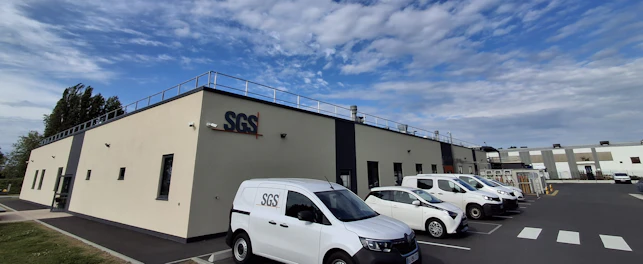
In the Caspian region, SGS has been operating for more than 30 years and employs over 1,000 specialists. A well-established laboratory network, including lubricant analysis capabilities, enables fast and high-quality support tailored to local operational requirements.
From diagnostics to reliability management
Whether you are already using OCM or considering its implementation, building an effective monitoring system requires alignment with your specific equipment profile and operating environment. SGS experts are ready to support you with solutions tailored to your operational needs.
Contact us by completing the web form, and our specialists will be pleased to assist you.
About SGS
SGS is the world’s leading Testing, Inspection and Certification company. We operate a network of over 2,500 laboratories and business facilities across 115 countries, supported by a team of over 100,000 dedicated professionals. With more than 145 years of service excellence, we combine the precision and accuracy that define Swiss companies to help organizations achieve the highest standards of quality, compliance and sustainability.
Our brand promise – when you need to be sure – underscores our commitment to trust, integrity and reliability, enabling businesses to thrive with confidence. We proudly deliver our expert services through the SGS name and a portfolio of trusted specialized brands, including Applied Technical Services, Brightsight, Bluesign and Nutrasource.
SGS is publicly traded on the SIX Swiss Exchange under the ticker symbol SGSN (ISIN CH1256740924, Reuters SGSN.S, Bloomberg SGSN SW).