
Contact

What are you looking for?

EU PPWR Compliance: Packaging Testing, Recyclability and Documentation

Comply with EU PPWR packaging requirements, maintain access to EU markets and strengthen your sustainability credentials.

The EU Packaging and Packaging Waste Regulation (EU PPWR – Regulation (EU) 2025/40) came into force on February 11, 2025, with a general application date of August 12, 2026. It replaces directive-based guidance with directly applicable legal requirements, introducing strict controls across the packaging lifecycle to reduce packaging waste, ensure recyclability, limit hazardous substances and scale reuse systems. This marks a significant shift for manufacturers, distributors, retailers and brands placing packaging or packaged products on the EU market.

We help you navigate this shift. Our EU PPWR services support compliance across material testing, recyclability, recycled content and technical documentation, helping you maintain access to EU markets, optimize your supply chain and strengthen your product credibility.

Our PPWR compliance services

  • Material characterization and performance testing
    We validate that alternative and sustainable materials meet required mechanical and functional standards.
  • Recyclability assessment
    We measure real-world recycling performance in line with international methodologies.
  • Plastic-free identification and compostability testing
    We confirm claims for paper-based and compostable packaging.
  • Recycled content (PCR) verification
    We ensure data authenticity, combining laboratory analysis with on-site audits.
  • Substances of concern testing
    We test for heavy metals (lead, cadmium, mercury, chromium) and PFAS, including total fluorine, in food contact packaging.
  • PPWR gap analysis and readiness assessment
    We review your current products against the requirements for compliance.
  • We also support:
    Packaging classification, traceability of recycled content, packaging minimization, reusable packaging systems, labeling readiness, technical documentation, Declaration of Conformity preparation and EPR readiness.

Substances of concern (heavy metals and PFAS)

To achieve PPWR compliance, the presence and concentration of substances of concern in packaging materials and components must be limited. The regulation places specific limits on four heavy metals – lead, cadmium, mercury and hexavalent chromium – and on per- and polyfluoroalkyl substances (PFAS) in food contact packaging.

We offer testing services to help you ensure packaging chemical compliance, including heavy metals packaging testing for lead, cadmium, mercury and chromium, and PFAS packaging testing, including total fluorine testing, to help you stay within food contact packaging limits.

Young lady scientist in Testing Laboratory Fairfield USA
FAQ: What You Need to Know About the EU Packaging and Packaging Waste Regulation (PPWR)

Recycled content

The EU PPWR establishes minimum recycled content targets for most plastic packaging and requires traceability and verifiable documentation. We offer recycled packaging content testing, packaging recyclability assessments and verification, and recycled content certification to validate and demonstrate the inclusion of recycled materials in your products. We also provide EN 15343 certification for plastic recycling and RecyClass circular packaging certification.

Which packaging is in scope?

The EU PPWR covers all packaging and packaging waste placed on the EU market, regardless of material, sector or origin. Packaging refers to any item intended for the containment, protection, handling, delivery or presentation of products, but not an integral part of the product itself.

  • Primary packaging
    Packaging for the end user, such as bottles, boxes, wrappers and labels.
  • Secondary packaging
    Packaging that groups multiple sales units, including multipack wraps, display cartons and shelf-ready packaging.
  • Tertiary packaging
    Packaging needed for transport, such as shipping cartons, pallets and stretch film.
  • All packaging waste
    From collection through to recycling and recovery, and packaging components are considered packaging in their own right.
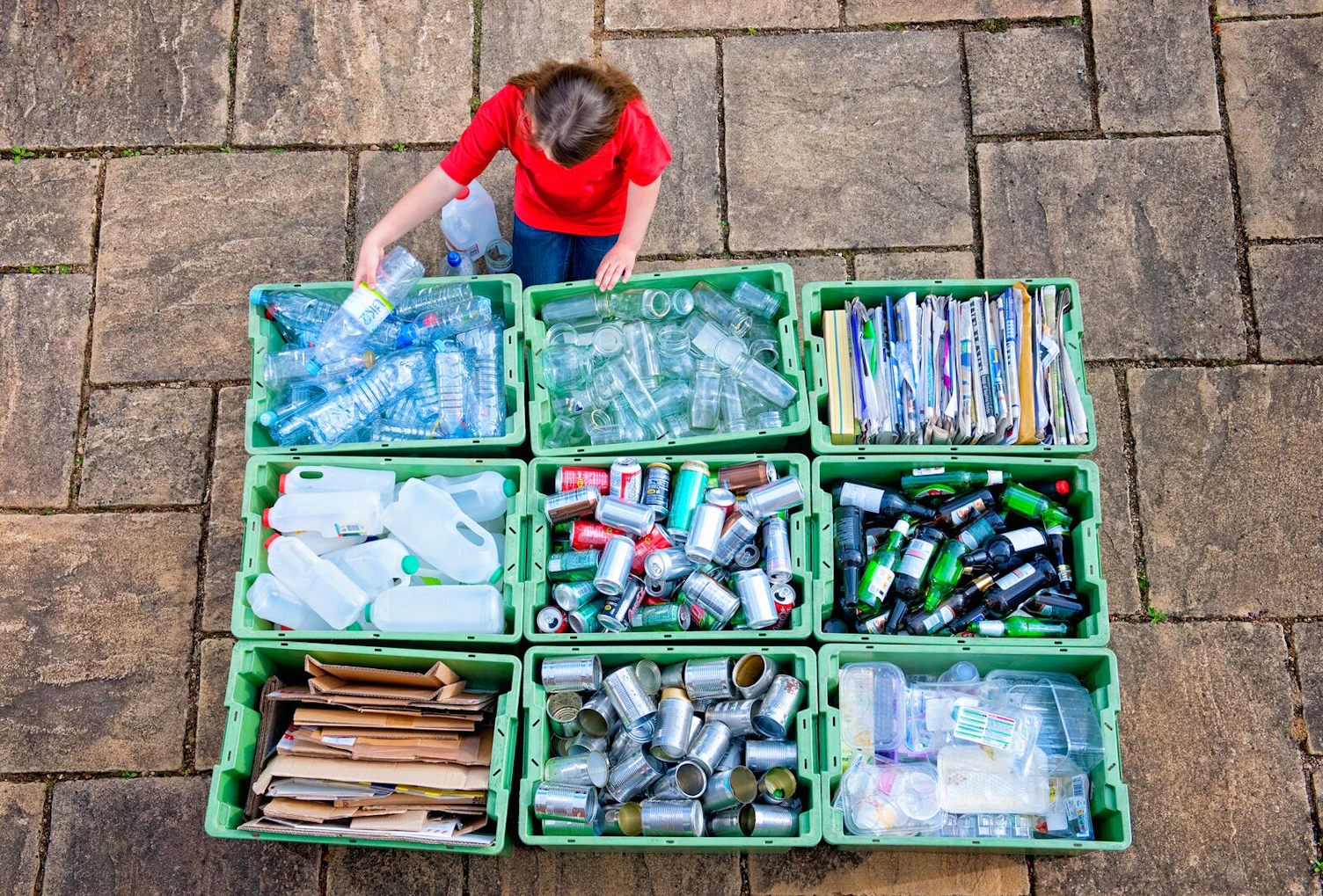
Girl organizing recycling bins

Which businesses are affected?

Compliance is mandatory for all businesses that place packaging on the EU market, whether the packaging is EU-made or imported, B2B or B2C, empty or filled. This includes:

  • Manufacturers
  • Importers
  • Distributors
  • Retailers
  • Online marketplaces
  • Fulfillment service providers
    ​

If your business fills, imports, brands, distributes or places packaging or packaged products from a third-party supplier on the EU market, compliance responsibility extends to you.

Sectors

We offer EU PPWR testing and assessment services across the following sectors:

  • Consumer goods
    Portfolio assessment, compliance gap identification and packaging performance verification across household goods, toys, furniture, DIY, sports and leisure products.
  • Cosmetics and personal care
    Compliance support for sustainable cosmetics packaging, including recycled content requirements.
  • E-commerce and retail
    Transport packaging testing covering minimization and empty space ratio rules, including performance, lightweight and ISTA testing.
  • Electrical and electronics
    Compliance assessment covering recyclability, material restrictions, labeling and documentation for fragile, high-value and technology products.
  • Food and beverage
    PFAS and recycled plastics testing for food contact packaging, migration testing and Declarations of Conformity.
  • Industrial products
    Compliance assessment covering material selection, recyclability, labeling and documentation for industrial packaging.
  • Pharma and healthcare
    Compliance support for pharmaceutical and medical packaging, including recyclability testing.
  • Textiles
    PPWR readiness, material review and recyclability, recycled content and labeling verification for apparel, footwear and textile packaging.

FAQs

The EU PPWR (Regulation (EU) 2025/40) governs packaging across its entire lifecycle. It covers all packaging and packaging waste, whatever the material or origin, and sets requirements for the manufacturing, composition and reusable or recoverable nature of packaging placed on the EU market. It replaces Directive 94/62/EC, the Packaging and Packaging Waste Directive.

As a Regulation, the PPWR applies in all Member States without transposition, harmonizes product rules and adds recycled content quotas, recyclability grading and mandatory Declarations of Conformity.

All packaging and packaging waste is covered, regardless of material or origin – sales, grouped, transport, service and e-commerce packaging, plus packaging components. Exclusions include packaging that is integral to the product and certain industrial packaging. Scope extends to manufacturers, importers, distributors, retailers, online marketplaces and fulfillment service providers, whether packaging is EU-made or imported, B2B or B2C, empty or filled – including businesses that fill, brand, import or place packaging sourced from a third-party supplier.

The PPWR entered into force on February 11, 2025 and generally applies from August 12, 2026. From that date, obligations include a mandatory Declaration of Conformity (DoC) plus technical documentation per packaging type, limits on PFAS in food contact materials and on heavy metals, packaging minimization, basic recyclability, and verification of producer compliance data via an online platform. Labeling, recyclability grades, recycled content quotas, minimization, reuse targets and empty space requirements phase in from 2027 onwards.

From August 12, 2026, manufacturers must prepare a written EU DoC for all packaging and packaging materials placed on the EU market, supported by a technical file per packaging type covering, at minimum: packaging description and design information, standards and specifications, compliance assessments and substance evidence, the EU DoC, and EPR registration and labeling proofs. Documentation must be retained for at least five years for single-use packaging, or ten years for reusable packaging, and made available to regulators on request.

The sum of lead, cadmium, mercury and hexavalent chromium must not exceed 100 mg/kg. For food contact packaging, from August 12, 2026, individual target PFAS cannot exceed 25 ppb, the sum of targeted PFAS cannot exceed 250 ppb, and total PFAS cannot exceed 50 ppm. Existing EU food contact and food safety laws continue to apply alongside these limits.

Recyclability is graded from A (≥95%) to E, based on the proportion of the packaging unit, by weight, that can be effectively recycled. From January 1, 2030, packaging needs to be at least grade C (≥70%) to be placed on the EU market; from 2038, grade B (≥80%). Minimum recycled content targets apply to most plastic packaging from 2030, with traceability and verifiable documentation required.

From January 1, 2030, packaging weight and volume must be reduced to the minimum necessary for protection, hygiene and safety, with features designed to increase perceived product volume prohibited. From the same date, e-commerce packaging is limited to a maximum empty space ratio of 50%. From August 12, 2028, packaging must carry a harmonized, pictograph-based label showing its composition, and from February 12, 2029, reusable packaging must be labeled as reusable and carry a QR code providing collection point information.

The manufacturer of the packaging or packaged product carries the main responsibility – assessing conformity, preparing technical documentation and drawing up the EU DoC. Importers and distributors must verify these, and count as manufacturers if they sell under their own brand or modify packaging in a way that affects compliance. Under extended producer responsibility (EPR), producers bear financial responsibility for their packaging's entire lifecycle, including collection, storage, recycling and disposal, with fees modulated by recyclability, recycled content, reusability and substances of concern.

Our PPWR gap analysis and readiness assessment reviews your products, identifies gaps and advises on corrective actions – typically a few weeks for a small, single-market range, and longer for multi-brand or multi-country portfolios, or where testing, supplier data or redesigns are needed. We provide compliance evidence through PFAS and heavy metal testing, recyclability and design assessment, reusability and durability testing, minimization studies and compostability testing, and we verify recycled content and recyclability claims via recycled content, EN 15343 and RecyClass certification. To get started, take a packaging inventory, identify your business's role, request supplier evidence for each packaging type, prioritize high-risk packaging for PFAS and heavy metals, and prepare a compliance pack per packaging type.

News & Insights

  • SGS - United Kingdom - Ellesmere Port

Inward Way, Rossmore Business Park,

CH65 3EN,

Ellesmere Port, Cheshire, United Kingdom