Contact

What are you looking for?

Soil Health and Decarbonization Solutions

Understand, monitor and verify soil performance with SGS.

Healthy soils are fundamental to resilient agriculture, responsible land development, environmental protection and credible decarbonization strategies. Organizations need to understand soil conditions, monitor change over time and independently verify environmental outcomes to make impactful business decisions. We help you do all three through our integrated testing, monitoring and assurance solutions.

Why soil matters

Soil health is an essential indicator of land quality, supporting decisions across multiple industries, including agriculture, infrastructure, industrial operations, mining sites, environmental management and determining if your soil is an asset or at risk. As environmental regulations evolve and sustainability expectations increase, understanding soil has become essential for managing risk, protecting natural resources and supporting informed decision-making.

Whether you are evaluating contaminated land, assessing environmental risk, improving soil health and fertility, establishing carbon baselines or supporting regenerative agriculture, trusted, independent soil data enables confident operational and sustainability decisions.

33% of the world’s soils are moderately to highly degraded.

Source: FAO 2015

What is happening in my soil?

Understanding current soil conditions is the foundation for every successful project. Whether you are investigating contaminated land, assessing environmental liabilities, evaluating soil health, establishing a carbon baseline or preparing land for development, reliable scientific data helps you identify risks, protect land value and make informed decisions.
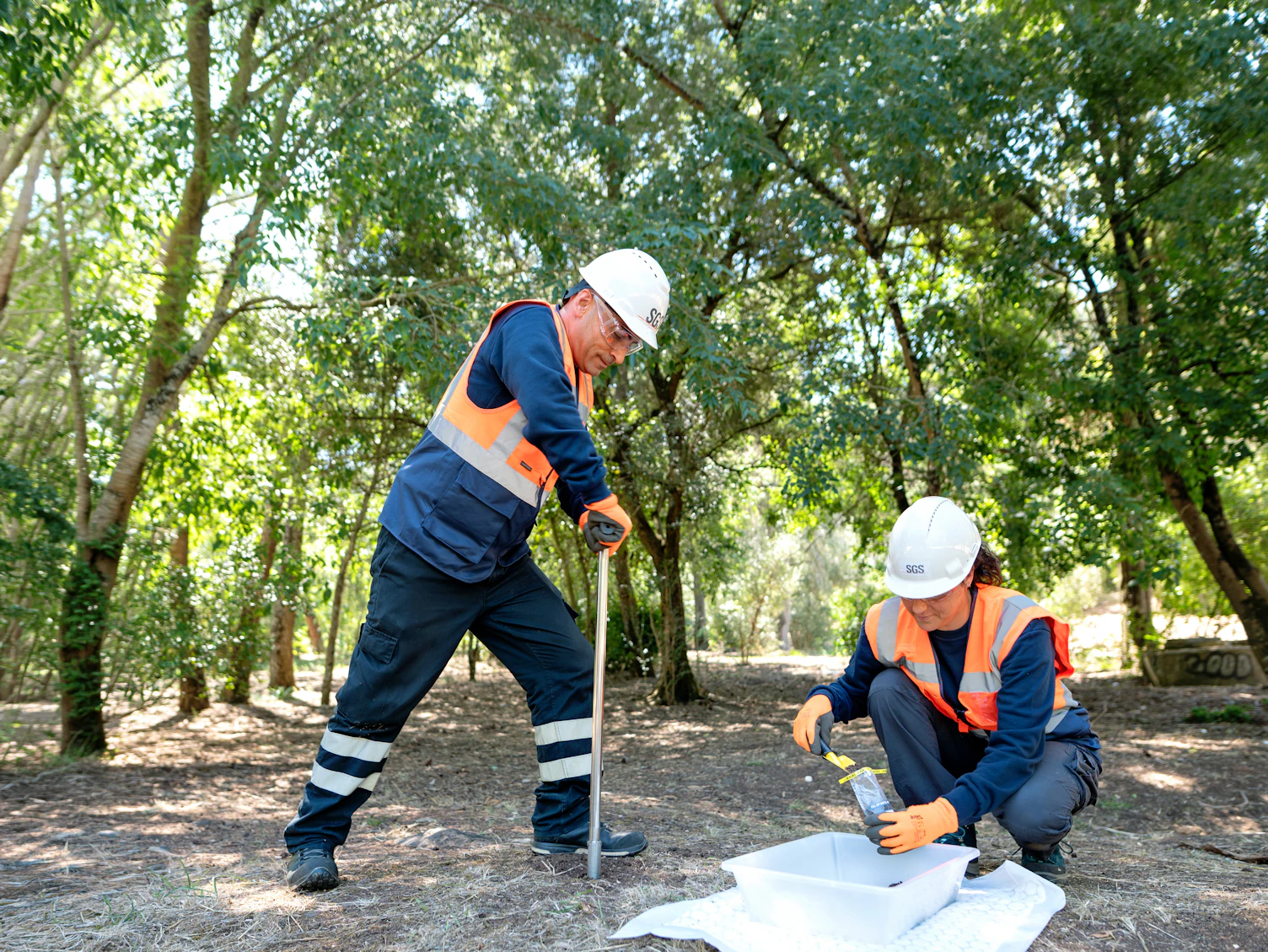
SGS Soil Sampling Lisbon, Portugal Antonio Manuel Mendes and Sara Lopes Pardal

Our services include:

  • Soil sampling, drilling and contaminated land/site investigations
  • Geochemistry and mineralogy for Enhanced Rock Weathering (ERW) projects
  • Soil contaminant testing, including PFAS, metals and hydrocarbons
  • Microplastics in soil analysis
  • eDNA and soil microbiome analysis
  • Soil health, quality and pesticide residue laboratory analysis
  • Soil classification and mapping
  • Environmental fate studies under GLP

Build a reliable baseline that supports compliance, protects land value and enables confident environmental and operational decisions.

Discuss your site and testing requirements with our experts.
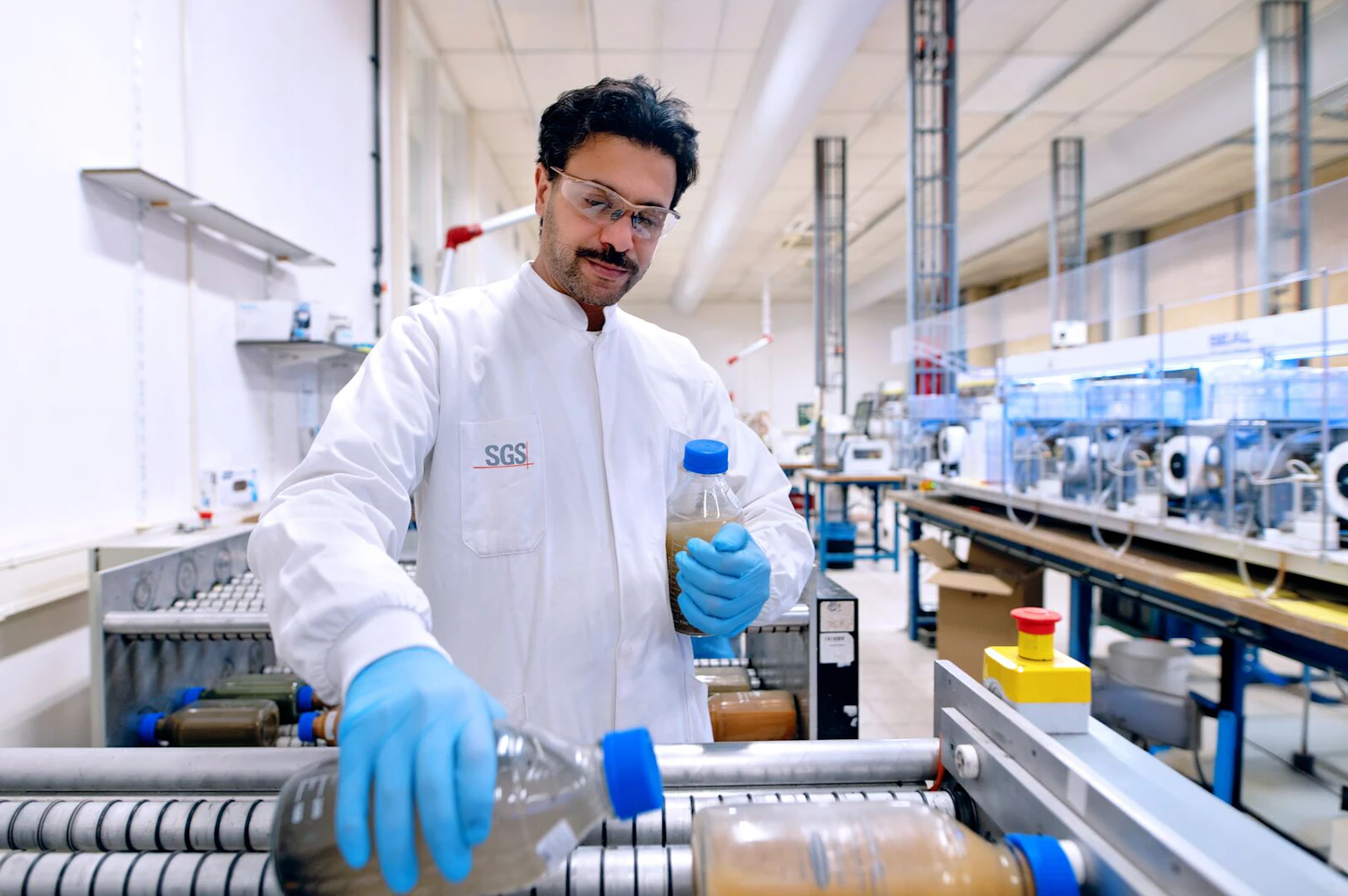
SGS Environmental Analytics Hooglivet, Netherlands 4

How is my soil changing over time?

Soil conditions evolve. Monitoring provides the insights needed to measure change, optimize land management and demonstrate progress toward agricultural and sustainability objectives. From soil health and carbon to remediation and regenerative agriculture, ongoing data helps you make confident decisions as conditions change.

Our services include:

  • Environmental monitoring and risk assessment
  • Soil carbon, health and microbiome monitoring
  • Precision agriculture services
  • Regenerative agriculture monitoring

Understand how your soil is evolving and ensure it remains compliant and aligned with your environmental and sustainability objectives.

Talk to us about building a soil monitoring program.

How do I demonstrate credible soil outcomes?

We provide independent verification services that help organizations assess, validate and communicate soil-related performance in line with recognized frameworks and standards. Our assessments support sustainability reporting, carbon market participation and supply chain assurance by providing objective, third-party verification of data, systems and claims.

SGS Office Employee Istanbul, Turkey

Demonstrate progress with confidence through:

  • Carbon project validation and verification
  • Soil carbon verification
  • Regenerative agriculture verification

If you want to take a step further and certify your farming practices and management systems, we can also provide GLOBALG.A.P. certification.

Measurement, reporting and verification (MRV) sits within this stage, supporting carbon markets, sustainability reporting and evolving environmental protection frameworks.

Whether you are participating in carbon markets, reporting sustainability performance or demonstrating responsible farming practices, independent verification and certification help build confidence in your claims.

Explore soil verification solutions with our team.

Selected by the European Commission’s Joint Research Centre for the EU’s largest soil monitoring program, We are analyzing more than 35,000 soil samples to establish reliable baselines for organic carbon, biodiversity and pollution risks.

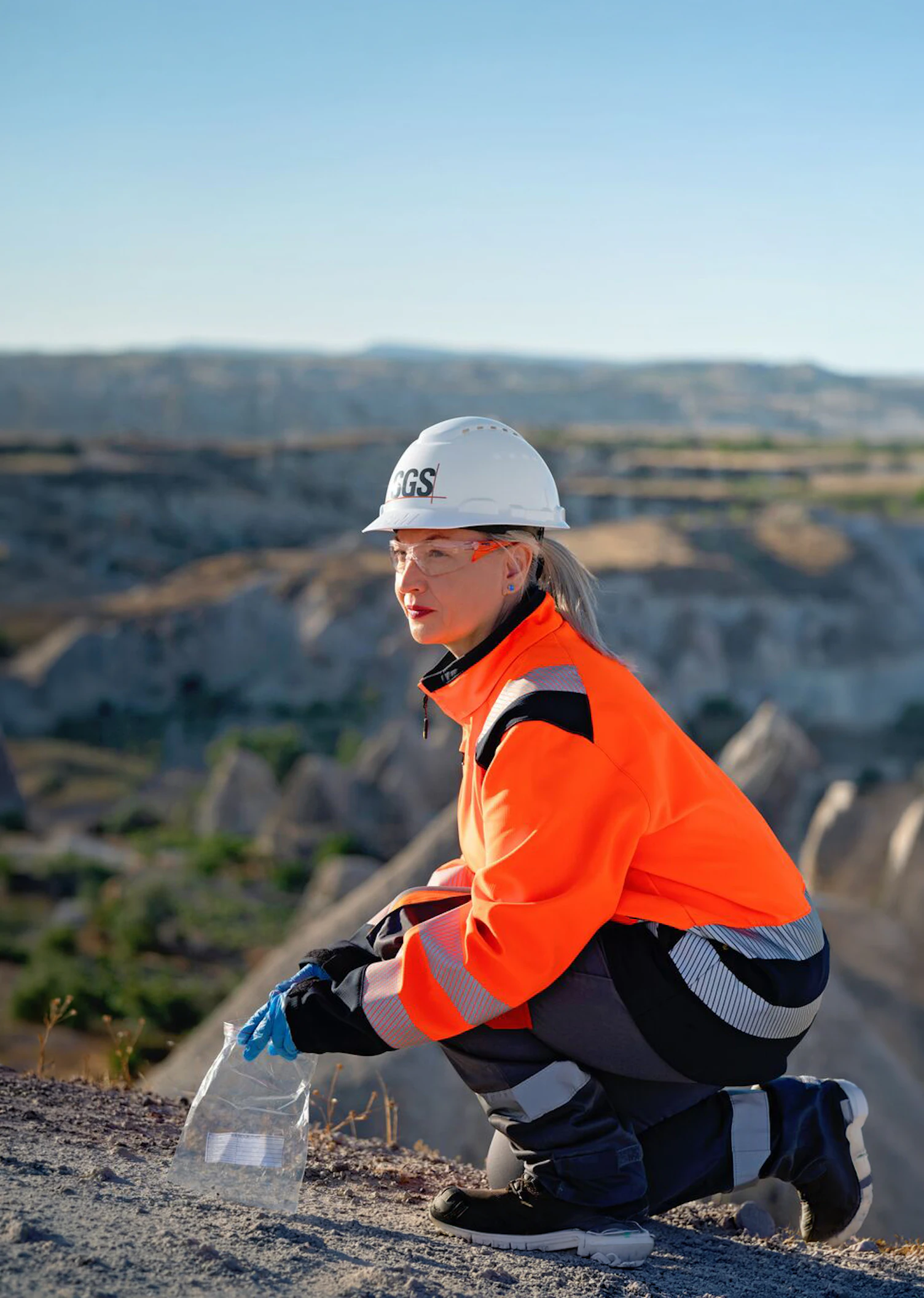
SGS Inspector Soil Sampling Anatolia, Turkey Altinay Bekar 5

Soil carbon services

Soil carbon services help organizations measure, monitor and verify carbon stored in soil to support regenerative agriculture, climate goals and sustainability claims.

Healthy soil is a carbon sink. Establishing how much carbon your soil holds – and how that changes over time – requires physical sampling, laboratory analysis and consistent methodology. We support the full soil carbon pathway:

  • Soil organic carbon testing and baselining
  • Bulk density measurement
  • Soil carbon monitoring over time
  • Enhanced rock weathering support
  • Carbon project validation and verification
  • Value-chain agriculture intervention verification

Digital tools, satellites and modeling are expanding what is possible in soil carbon programs – but credible claims still require ground-truth data. Our laboratory network and field sampling expertise provide the physical validation that anchors digital estimates and independent verification.

With over 20 years of PFAS expertise, we pioneered PFASafe®, the first comprehensive four-step approach to strengthen PFAS monitoring and reveal soil risks beyond standard target lists.

Why SGS?

One integrated approach. One trusted partner.

As the world’s leading testing, inspection and certification company, we combine field investigations, laboratory testing, monitoring, inspection and independent verification within one global network – generating consistent, reliable data from baseline assessment through to sustainability reporting and environmental assurance.

Managing soil health and supporting decarbonization requires more than individual testing services. It requires reliable data, scientific expertise and independent verification working together throughout the entire decision-making process. Whether you are improving agricultural productivity, managing environmental risk, developing land or advancing carbon initiatives, our integrated approach helps you make confident decisions at every stage.

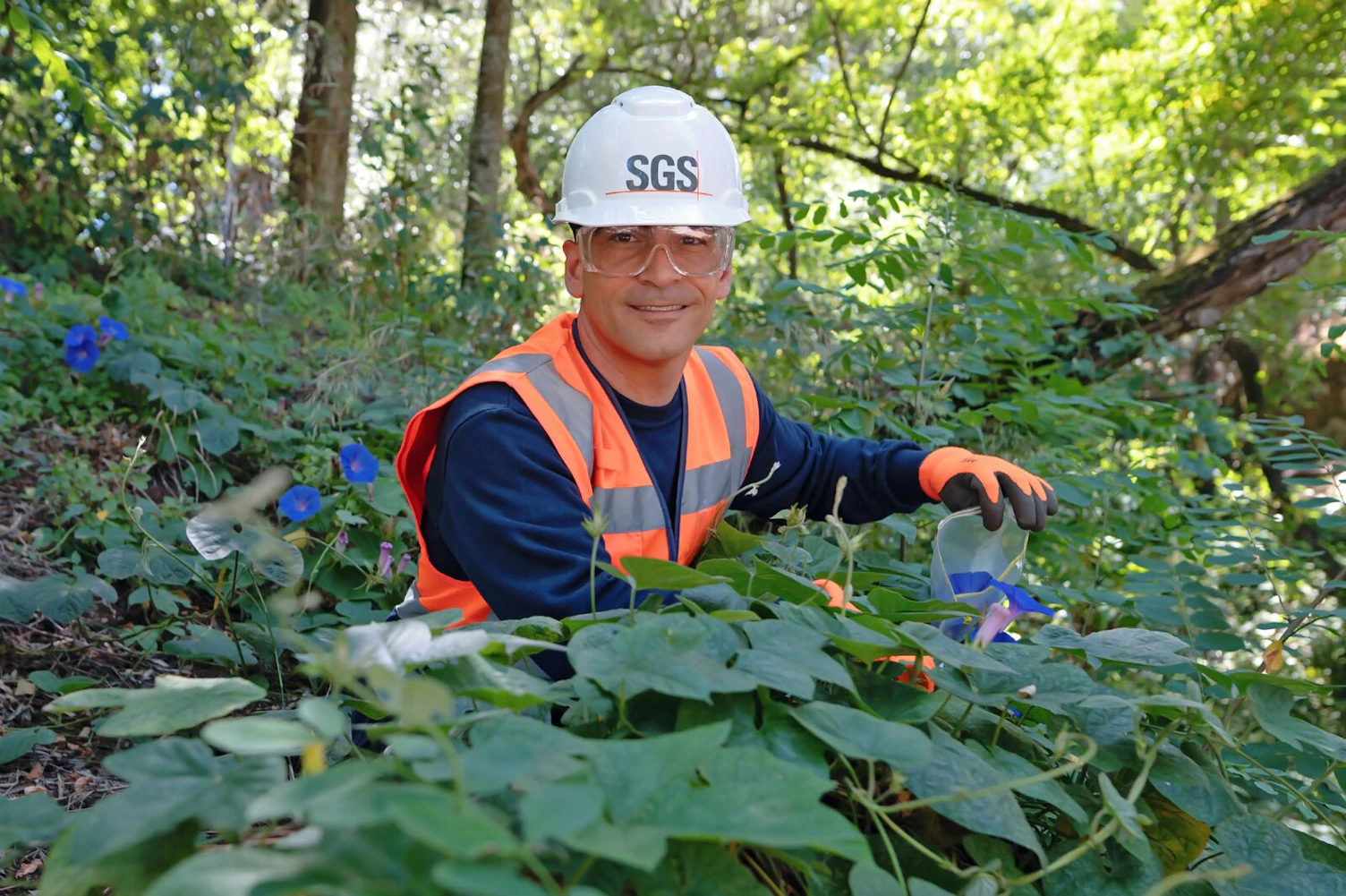
SGS Insect Scan Biodiversity Charaterization Lisbon, Portugal Antonio Manuel Mendes 2

As a Verra-approved Validation and Verification Body, we help ensure that soil and land-based carbon projects deliver credible, transparent and independently verified outcomes.

FAQs

Soil testing establishes the chemical, physical and biological condition of soil. Depending on your objective, this can include nutrient and fertility analysis, pH, contaminant testing (such as PFAS, metals, hydrocarbons, pesticide residues and microplastics), soil organic carbon and microbiome analysis. Contact our experts to define the right testing scope for your site or program.

Regenerative agriculture programs depend on measurable data that practices are improving soil outcomes. Baseline testing establishes the starting condition, monitoring tracks change over time and independent verification substantiates the claims made about those changes. Talk to us about supporting your regenerative agriculture program with trusted data.

Soil carbon is measured through physical sampling and laboratory analysis of soil organic carbon, combined with bulk density measurement to convert concentrations into carbon stocks per unit of land. Repeated measurement over time shows whether carbon is being gained or lost. Contact us to discuss soil carbon baselining and monitoring.

Bulk density describes the mass of soil in a given volume. Without it, a carbon concentration cannot be converted into a total carbon stock – the figure that carbon programs, registries and reporting frameworks require. Ask our experts how bulk density fits into your soil carbon methodology.

No. Remote sensing and modeling can estimate soil properties at scale, but soil carbon and sustainability claims still require physical sampling, laboratory data and independent verification to be credible. The two approaches work best together: digital tools provide coverage and physical testing provides ground truth. Contact us to discuss combining both in your program.

Independent verification helps demonstrate that claims are supported by robust data, recognized methodologies and objective assessment. We provide third-party validation and verification services for soil carbon projects and regenerative agriculture initiatives, helping you communicate achievements with greater credibility and confidence. Speak to our verification team about your requirements.

PFAS and heavy metals persist in soil and can affect land use, regulatory compliance and site value. Laboratory testing identifies whether these contaminants are present and at what concentrations, providing the insights needed to assess risk, plan remediation and meet regulatory obligations. Contact our experts to scope contaminant testing for your site.

Testing establishes soil condition at a point in time. Monitoring repeats measurement to track change. Verification is the independent validation of soil data and claims by an independent third party – the basis of measurement, reporting and verification (MRV) requirements. Together they form the soil lifecycle: understand, monitor, verify. Contact us to find your starting point.

News & Insights

  • SGS - Spain - Madrid

Calle Trespaderne, 29, 3ª planta,

28042,

Madrid, Madrid, Spain