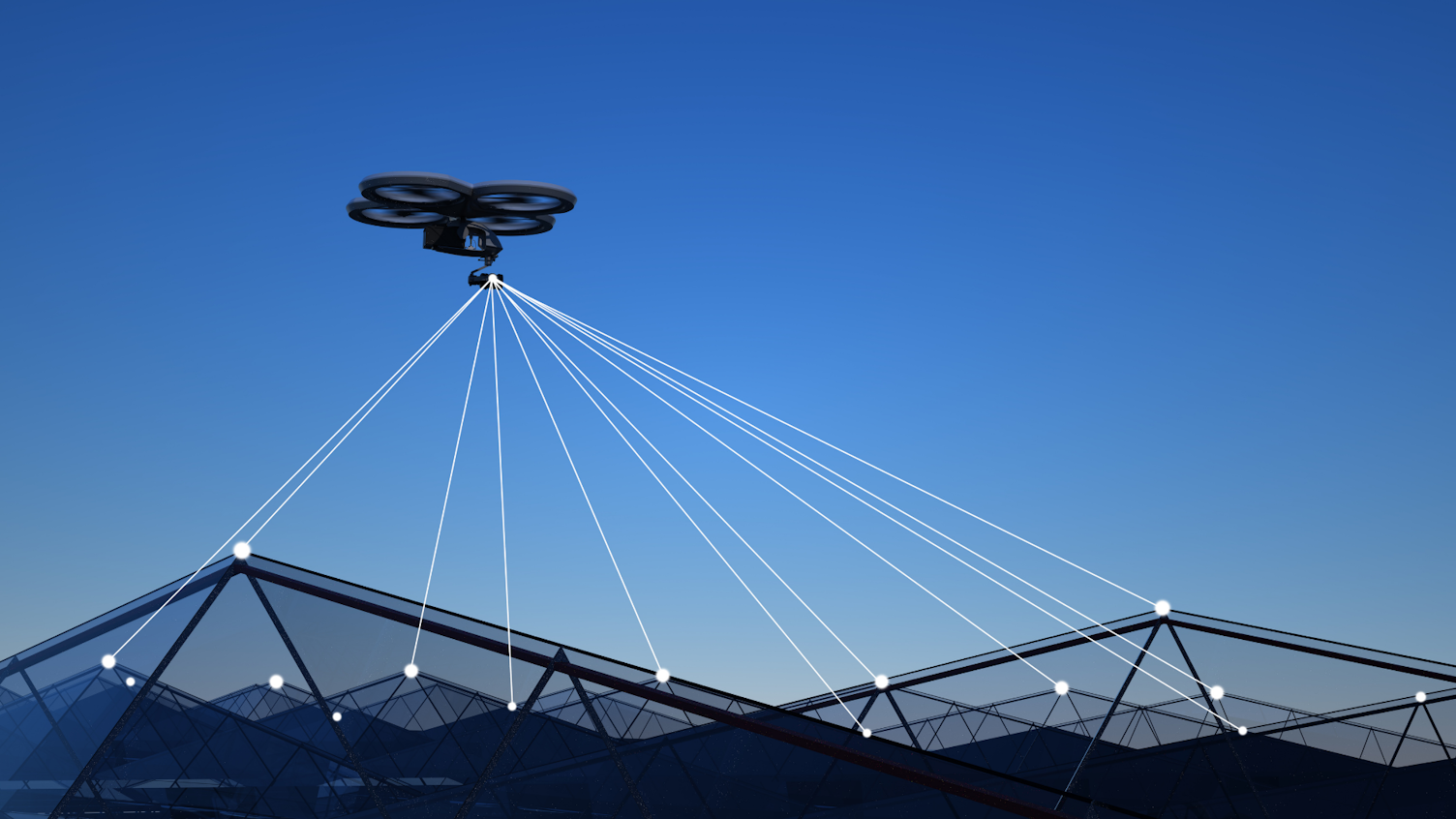
The inspection of wind turbines, and in particular blades, is a critical activity within the maintenance of wind turbines.
The blades are exposed to extreme conditions of wind, dust, humidity and electric shock, which directly impacts the efficiency of the park.
Traditional vs. New Technologies Inspection
Historically, blade inspection was carried out with technicians working at height using rope access.
This method has clear limitations:
- Increased risk to staff
- More technicians involved
- Wind Speed Restrictions
- High costs
In many wind farms in Latin America, this led to inspections only when there are already obvious signs, and as a preventive inspection.
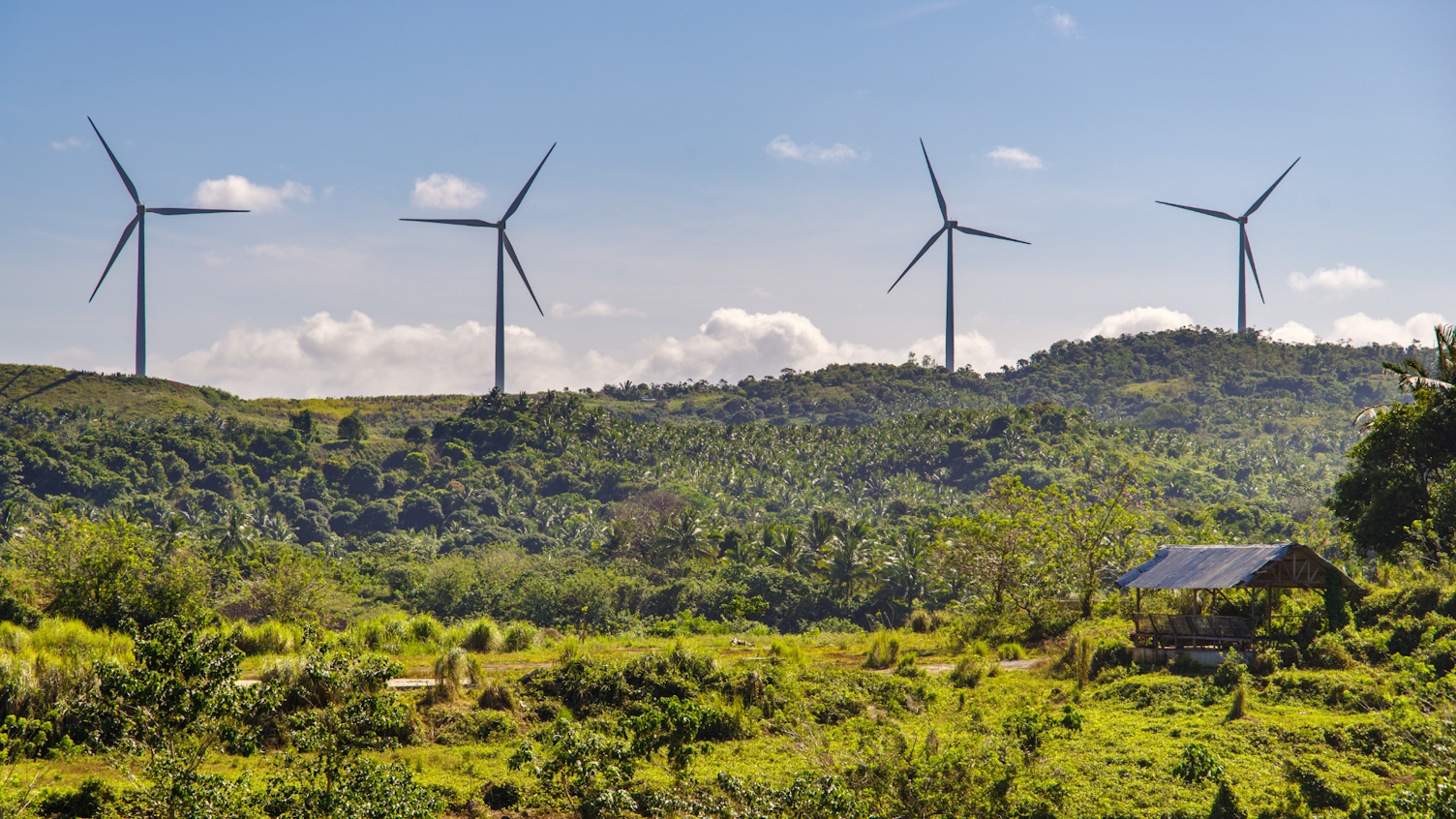
Drone inspection in wind farms
The incorporation of specialized drones allows wind turbine inspections to be carried out faster, safer and more efficiently:
- Complete inspection of all three blades in a single day
- Fewer field staff Significant cost reduction
- Less exposure to work at height
- This technology facilitates more frequent inspections, reinforcing the preventive approach to wind O&M.
Artificial Intelligence applied to wind monitoring
The real differential arises when combining drones with analysis software and artificial intelligence. AI makes it possible to:
- Detect microcracks, erosion, and impact damage
- Classify defects according to criticality
- Compare the condition of the blade over time
- Prioritizing interventions before major failures
In economic terms, these technologies can reduce the cost of inspection by up to 80% compared to traditional methods, which represents a direct benefit for wind farm owners in LATAM.
Safety and operational efficiency
In addition to savings, the main advantage is safety. Fewer technicians exposed to work at height means fewer operational risks and greater business continuity.
In regions with high climate variability, such as many wind zones in Latin America, drones allow operating even when conditions are not suitable for manual work.
FAQs
Q: What are the advantages of drone inspection?
A: Reduces costs, time and risks in wind turbine inspection.
Q: How does AI help in wind energy?
A: It allows data to be analysed and defects to be detected in a predictive way.
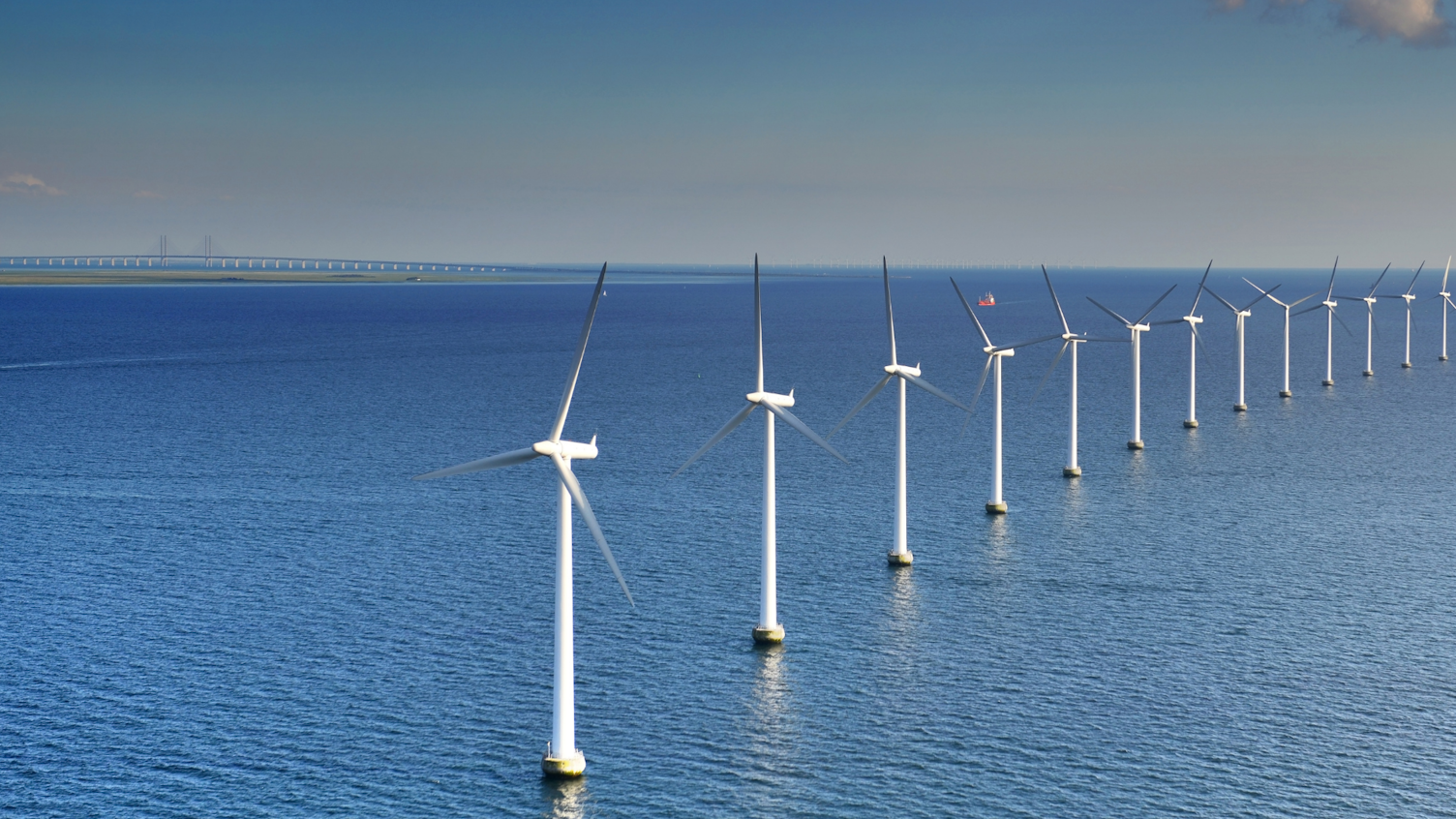
About SGS
SGS is the world’s leading Testing, Inspection and Certification company. We operate a network of over 2,500 laboratories and business facilities across 115 countries, supported by a team of 99,500 dedicated professionals. With over 145 years of service excellence, we combine the precision and accuracy that define Swiss companies to help organizations achieve the highest standards of quality, compliance and sustainability.
Our brand promise – when you need to be sure – underscores our commitment to trust, integrity and reliability, enabling businesses to thrive with confidence. We proudly deliver our expert services through the SGS name and trusted specialized brands, including Brightsight, Bluesign, Maine Pointe and Nutrasource.
SGS is publicly traded on the SIX Swiss Exchange under the ticker symbol SGSN (ISIN CH1256740924, Reuters SGSN.S, Bloomberg SGSN:SW).
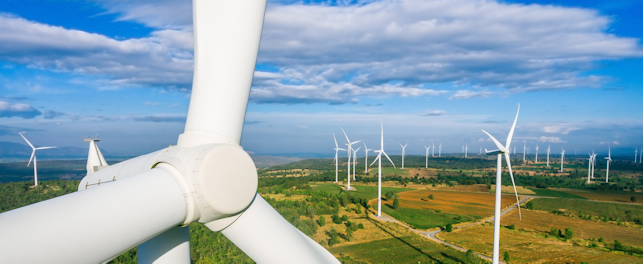
Av. De las Américas, Centro de Convenciones, empresarial 2 oficina 6,
090505,
Guayaquil, Ecuador