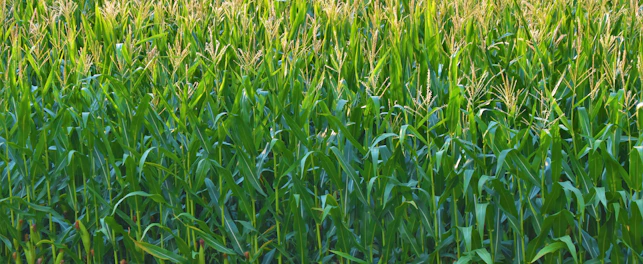
Across maize supply chains, mycotoxins remain a persistent challenge for the agricultural commodities industry. Influenced by factors such as weather, crop development, location and storage conditions, contamination levels can change quickly, making it difficult to fully assess the wider picture from isolated test results alone.
Through our European Mycotoxins Monitoring Program, we can provide a broader view of how conditions are developing and help buyers, traders, processors and quality teams make more informed decisions as maize moves from field to harvest, storage and into the supply chain.
Why does mycotoxin risk change during the season?
Mycotoxins are naturally occurring toxins produced by certain molds that can develop on crops. If not effectively monitored and managed, mycotoxin contamination can present potential health risks to consumers, while also affecting regulatory compliance and commercial value.
The period around harvest is particularly important, as contamination levels can change quickly as crops mature. At the same time, important decisions are being made around sourcing, segregation, storage and market suitability. Following harvest, monitoring can remain relevant, as storage conditions may influence fungal growth and further mycotoxin development. This is where representative sampling becomes particularly important.
Moving beyond one-off testing
Laboratory analysis is essential for determining the presence and concentration of mycotoxins. Methods such as enzyme-linked immunosorbent assay (ELISA) and LC-MS/MS can be used to detect and quantify key mycotoxins, including aflatoxins, ochratoxin A, deoxynivalenol (DON), zearalenone, fumonisins, T-2 and HT-2 toxins.
While individual testing provides valuable insight, it only captures conditions at a specific time and location. Representative sampling across a wider area and throughout the season can therefore provide a more complete picture.
As Magdalena Retz, Global Agriculture Technical Governance Manager, explains: “Individual testing tells us what is happening in a particular sample, while seasonal monitoring helps us understand how the wider risk picture is changing.”
By conducting regional monitoring, we add another layer of information that helps show how contamination patterns are developing across locations and throughout the season.
Monitoring mycotoxin risk across Europe
Our European Mycotoxin Monitoring Program follows maize from pre-harvest to harvest and storage across key producing regions, including Bulgaria, Croatia, the Czech Republic, France, Hungary, Poland, Romania, Serbia and Slovakia.
During the harvest period, geo-located samples are collected and tested to provide an early picture of emerging risk. As the season progresses, we expand the dataset through representative regional sampling, with results accumulated and incorporated into the final reporting. Each result is geo-referenced and tested according to relevant ISO standards.
This broader dataset helps identify regional and seasonal trends that may not be apparent from individual test results alone, supporting more informed decisions around sourcing, additional testing, segregation, storage and intended market use.
Participants in our program receive weekly reports with country-specific risk information, as well as real-time alerts when critical toxin levels are detected. This provides timely information to support risk mitigation and more informed food and feed quality and safety decisions.
Although mycotoxin contamination cannot be eliminated through monitoring alone, access to timely regional data can help organizations identify changing conditions earlier and respond more appropriately. By combining representative sampling, laboratory analysis and seasonal monitoring, we help customers manage mycotoxin risk more effectively across agricultural commodity supply chains in Europe.