As energy markets continue to evolve across the Caspian and Central Asia region, the importance of transparency, operational discipline and independent verification has never been greater. These themes were at the center of discussions during the 2nd Caspian and Central Asia Oil Trade and Logistics Forum in Baku, where industry leaders gathered to examine the realities shaping today’s trading environment.
Representing SGS, Suat Kaya, Managing Director of SGS Azerbaijan, delivered a presentation focused on one of the most critical yet often underestimated aspects of the energy supply chain: what happens when cargo custody and accountability transfer between stakeholders.
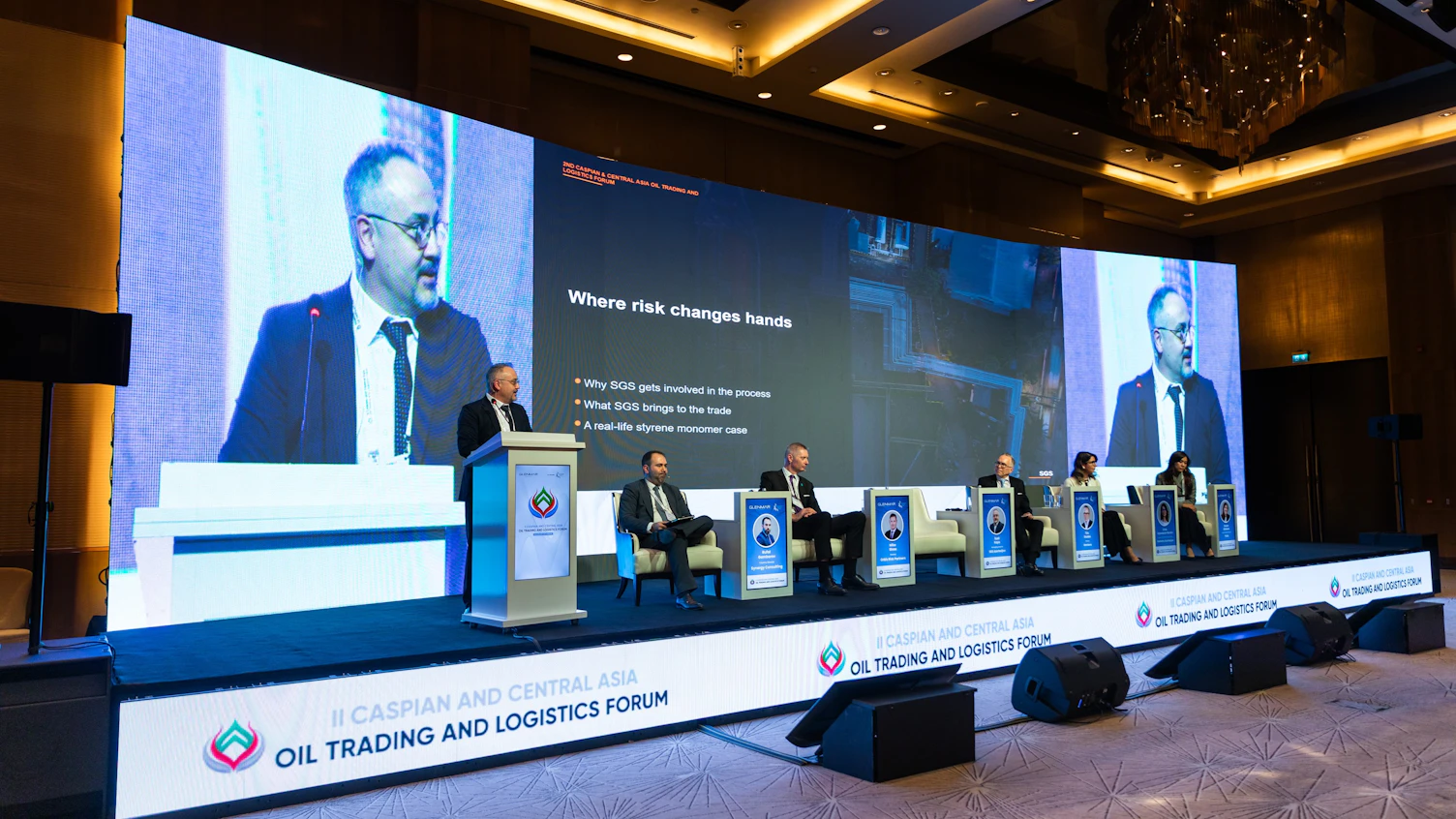
Where Risk Truly Exists
In oil trading and logistics, risk is not limited to pricing, contracts or market volatility. Significant exposure exists at operational interfaces: loading, transfer, storage, discharge and final delivery. At each stage, ownership and accountability shift between parties, creating opportunities for quantity discrepancies, quality deviations and documentation gaps.
During the forum, SGS highlighted how independent inspection and verification help maintain confidence across the entire supply chain. The discussion emphasized that inspection is not simply a procedural requirement; it is a mechanism that protects the credibility of trade itself.
By providing independent quantity and quality control, technical inspections, sampling, laboratory analysis and claims support, SGS helps counterparties operate with greater confidence in increasingly complex logistics environments.
Beyond Measurement: Building Trust Between Parties
One of the key messages shared during the presentation was that effective inspection goes far beyond issuing certificates or laboratory results. In high-pressure trading environments, counterparties require reliable technical judgment, consistent methodologies and the ability to respond rapidly when unexpected situations emerge.
SGS discussed the importance of maintaining consistent control standards at both loading and discharge locations, ensuring that operational decisions are supported by credible evidence rather than assumptions. This consistency becomes especially valuable when disputes arise or when cargo conditions change during transit and storage.
The forum also provided an opportunity to exchange perspectives with industry peers on how inspection practices must evolve alongside changing trade corridors, growing logistical complexity and increasing expectations around operational transparency.
A Real-World Lesson in Operational Discipline
To illustrate the practical consequences of weakened controls, SGS shared a real-life styrene monomer case involving multiple buyers and inspection companies.
The case demonstrated how routine assumptions and incomplete sampling procedures allowed a serious quality issue to go undetected during cargo inspection. Although documentation initially appeared compliant, some cargo tanks undergoing polymerization had not been properly sampled. The issue only became visible downstream, after the product had already entered customer operations.
The consequences were significant: thousands of metric tons of contaminated product, major commercial losses and elevated operational safety risks involving a highly flammable and toxic cargo.
The example reinforced an important industry lesson: routine can create blind spots. When processes become overly familiar, verification risks becoming formal rather than protective.
Human Factors Matter
Another important discussion point focused on the role of human factors in operational failures. Technical systems alone cannot guarantee reliable inspection outcomes if inspectors operate under excessive workload, insufficient training or inadequate operational support.
The presentation emphasized that strong inspection systems must be designed for real-world operating conditions, not ideal scenarios. Maintaining quality and safety standards requires investment not only in technical capability, but also in people, training and operational discipline.
Supporting Safe and Efficient Trade
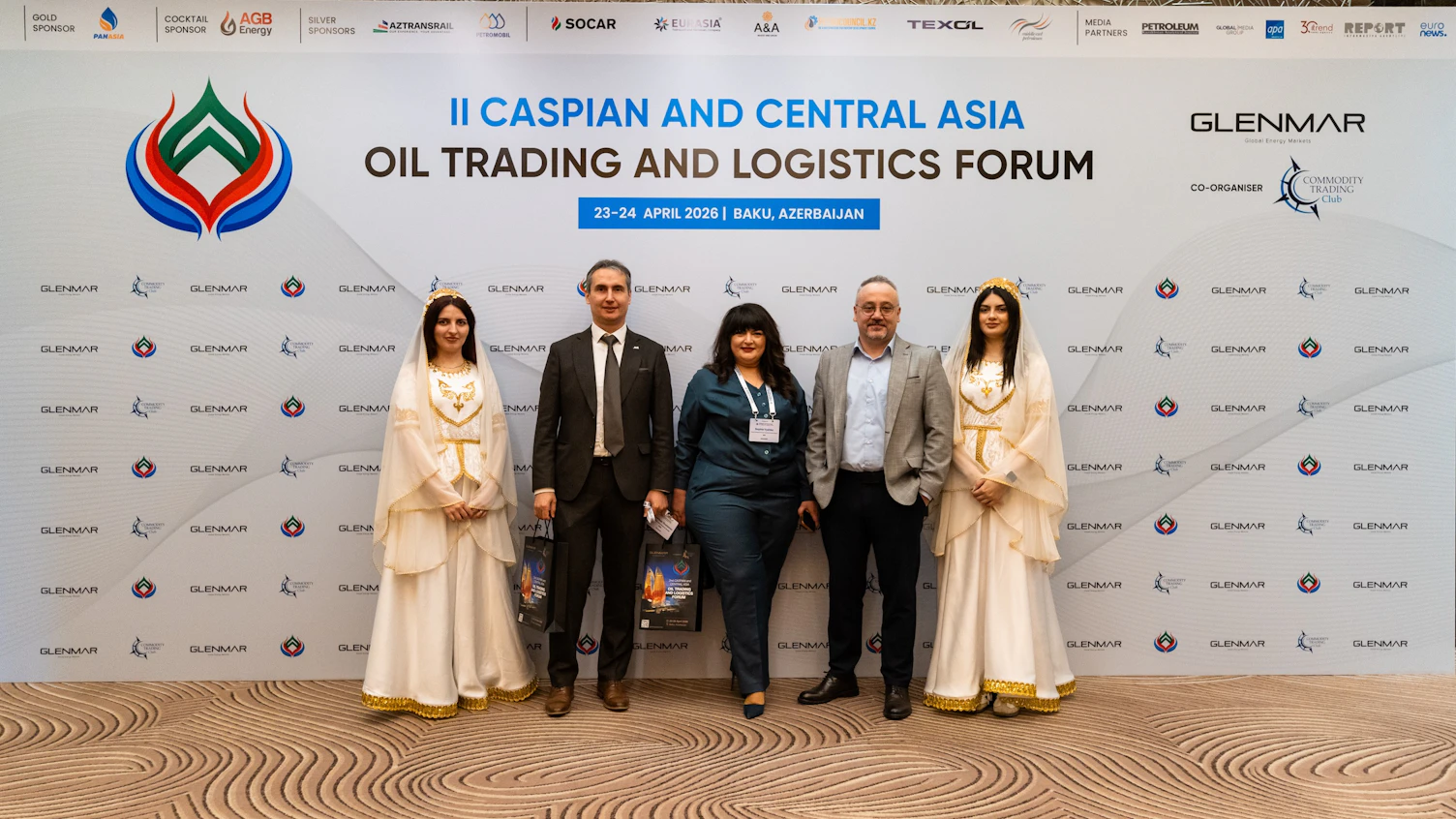
Participation in the forum allowed SGS to contribute to broader industry conversations around safer, more transparent and more efficient energy trading practices across the region.
As trade corridors continue to expand and supply chains become increasingly interconnected, independent verification remains a critical control point between counterparties. In complex trading environments, confidence is built not only through contracts, but through reliable operational control and trusted technical expertise.
SGS remains committed to supporting the energy sector with independent inspection, testing and verification services that help protect trust, reduce operational risk and strengthen confidence across the global supply chain.
For more information about SGS's services, please contact us via web-form.
About SGS
SGS is the world’s leading Testing, Inspection and Certification company. We operate a network of over 2,500 laboratories and business facilities across 115 countries, supported by a team of over 100,000 dedicated professionals. With more than 145 years of service excellence, we combine the precision and accuracy that define Swiss companies to help organizations achieve the highest standards of quality, compliance and sustainability.
Our brand promise – when you need to be sure – underscores our commitment to trust, integrity and reliability, enabling businesses to thrive with confidence. We proudly deliver our expert services through the SGS name and a portfolio of trusted specialized brands, including Applied Technical Services, Brightsight, Bluesign and Nutrasource.
SGS is publicly traded on the SIX Swiss Exchange under the ticker symbol SGSN (ISIN CH1256740924, Reuters SGSN.S, Bloomberg SGSN SW).